
Invaio Sciences is preparing to take its peptide-based crop protection technology into the regulatory phase, with its first registration application planned in Brazil in early 2027, followed by a US submission later in the year. The company is targeting a portfolio of four to five products by 2030 or 2031, focusing on plant diseases that are difficult to manage and increasingly resistant to existing treatments.
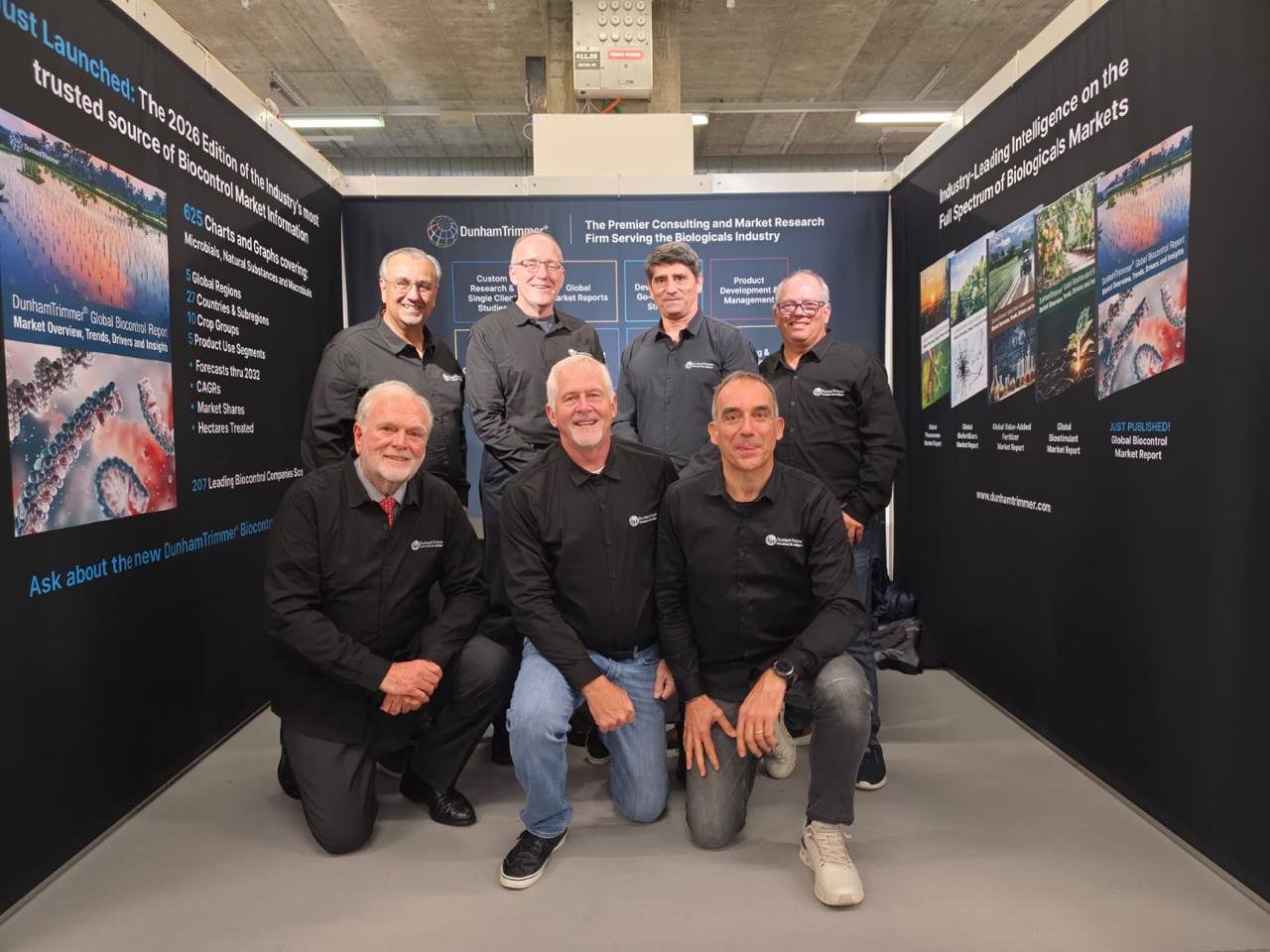
Chris Judd, Invaio’s chief commercial officer, outlined the development pipeline and commercial strategy at the Annual Biocontrol Industry Meeting (ABIM 2026), held in Basel, Switzerland, from October 20 to 22.
The lead product is being developed against Botrytis and downy mildew in high-value crops, including strawberries. In parallel, the company is exploring applications of its peptide technology across other crop-disease combinations, with Asian soybean rust and citrus greening among its priorities in Brazil.
Rather than establish an independent sales and distribution network, Invaio intends to commercialise its products through partnerships with companies that already have relationships with farmers. The approach is designed to place the technology within established crop protection programmes, rather than require growers to adopt an entirely new system.
“We want to work with the people who are already serving growers and bring them our technology,” Judd said. He added that the objective was not to displace conventional crop protection products or biologicals, but to give farmers another option within their existing toolkit.
Peptides target the resistance challenge
The development programme addresses a persistent problem for the crop protection industry: the diminishing effectiveness of existing products as pathogens and pests develop resistance, alongside the long timelines associated with bringing new modes of action to market.
According to Judd, peptide-based technologies could offer a more targeted route to product development, with Invaio aiming for a development cycle of around five years. That compares with the 11–12 years he cited for more traditional crop protection innovation.
The company’s proposition is to introduce additional modes of action into established disease-management programmes. Used alongside existing chemistry and microbial biologicals, peptide products could expand the range of tools available to growers and support resistance-management strategies.
Invaio also sees a potential performance advantage over some microbial products. Unlike living microorganisms, peptides do not depend on maintaining a living biological agent, which can make their activity less vulnerable to environmental conditions that affect certain microbial formulations.
“We tend to describe it as the performance of conventional products with the benefits of biologicals,” Judd said.
The commercial opportunity, however, will depend on how these technologies perform under field conditions, their cost to growers and the ability to secure registrations in individual markets. Invaio’s strategy is to develop products that can be incorporated into existing programmes without requiring farmers to overhaul their crop protection practices.
Brazil anchors the development strategy
Brazil is a central market for Invaio as it advances applications for diseases with significant agricultural and economic consequences. Judd said that, despite difficult market conditions, growers continue to seek crop protection solutions that combine efficacy with affordability.
Asian soybean rust is one of the company’s priority targets. The disease poses a major challenge to Brazilian soybean production, where fungicide resistance has increased the importance of combining different modes of action. Judd argued that continued innovation will be necessary to sustain disease control as resistance erodes the effectiveness of existing options.
A peptide-based product could potentially be added to established fungicide programmes to introduce another mode of action and improve control, subject to product performance and regulatory approval.
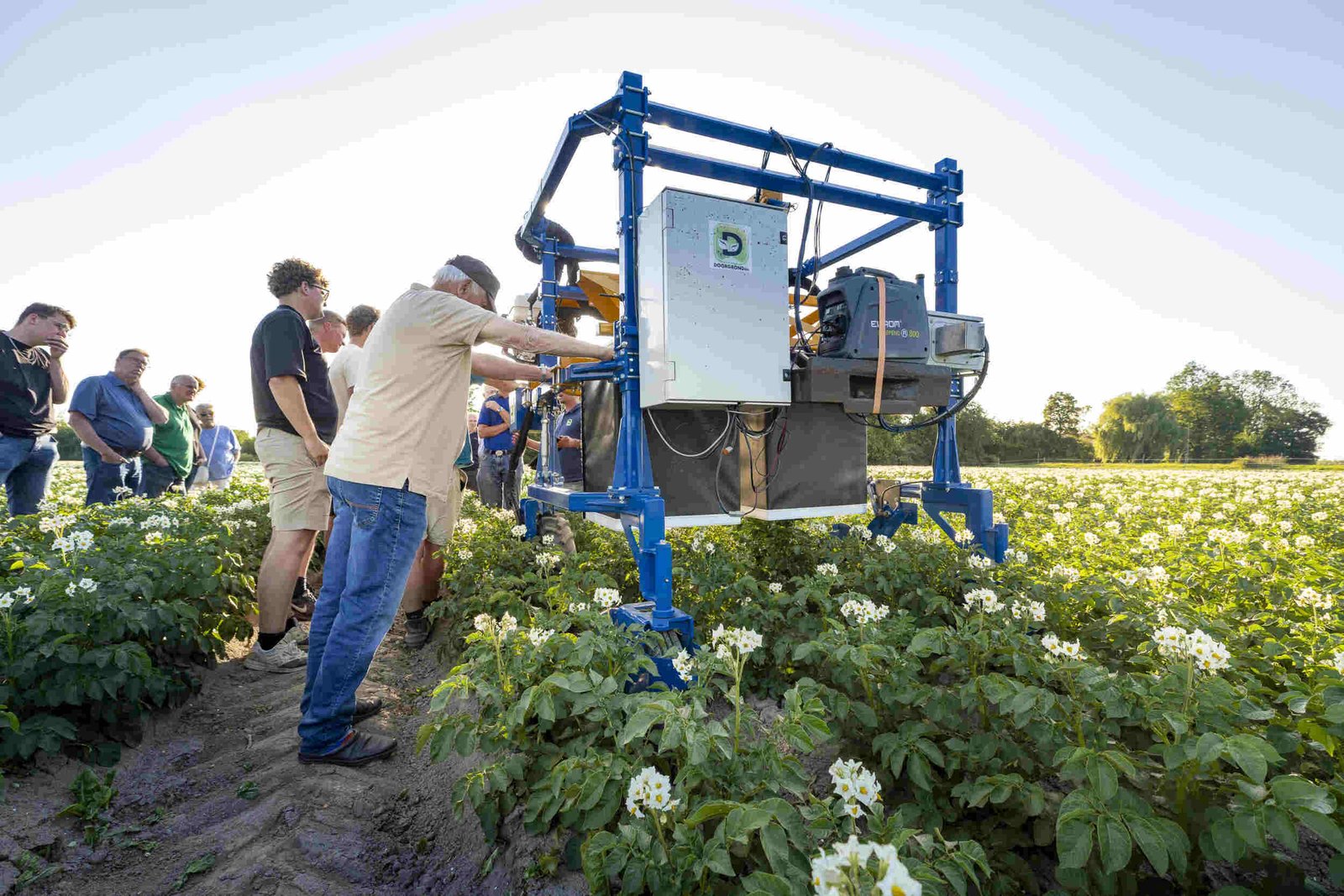
Citrus greening, or huanglongbing (HLB), represents a different application. Invaio is developing antibacterial peptides intended to be delivered through its precision injection system, with the aim of targeting the disease from within the plant.
This work reflects the company’s broader approach of combining targeted biological science with precision delivery technology. Rather than relying on a single platform for every agricultural challenge, Invaio is pursuing applications where a specific active technology and delivery method could address difficult-to-control diseases.
Partnerships will shape commercialisation
The planned registration filings mark an important step towards commercialisation, but regulatory approval and market adoption remain key milestones. Invaio’s reliance on established industry partners is intended to help it reach growers through existing distribution channels and crop protection programmes.
The company’s longer-term target is to bring four to five novel peptide products to market by 2030 or 2031. Its ability to achieve that goal will depend on progress across development, registration and commercial partnerships, as well as demonstrating that the technology delivers consistent value in the field.
For an industry under pressure to preserve the effectiveness of existing crop protection tools while developing alternatives, peptide-based products could offer another avenue for innovation. Invaio is betting that targeted design, potentially shorter development timelines and integration with established crop protection systems can help turn that opportunity into a commercial portfolio.