China is advancing a large-scale sustainable aviation fuel (SAF) project in Hainan Province, where a 1.2 billion yuan (€145 million) investment is supporting the development of a facility designed to produce up to 300,000 tonnes of renewable fuel annually.
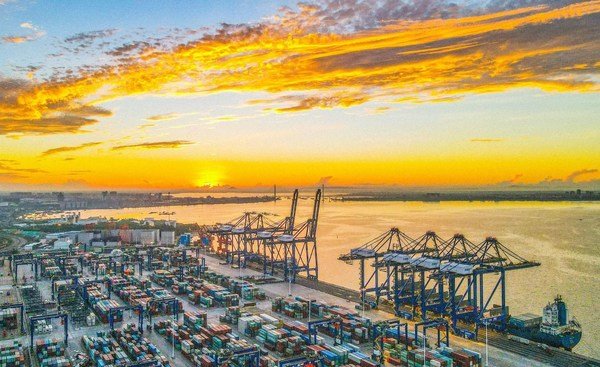
The plant, owned by Hainan Eco Prime, is being built at Yangpu Port within the Hainan Economic Development Zone on the island’s north-western coast. Designed to convert food waste into SAF, the project aims to position Hainan as a supplier of lower-carbon aviation fuels to international markets.
Construction is reportedly progressing according to schedule, with major underground pipeline works and core infrastructure completed. Current work is focused on building fit-outs and equipment installation. The project is expected to undergo pre-start-up safety inspections by the end of 2026, followed by equipment commissioning and trial operations.
The facility will incorporate several supporting industrial systems alongside its renewable fuel production infrastructure. According to Zhang Zhilong, deputy general manager of the Eco Prime holding company, the site will include hydrogen production units designed to generate 2,000 normal cubic metres per hour using light hydrocarbons.
Additional infrastructure will include sulphur recovery facilities, specialised storage tanks and dedicated systems for loading and unloading materials. These components are intended to support the plant’s processing and logistics requirements as it moves towards operational readiness.
Hainan Eco Prime estimates that the facility could reduce carbon dioxide emissions by more than 400,000 tonnes annually once fully operational. The eventual climate benefit will depend on the plant’s actual output, feedstock sourcing, production processes and the lifecycle emissions of the fuel compared with conventional jet fuel.
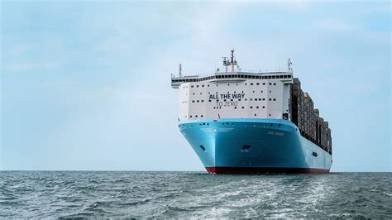
The project is also aligned with Hainan’s efforts to strengthen its position as an international manufacturing and export hub. The province’s free-trade port policies and maritime connectivity are expected to support the movement of renewable fuels to overseas customers.
Yangpu Port provides shipping links to markets across Southeast Asia, the Middle East, Oceania and the Americas. These connections could help the facility serve international aviation fuel markets, including Europe, where demand for SAF is being shaped by emissions-reduction commitments and regulatory requirements.
However, access to export markets will depend on more than production capacity and port infrastructure. The plant will also need to meet applicable fuel-quality specifications, sustainability certification requirements and destination-market rules governing eligible feedstocks and lifecycle emissions.
The Hainan project comes as the global aviation industry seeks to expand SAF supply while overcoming constraints related to feedstock availability, production costs and infrastructure. Converting food waste into aviation fuel offers a potential route to valorise waste streams, although commercial performance and sustainability credentials will ultimately depend on the plant’s operating results.
With construction moving towards commissioning, Hainan Eco Prime’s project represents a significant planned addition to China’s renewable fuel infrastructure. Its longer-term importance will rest on whether the facility can achieve its targeted output, demonstrate credible emissions reductions and establish dependable access to international SAF markets.