
Biofuels Partners (BFP) has entered into a collaboration agreement with China-based Jianglan Bio-Energy to explore commercial opportunities across used cooking oil (UCO), hydrotreated vegetable oil (HVO) and sustainable aviation fuel (SAF), reflecting the growing importance of feedstock security and traceability in renewable fuel markets.
The agreement establishes a framework for cooperation across the renewable fuels value chain, including used cooking oil procurement, HVO and SAF offtake, sustainability certification and broader commercial partnerships. The companies have identified transparent sourcing, documented supply chains and independently verified sustainability credentials as central principles of their collaboration. Jianglan Bio-Energy brings expertise in UCO collection and an integrated operating model spanning feedstock sourcing, pretreatment and renewable fuel production. Its ongoing industrial development includes a UCO pretreatment facility with an annual capacity of 300,000 tonnes and a new HVO-SAF plant designed to process 300,000 tonnes annually.
The new facility incorporates pretreatment technology supplied by European engineering company Desmet and Topsoe’s HydroFlex processing technology. The infrastructure is intended to support the conversion of eligible feedstocks into renewable fuels, positioning Jianglan to participate in markets where demand for lower-carbon alternatives is expanding. Under the agreement, BFP will contribute capabilities in feedstock sourcing, strategic advisory, sustainability certification and market development. The companies will explore ways to connect these capabilities with Jianglan’s collection and processing operations, although the agreement does not, by itself, establish specific supply volumes or binding fuel offtake commitments.
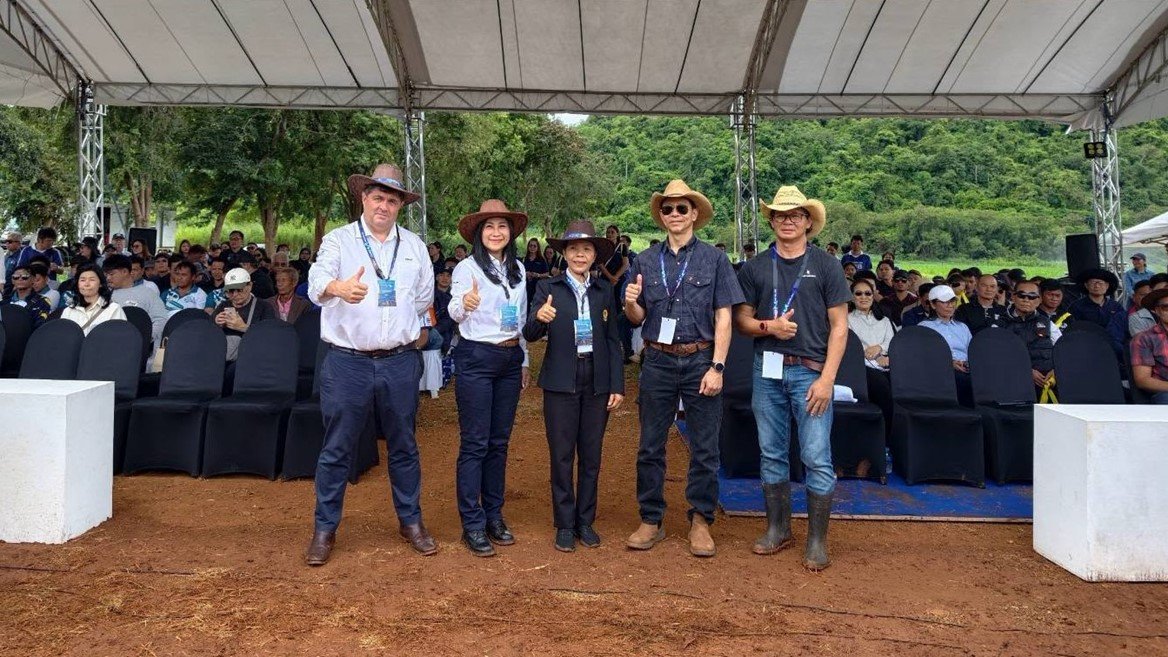
Feedstock traceability is a critical consideration for the proposed cooperation. Used cooking oil is an important raw material for renewable diesel and HEFA-based SAF, but its sustainability credentials depend on verifiable origin, reliable collection records and robust chain-of-custody controls. These safeguards are increasingly important as renewable fuel producers seek to demonstrate compliance with market-specific sustainability requirements. The companies’ collaboration was reinforced at the Global SAF Market & Sustainability Certification Summit in Zhoushan, China. During the event, BFP representatives met Jianglan’s leadership team and visited the company’s new HVO-SAF facility.
The engagement comes as China develops its domestic framework for renewable fuel sustainability and traceability, with a focus on tracking feedstocks from collection through processing and fuel use. Such systems could play an important role in strengthening market confidence and demonstrating the provenance of renewable fuels across increasingly complex international supply chains. For renewable fuel producers and feedstock suppliers, the commercial opportunity extends beyond expanding processing capacity. Access to reliable raw materials, credible sustainability documentation and established international market relationships will influence the ability to compete in the HVO and SAF sectors.
The BFP-Jianglan agreement brings together feedstock sourcing and market development expertise with an integrated collection and processing model. Its commercial significance will ultimately depend on the extent to which the companies translate the framework into verifiable supply arrangements, fuel offtake and sustained cross-border cooperation.