
Indonesia is laying the groundwork for a substantial expansion of its bioethanol industry, with plans to eventually blend ethanol into petrol at a rate of 50 per cent as part of efforts to reduce fuel import dependence and strengthen energy security.
The proposed E50 programme forms part of a broader push by President Prabowo Subianto’s administration to increase the contribution of domestically produced biofuels to the country’s transport energy mix. The initiative builds on Indonesia’s B50 biodiesel programme and signals a growing policy focus on renewable fuels produced from agricultural feedstocks.
Energy and Mineral Resources Minister Bahlil Lahadalia has said the president has directed the National Energy Council to prepare a roadmap for the proposed E50 transition. The target would require petrol containing 50 per cent ethanol, creating a significant new source of demand for domestic bioethanol producers.
Indonesia consumes approximately 39–40 million kilolitres of petrol annually, according to figures cited by the energy ministry. Expanding ethanol blending could help displace a portion of conventional petrol consumption, reduce exposure to international fuel market volatility and create a larger domestic market for agricultural feedstocks and ethanol processing.
The transition is expected to proceed in phases, beginning with an E10 blend in 2027, followed by E20 before the country moves towards its longer-term E50 ambition. The pace of implementation will depend on the expansion of domestic production capacity and the development of a reliable feedstock supply chain.
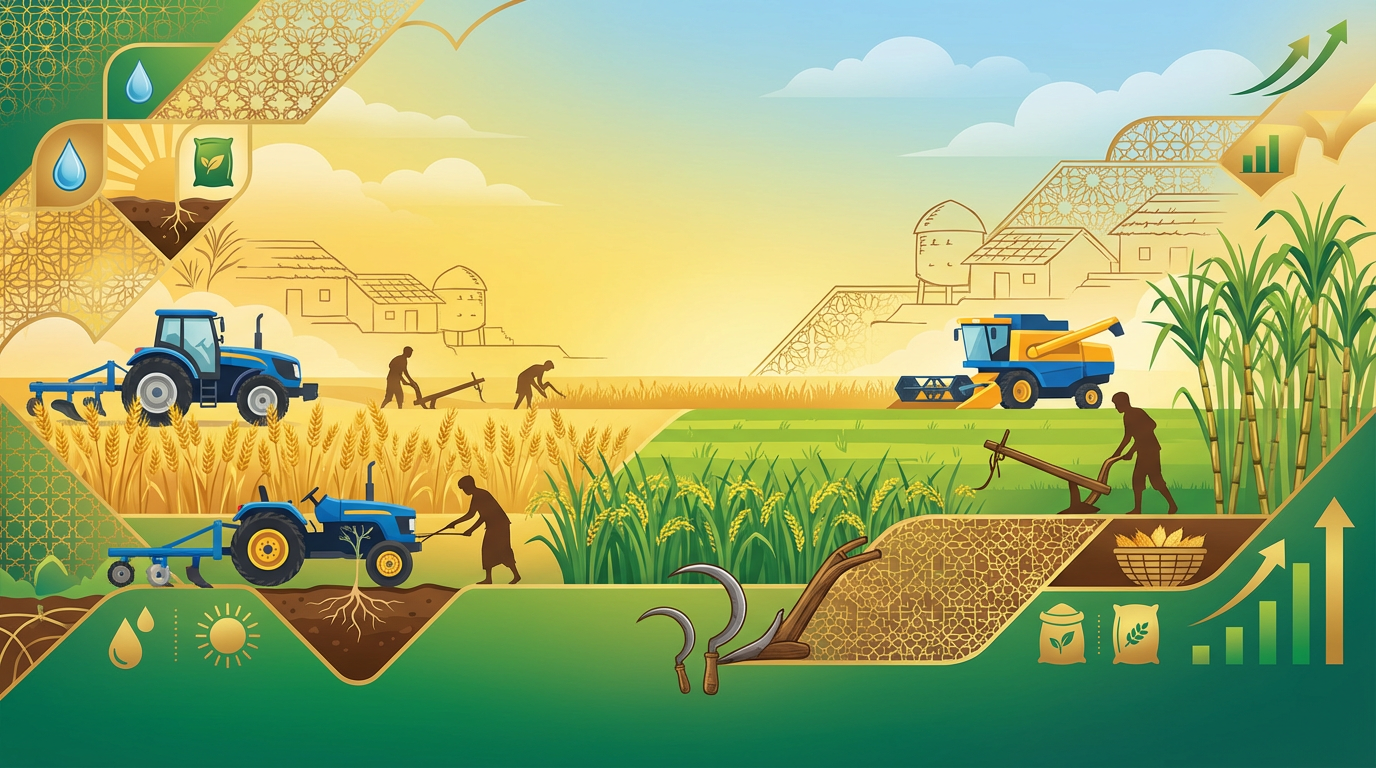
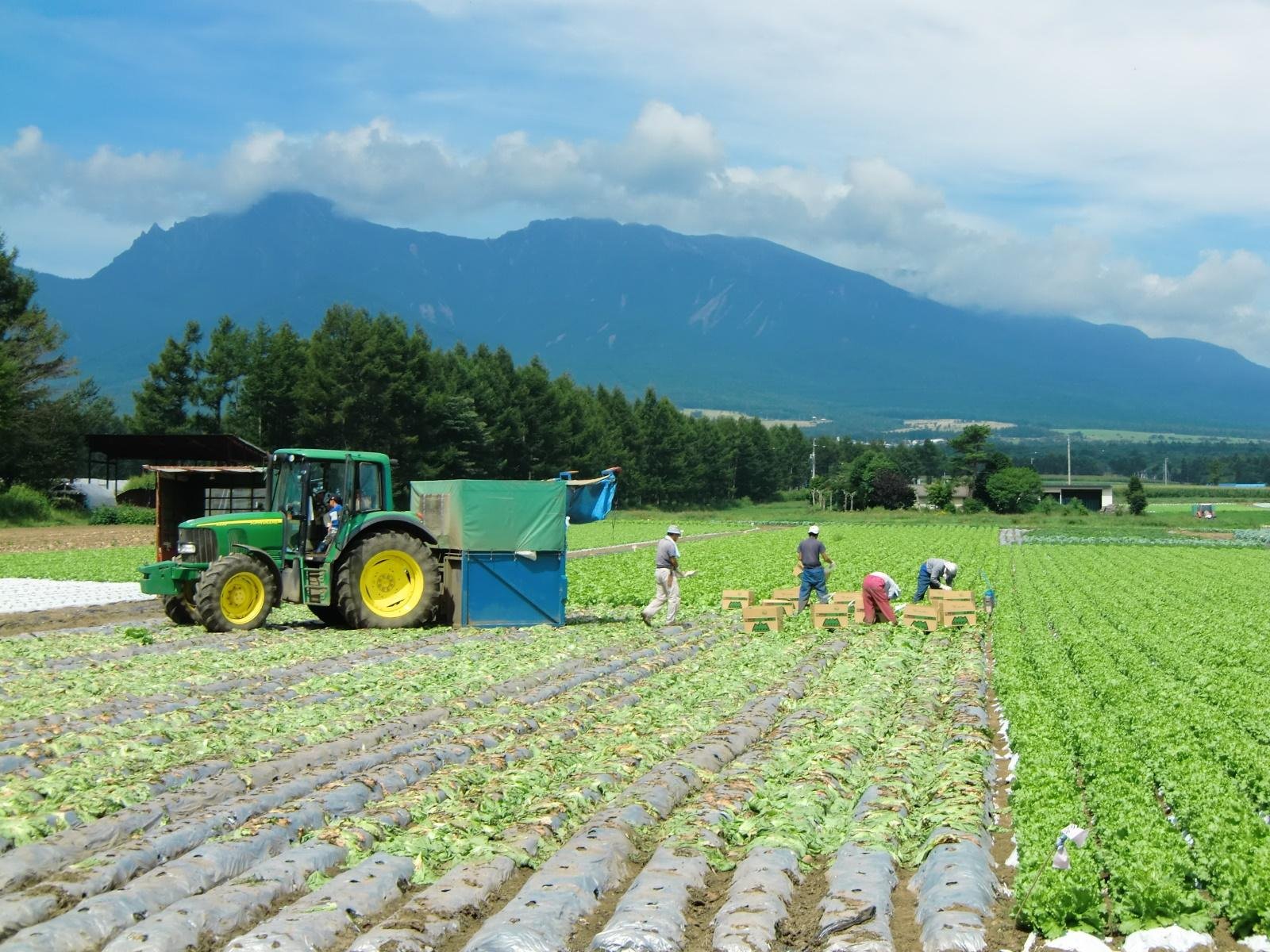
A central condition of the proposed programme is that ethanol should be produced from domestic agricultural resources rather than imported supplies. Indonesia is considering sugarcane, cassava and corn as potential feedstocks, linking its energy strategy with agricultural production and agro-industrial investment.
The government has also discussed expanding sugarcane cultivation across millions of hectares and developing additional ethanol-processing infrastructure to support future demand. Such an expansion would require substantial investment in agricultural productivity, processing capacity, logistics and feedstock procurement.
For the sugar and bioenergy industries, the proposed blending targets could open opportunities beyond conventional sugar production. Sugarcane-based ethanol could provide mills with an additional revenue stream, while cassava and corn could contribute to a broader domestic biofuel supply base. However, the commercial viability of these pathways will depend on feedstock costs, yields, processing economics and the availability of land and infrastructure.
Indonesia’s approach draws on the experience of established bioethanol markets such as Brazil, where ethanol blending and domestic production have become important components of transport fuel supply. Replicating that scale will require Indonesia to align its agricultural expansion with fuel demand, investment incentives and technical requirements for higher ethanol blends.
The E50 ambition represents a significant long-term policy direction rather than an immediate nationwide transition. Its implementation will depend on the detailed roadmap, the speed at which domestic ethanol capacity can be commissioned, and the ability of agricultural supply chains to deliver feedstock at competitive prices.
If Indonesia can overcome these constraints, the programme could strengthen links between farming, sugar processing and renewable transport fuels while reducing the country’s reliance on imported petrol. The broader challenge will be to translate ambitious blending targets into a commercially sustainable domestic bioethanol industry.