DunhamTrimmer unveiled its new Global Biocontrol Market Report: Market Overview, Trends, Drivers and Insights during the Annual Biocontrol Industry Meeting (ABIM) 2026 in Basel, Switzerland, offering an extensive assessment of the global biocontrol industry and its prospects through 2032.
Built on 15 years of market research, the report values the global biocontrol market at $9.83 billion in 2026 and projects it will reach $14.97 billion by 2032, representing a compound annual growth rate (CAGR) of 7.3 per cent. The findings point to a market that continues to expand but is experiencing slower growth as established markets mature and the industry faces increasing pressure to demonstrate the commercial and environmental value of biological crop protection.
“The global biocontrol market has reached a new level of maturity. While growth remains positive, the industry is entering a phase in which understanding regional dynamics, competitive positioning and the practical value of biological solutions will be increasingly important,” said Mark Trimmer, Ph.D., president and founding partner of DunhamTrimmer.
Regional growth and changing market dynamics
North America remains the largest regional market, valued at $3.08 billion in 2026. Latin America follows at $2.74 billion, ahead of Europe at $2 billion and Asia-Pacific at $1.76 billion. Africa accounts for approximately $260 million. Latin America stands out as a particularly important growth market, supported by the expanding adoption of biological crop protection solutions in large-scale agricultural production. The region’s importance also reflects opportunities in major row crops, where biological products are increasingly integrated into broader crop management programs.
“Latin America is one of the key regions to watch as biological crop protection becomes more firmly established in commercial agriculture. The combination of large agricultural production areas, growing adoption and evolving regulatory frameworks creates significant opportunities for the industry,” Trimmer said.
Brazil remains the largest market in this region, but it is not expected to grow as much as in previous years, given the intense competition among the various players, according to the president and founding partner of DunhamTrimmer.
Biocontrol’s role in international trade
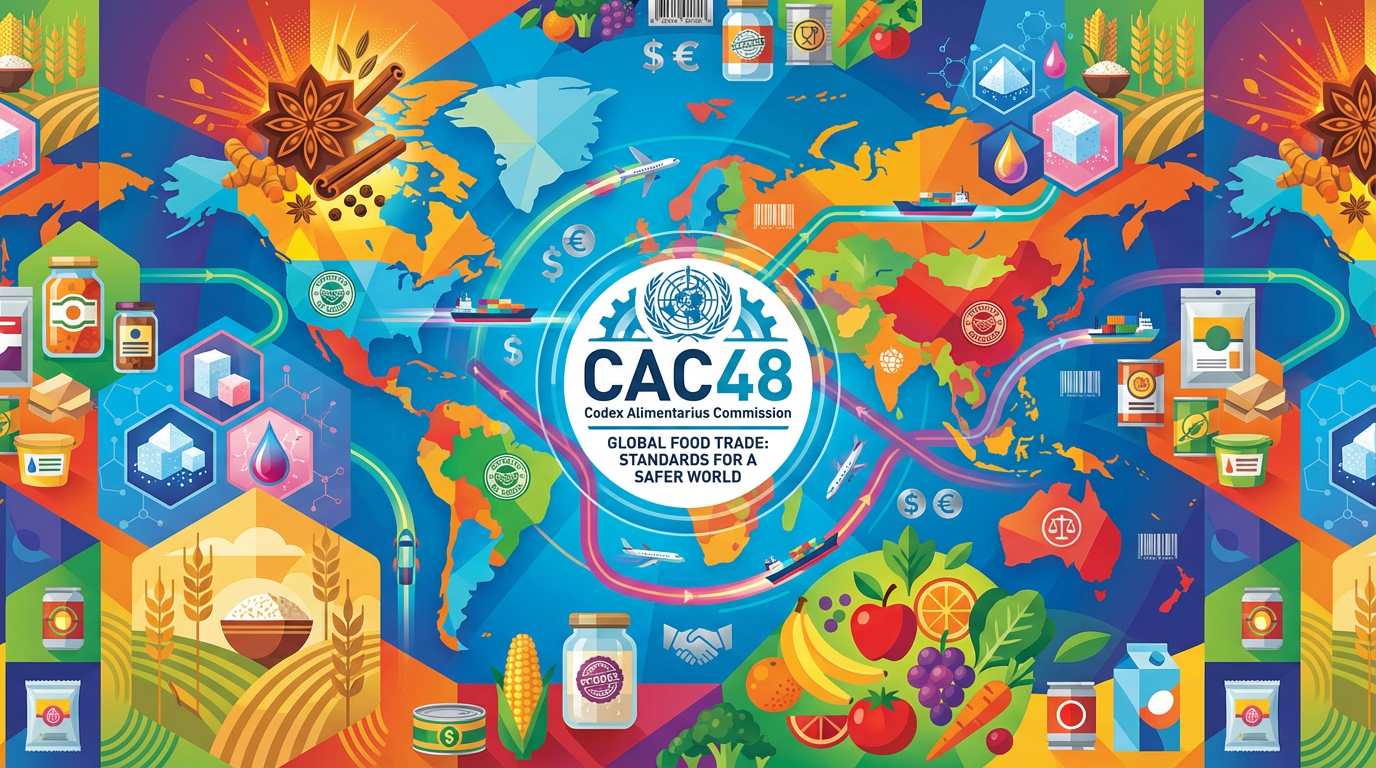
Trimmer also participated in ABIM 2026 as a speaker in the panel Biocontrol as a Trade Enabler, which examined how biological crop protection can help countries capitalize on international trade opportunities while supporting more sustainable food production. Safe trade in sustainably produced food is a central element of sustainable development. However, exporters face increasingly complex requirements involving maximum residue limits (MRLs), pest quarantine regulations and other phytosanitary standards. Biological crop protection can help address some of these challenges when incorporated into integrated crop management programs.
In his presentation, Trimmer drew on findings from the newly released report to outline the current state of the global biocontrol market, identify regions and countries where growth is occurring, and discuss examples in which biological solutions have helped address trade barriers.
“Biocontrol is not only a crop protection tool. It can also be a strategic component of export-oriented production systems, helping growers manage residues and meet market-specific requirements,” Trimmer said. Examples discussed in the presentation included pepper exports from Spain, mangoes from Kenya and grapes from Chile, as well as the challenges associated with meeting MRL requirements in Asian markets.
These cases illustrate the potential for biological solutions to contribute to trade compliance and market access. However, Trimmer emphasized the need for stronger evidence to quantify their impact. The presentation highlighted a significant gap in the available data: although examples of successful adoption exist, relatively few studies systematically measure the number of export rejections avoided or the economic value generated by biocontrol use.
Much of the evidence currently available comes from farm-level assessments or company-reported results. More comprehensive analysis would require exporter residue data, documentation of MRL-related and quarantine-related actions, and clearer measurements of the value created by integrating biological products into crop protection programs.
For the industry, building this evidence base could strengthen the business case for biocontrol by connecting agronomic performance with tangible commercial outcomes, including reduced trade risks and improved access to international markets.
Industry engagement at ABIM 2026
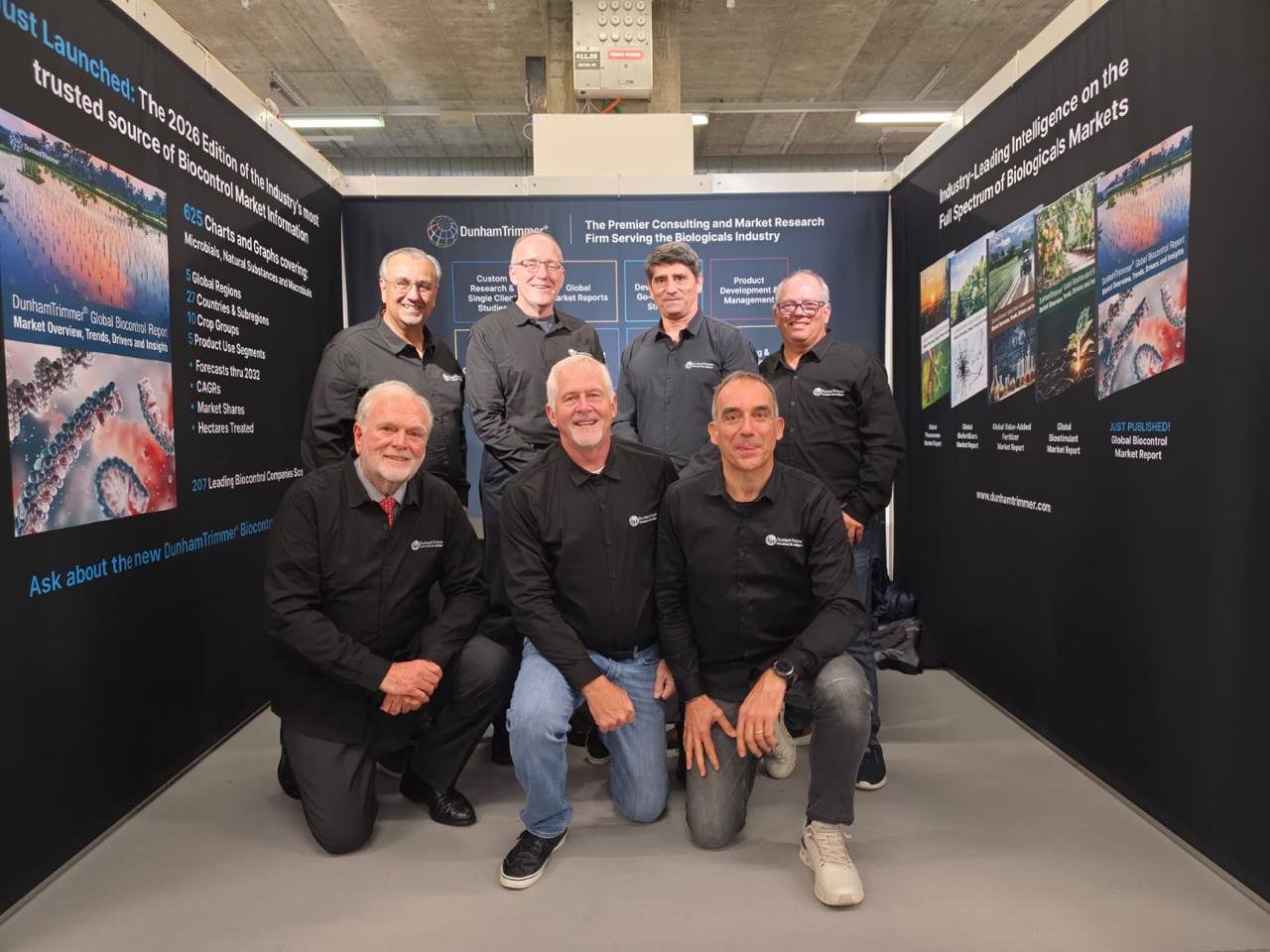
Alongside the report launch and Trimmer’s participation in the trade-focused panel, DunhamTrimmer maintained a booth at ABIM 2026, welcoming clients, partners and other industry stakeholders interested in the new market assessment.
The event provided an opportunity to discuss the report’s findings, exchange perspectives on regional market developments and explore how its data and competitive analysis can support strategic planning across the biological crop protection sector. As the market evolves, access to reliable data on adoption, regulatory pathways, competitive positioning and growth prospects is becoming increasingly important for manufacturers, investors and other participants seeking to identify opportunities and manage risks.
With its expanded market coverage and company benchmarking, the new Global Biocontrol Market Report aims to provide a detailed foundation for those decisions.