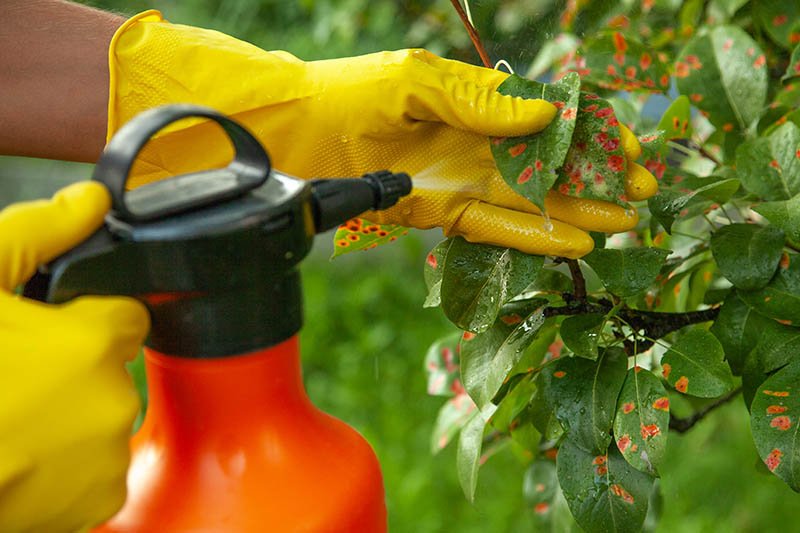
Syngenta South Africa has launched SILVALIS, a new insecticide designed to control potato tuber moth, a pest capable of causing substantial losses in commercial potato production and storage. The product introduces a new insecticide mode of action to the South African market, giving growers an additional tool to manage pest pressure and tackle resistance challenges.
Registered for the control of potato tuber moth (Phthorimaea operculella), SILVALIS is the first insecticide in South Africa registered under Insecticide Resistance Action Committee (IRAC) Group 30, according to the company. Its introduction expands the range of available chemistry for potato growers seeking to protect crop quality and reduce the risk of resistance associated with repeated use of existing insecticides.
The launch reflects a broader shift in crop protection towards diversifying modes of action. As pest resistance and production pressures intensify, the availability of new insecticide groups can help growers build more effective rotation strategies within integrated pest management (IPM) programmes.
Sarike le Roux, Syngenta South Africa's Head of Marketing, said the launch reflects the company's focus on translating scientific research into practical solutions for farmers. Chris Steyn, its Portfolio Manager for Insect Control, said feedback from growers using the product had exceeded the company's expectations.
A new mode of action against a damaging pest
Potato tuber moth is among the economically significant pests affecting potato production. Its larvae attack leaves and stems, but the greatest threat comes from damage to tubers, both in the field and during storage. Under severe infestation, the pest can cause losses of up to 100 per cent of a commercial crop, the company said.
SILVALIS is a suspension concentrate formulation containing isocycloseram, an active ingredient developed using Syngenta's PLINAZOLIN technology. The product is the outcome of more than a decade of research and introduces IRAC Group 30 chemistry into South African agriculture.
The insecticide is designed to disrupt the pest's nervous system, rapidly stopping feeding and limiting further crop damage. Its distinct mode of action also gives growers an additional option for rotating insecticides with different resistance-management classifications.
The availability of a new mode of action is particularly relevant in pest management programmes where repeated exposure to the same insecticide groups can accelerate resistance. However, the long-term value of the product will depend on how effectively it is integrated into rotation strategies and broader IPM practices.
Formulation designed for field conditions
Beyond its active ingredient, Syngenta is positioning the formulation technology as a key part of SILVALIS's performance proposition. The company said PLINAZOLIN technology enables the insecticide to remain active on treated plant surfaces after application, particularly when used at the first signs of infestation. It is also designed to maintain activity following rainfall and offer improved ultraviolet (UV) stability, limiting degradation caused by sunlight.
These formulation characteristics are intended to support sustained insecticidal activity under variable field conditions. The product's ability to stop feeding quickly is expected to help reduce the extent of damage as infestations develop. Gustav Venter, Syngenta's Product Biologist for Insect Control, said the launch forms part of a wider approach to responsible pest management that combines new chemistry, formulation technology and field performance.
Resistance management becomes central
For South African potato growers, the introduction of SILVALIS comes at a time when maintaining the effectiveness of available insecticides is becoming increasingly important. New chemistry can expand the options available to farmers, but it cannot replace disciplined resistance-management practices.
Rotating products with different modes of action, monitoring pest populations and incorporating non-chemical interventions remain essential components of effective IPM programmes. Syngenta's launch therefore represents both a product expansion and an attempt to address a wider industry challenge: ensuring that potato growers have access to additional tools to protect yields and preserve the effectiveness of crop protection technologies.