
British agri-biotechnology company SOLASTA Bio has submitted its first peptide-based insecticide for registration in the United States, marking a significant step towards commercialising its biological crop protection technology. The regulatory filing comes as growers face mounting challenges from insecticide resistance, pest pressure and tighter restrictions on conventional chemical products.
The regulatory packages for the active ingredient and its first end-use product are under concurrent review by the US Environmental Protection Agency (EPA) and the California Department of Pesticide Regulation (CDPR). The product is designed to target aphids and whiteflies, with the initial registration focus on aphid control in leafy greens and vegetable crops. The EPA has classified the company's lead peptide as a biochemical active ingredient. According to SOLASTA Bio, this classification offers a potentially faster and more cost-effective regulatory route than the pathway typically required for conventional insecticides.
Peptide technology targets insect pests
SOLASTA Bio's technology uses nature-identical peptides designed to act against specific crop pests while limiting effects on beneficial insects and the wider environment. The company's lead active ingredient was selected for its performance against aphids across multiple crops in greenhouse and field trials. SOLASTA Bio reports that the peptide has a favourable ecotoxicological profile, does not bioaccumulate and has shown no adverse effects on beneficial species or plant health in its evaluations.
The company is also pursuing recognition from the Insecticide Resistance Action Committee (IRAC) for the technology as a new mode of action. Such recognition could give growers an additional option for rotating insecticides and managing the development of pest resistance.
Field demonstration tests technology amid whitefly pressure
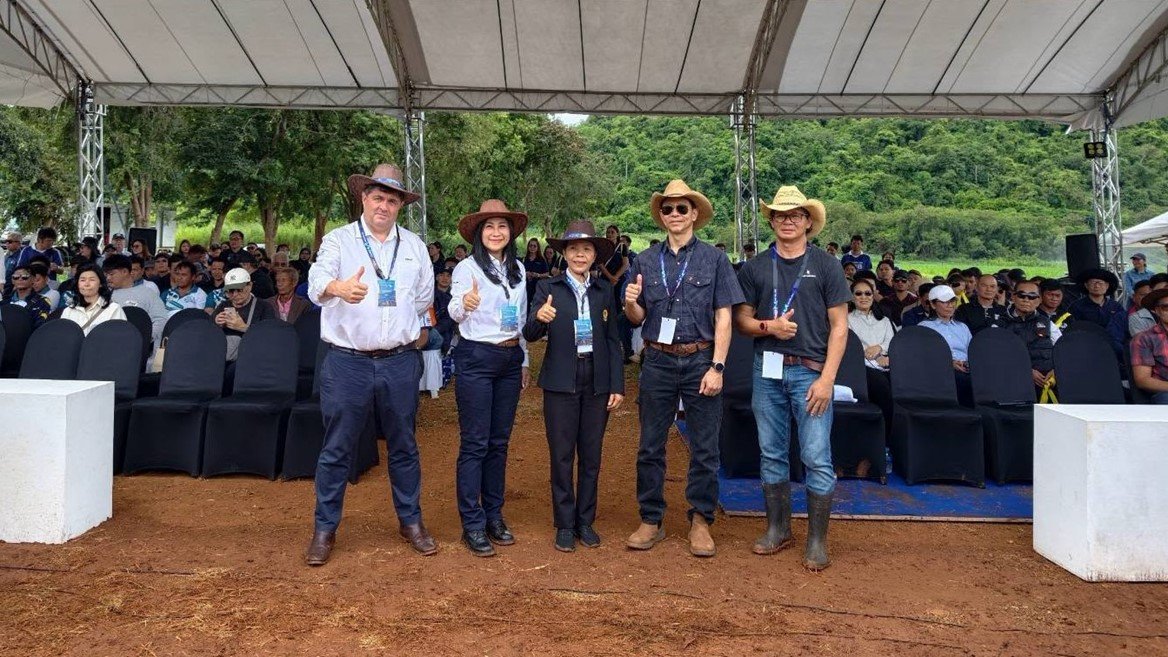
The US regulatory development coincided with SOLASTA Bio's second field demonstration event, held in Georgia in early October. The company brought investors and partners to observe its lead aphid product, alongside evaluations against whiteflies and selected peptides targeting lepidopteran pests across different crops.
The demonstration took place during an unusually severe whitefly outbreak, with local reports indicating population levels not seen in more than a decade. Despite the high pest pressure, the company reported visible reductions in leaf-feeding damage and improvements in plant vigour, health and appearance across treated plots in the aphid, whitefly and lepidopteran evaluations. Visitors were able to compare treated and untreated areas directly.
The company said the field observations were consistent with results from its wider trials programme across crops and geographies. However, the demonstration findings are company-reported observations and do not, by themselves, establish commercial-scale efficacy or performance across all growing conditions.
US registration marks commercialisation push
Shireen Davies, CEO and Co-Founder of SOLASTA Bio, described the US submission as a defining milestone in establishing the regulatory and commercial foundations needed to bring the company's peptide-based products to growers. She said the field demonstration offered investors and partners an opportunity to assess product performance under intense whitefly pressure, adding that the company was preparing a broader pipeline of peptide solutions behind its first product.
SOLASTA Bio's latest progress builds on a growing patent portfolio covering the United States, Europe and other markets. The company also raised $14 million in an oversubscribed Series A funding round in 2024, attracting investors including Forbion BioEconomy Fund, Corteva Catalyst and FMC Ventures.
The US regulatory review will be an important test of whether peptide-based insecticides can move from promising biological research into commercially deployable crop protection products. For growers confronting resistant pest populations and a changing regulatory landscape, the technology represents another potential addition to the search for more targeted insect control.