Red Sun Co., Ltd. used the 26th National Pesticide Exchange Conference and International Agrochemical Products Exhibition (ACE2026) in Shanghai to strengthen its positioning in biological crop protection, unveiling two microbial pesticide products and presenting its latest fermentation technologies and digital services.
Held from October 14 to 16 at the Shanghai World Expo Exhibition & Convention Center, ACE2026 brought together more than 1,000 companies from over 120 countries and regions, attracting more than 100,000 professional visitors. Discussions centred on advances in biological pesticides, greener formulations and international supply chain cooperation. Red Sun's showcase focused on microbial fermentation and the development of biological alternatives for crop protection, with two new products forming the centrepiece of its exhibition.
New microbial products target insect pests and crop pathogens
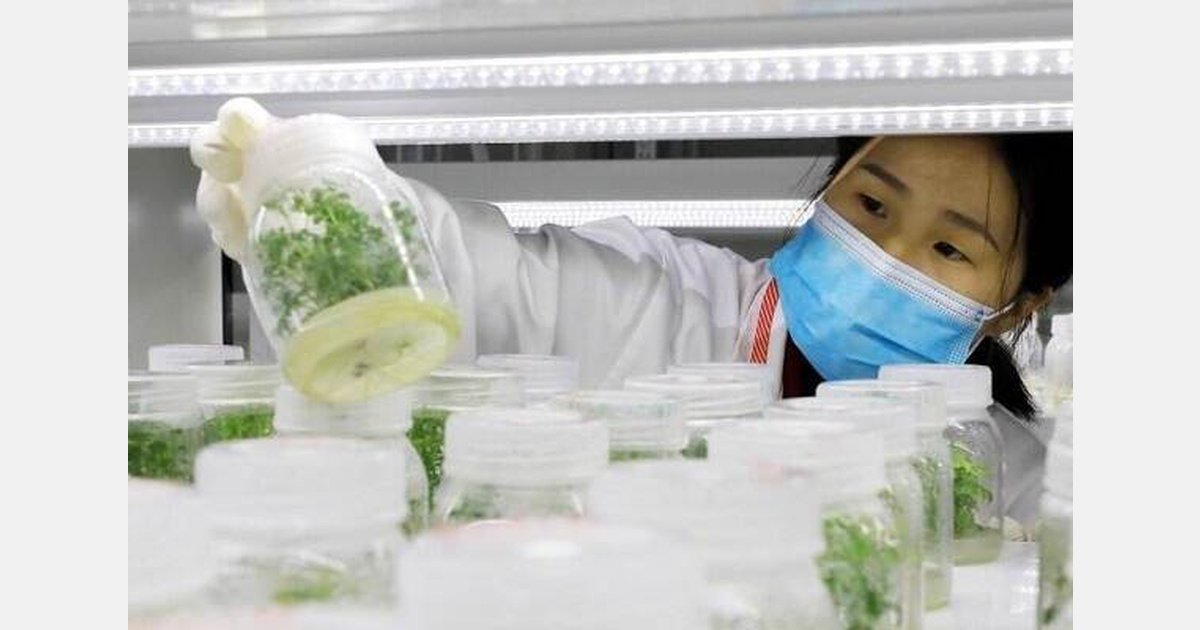
The first launch was an upgraded suspension concentrate formulation of Bacillus thuringiensis (Bt), developed using a selectively bred, high-toxicity bacterial strain. The company said the product combines high-density submerged fermentation with spore-protection formulation technology, delivering an effective spore content more than 40 per cent above the industry-standard level.
Designed to target more than 10 major categories of crop pests, including Lepidoptera and Coleoptera, the formulation is intended for use in rice, vegetable and fruit cultivation. Red Sun highlighted its target specificity, environmental profile and comparatively low resistance risk as key attributes for integrated pest management programmes.
The second product was ε-polylysine, which the company described as China's first industrialised preparation of its kind. A naturally derived bio-based compound, it can degrade into essential amino acids and is intended to offer an alternative approach to managing bacterial and fungal contamination.
According to Red Sun, its antimicrobial spectrum includes Gram-positive and Gram-negative bacteria, yeasts and moulds. The company cited activity against Escherichia coli and Salmonella strains, which it said can be difficult to manage with conventional products. The preparation has potential applications in field disease management as well as post-harvest agricultural preservation. Its launch also broadens the company's biological fungicide portfolio, extending its focus beyond insect control.
Red Sun additionally displayed established products including glufosinate-ammonium, chlorantraniliprole and diquat dichloride. The portfolio presentation brought together biological products, conventional crop protection chemistry and formulation technologies.
International buyers explore procurement and registration partnerships
The company's exhibition stand drew buyers, distributors and industry representatives from Southeast Asia, South America, Africa and other markets, according to Red Sun. Its sales teams held discussions on product performance, regional registration requirements and opportunities for joint technology development. The company said it proposed market-specific product combinations and distribution arrangements based on local cropping systems and regulatory conditions.
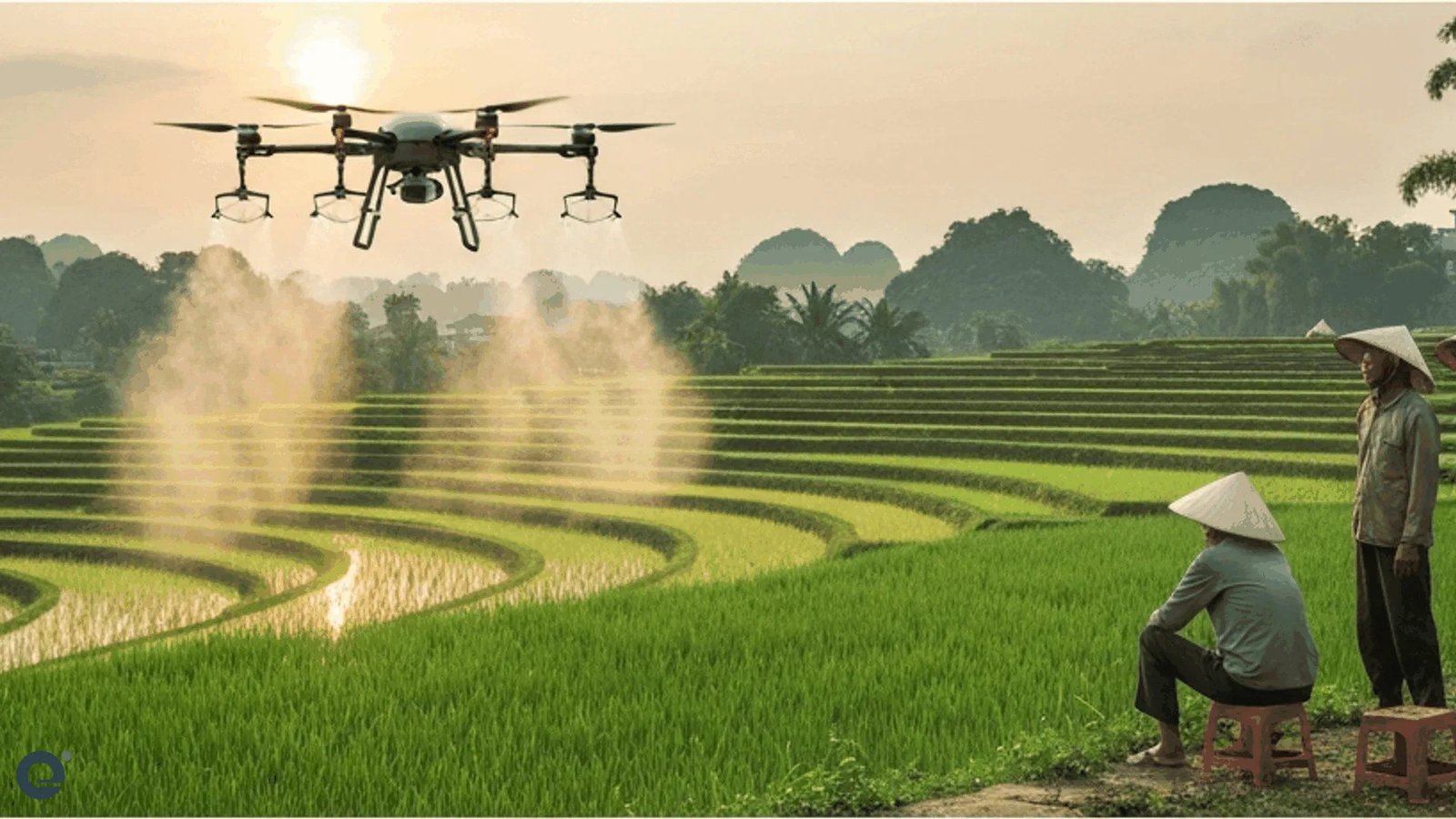
Discussions resulted in multiple cooperation intentions covering bulk procurement of biological pesticides, regional brand representation, joint registration and product development. These remain prospective partnerships rather than confirmed commercial agreements. Red Sun also presented its AI-powered cross-border pesticide service platform, which integrates pest and disease monitoring, precision application support and end-to-end traceability of pesticide performance.