Kenya's rice sector is emerging as more than a food production success story. It is evolving into a model for rural enterprise, technology adoption and agricultural transformation, with partnerships between research institutions, farmer cooperatives and agribusinesses demonstrating how innovation can strengthen entire food systems across Africa.
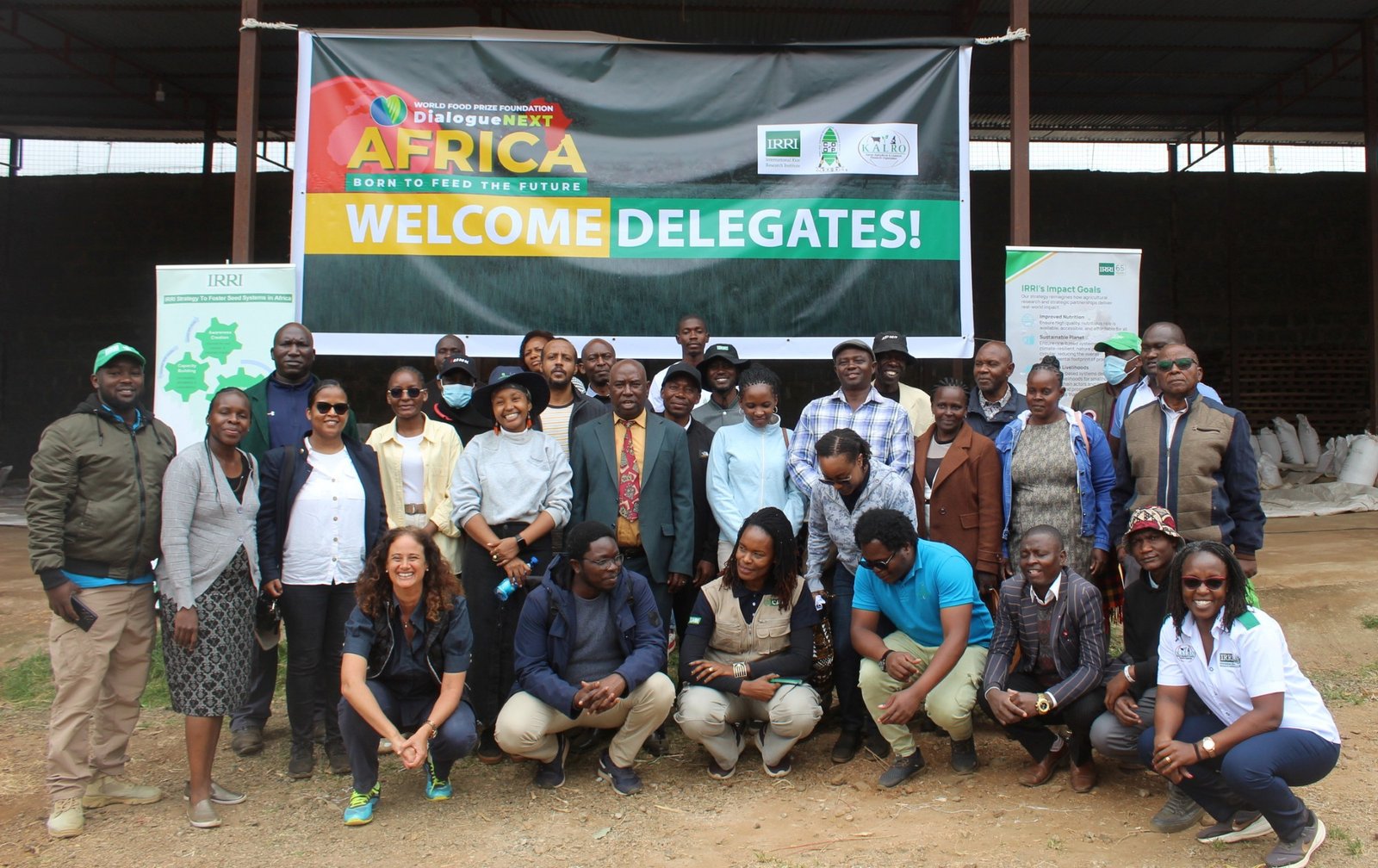
That message took centre stage during a field immersion organised under the World Food Prize Foundation's DialogueNEXT Africa programme, where delegates from several African countries visited Kirinyaga County to witness how scientific research is being translated into commercial opportunities, stronger farmer incomes and a more resilient rice value chain.
Hosted by the International Rice Research Institute (IRRI) in collaboration with the Kenya Agricultural and Livestock Research Organization (KALRO) and the Mwea Rice Growers Multipurpose Cooperative Society (MRGM), the visit highlighted how coordinated investments across seed systems, mechanisation, processing and market access are helping Kenya reduce its dependence on imported rice while creating new economic opportunities in rural communities.
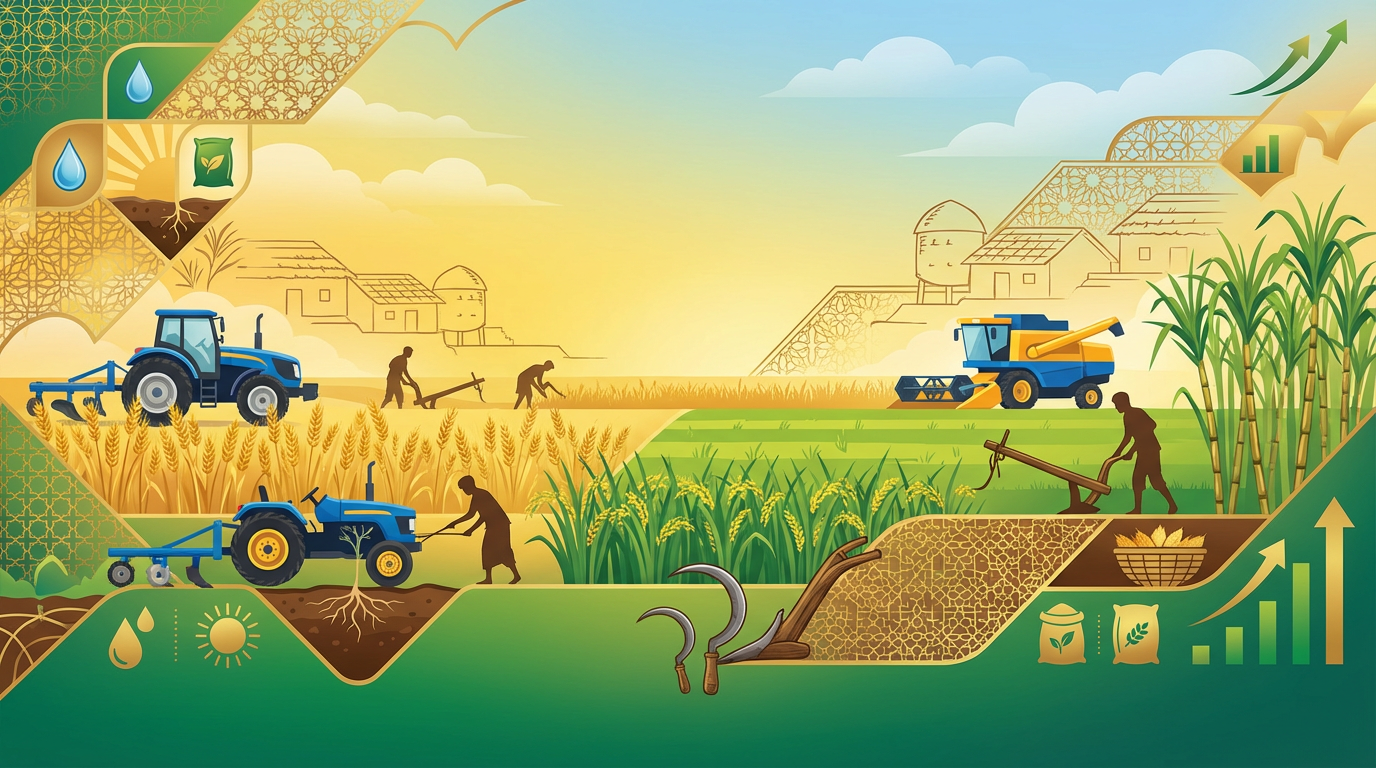
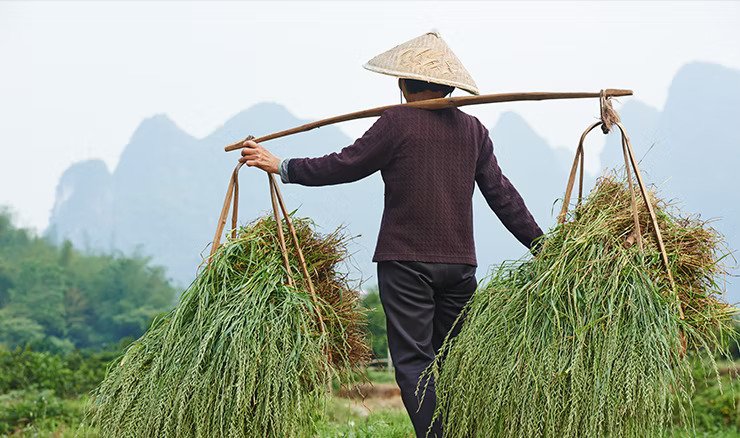
Rather than focusing solely on higher yields, the initiative showcased the broader economic impact of a well-developed rice ecosystem. Delegates observed how seed enterprises, mechanisation providers, millers, transport operators, retailers and input suppliers collectively support a thriving agricultural economy, generating employment and entrepreneurship, particularly among women and young people.
At the centre of the ecosystem is MRGM, which has evolved from a traditional farmer cooperative into an integrated agribusiness platform. The cooperative now provides certified seed, mechanisation services, grain drying and storage infrastructure, post-harvest technologies, branding support and sustainable rice residue management, enabling farmers to participate in higher-value markets while improving production efficiency.
Despite these advances, Kenya continues to rely heavily on imports, with nearly 80 per cent of domestic rice demand met through overseas purchases. IRRI and KALRO believe that scaling improved technologies and strengthening value-chain partnerships will be critical to narrowing this supply gap while improving national food security.
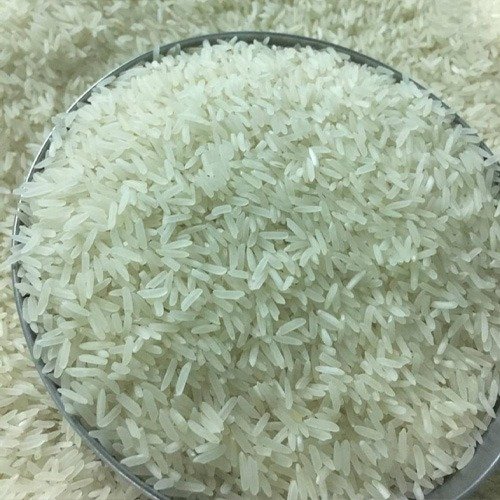
One of the programme's strongest examples of successful technology transfer is the Komboka rice variety, jointly developed by IRRI and KALRO. Through partnerships with MRGM, the improved variety has already reached around 8,500 farmers. Adoption has been particularly strong across Kenya's rice-growing regions, reaching almost 100 per cent in Tana River, around 80 per cent in western Kenya and approximately 40 per cent in Mwea, demonstrating how collaborative research can accelerate the uptake of climate-resilient, high-yielding technologies.
The immersion also highlighted the growing participation of women and youth across the rice economy, extending well beyond cultivation into seed production, mechanisation, processing and marketing. Participants described the value chain as a practical example of how agricultural modernisation can create employment opportunities throughout rural economies when supported by strong institutional partnerships.
Circular economy practices formed another key element of the showcase. Delegates observed how rice straw and husks are being converted into livestock feed and other value-added products, illustrating how agricultural waste can generate additional income while supporting more sustainable production systems.
According to IRRI, Africa's rice demand is expanding faster than any other staple crop, yet domestic production continues to trail consumption. The Kenyan experience demonstrates that investments in improved varieties, climate-smart production, mechanisation, post-harvest infrastructure and market linkages can significantly strengthen local rice industries while reducing dependence on imports.
For policymakers and development partners attending DialogueNEXT Africa, the field visit reinforced a broader lesson: sustainable food systems are built not only through scientific breakthroughs, but by connecting research, farmers, cooperatives and private enterprise into commercially viable ecosystems capable of delivering long-term economic and food security benefits.