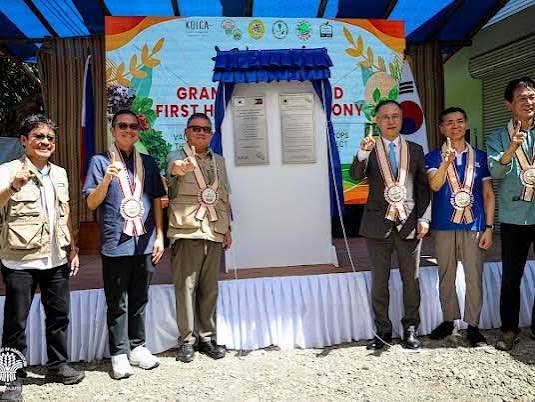
The Department of Agriculture (DA) is looking to turn smart farming technology into a more commercially viable business for Filipino growers, opening a Korean-backed greenhouse facility in this Western Visayan town, as it seeks to improve productivity and competitiveness in high-value crops.
Agriculture Secretary Francisco P. Tiu Laurel Jr. led the opening and ceremonial harvesting on Saturday of the Value Chain Enhancement of High-Value Crops through Smart Agriculture (VEHCSA) facility at the Aklan Agri-Aqua Demonstration Farm and Training Center in Nalook, Kalibo.
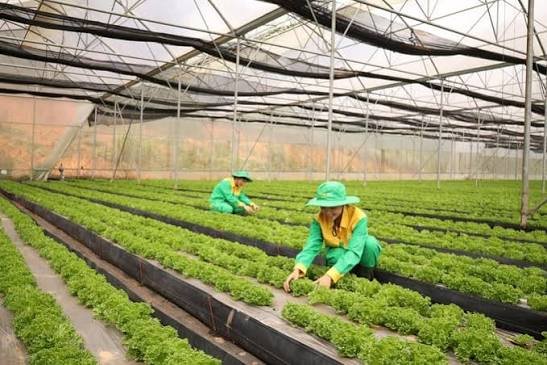
The project, supported by the Republic of Korea through the Korea International Cooperation Agency (KOICA), introduces automated greenhouse systems and improved production methods designed to make agriculture more efficient and less vulnerable to changing weather conditions.
“Technology partnerships such as this with KOICA can help our farmers produce more with greater efficiency, improve the quality and consistency of their harvests, and ultimately earn more from their hard work,” said Tiu Laurel. “By providing a climate-controlled environment, smart greenhouses can support year-round production, regardless of changing weather conditions. That means a more dependable supply of food, better income opportunities for farmers, and a stronger foundation for food security.”
The Kalibo facility is one of four pilot sites under VEHCSA, formerly known as the Establishment of Smart Agriculture System in Western Visayas. The other sites are in Tigbauan, Iloilo; Patnongon, Antique; and Bago City, Negros Occidental.
Implemented by KOICA’s project management consultant and the DA’s Regional Field Office VI, the initiative seeks to strengthen the value chain of high-value crops through technology adoption, better post-harvest handling, marketing support, Good Agricultural Practices, and farmer training.
The inauguration marks the transition of the Kalibo greenhouse from infrastructure development to actual production and commercial operations. Its automated systems are intended to demonstrate how controlled growing environments can improve crop productivity while helping farmers produce more consistent, marketable harvests.
The opening included the ceremonial activation of the greenhouse automation system, harvesting of initial crop yields, and a guided tour of the facility for government officials and development partners.
But the bigger test for the project lies beyond the technology. While smart greenhouses can improve production conditions, their long-term viability will depend on whether farmer organizations can operate them sustainably, secure reliable buyers, and generate enough income to cover operating costs and future investments.
The DA and KOICA are therefore looking to connect the facilities with viable agribusiness enterprises and institutional and private-sector markets, rather than leave them as demonstration sites with impressive equipment but limited commercial reach.
The Philippine-Korean partnership is part of a broader effort to modernize agriculture in Western Visayas by combining technology, institutional support, and farmer participation.
The real measure of success of this smart greenhouse project will not be the ribbon-cutting or the first ceremonial harvest, but whether the greenhouse can consistently deliver better yields, stronger farm incomes, and crops that can compete in the marketplace