New Zealand has committed NZ$3.39 million to extend the CGIAR Initiative on Asian Mega-Deltas (AMD), reinforcing international efforts to strengthen climate resilience, food security and sustainable agricultural production across some of Asia's most productive yet climate-vulnerable farming regions.
The funding, announced by New Zealand Foreign Minister Winston Peters during the ASEAN Post Ministerial Conferences (PMC)+1 Sessions, provides a 12-month extension to the AMD programme, ensuring continued momentum after the successful completion of its first phase (2022–2025).
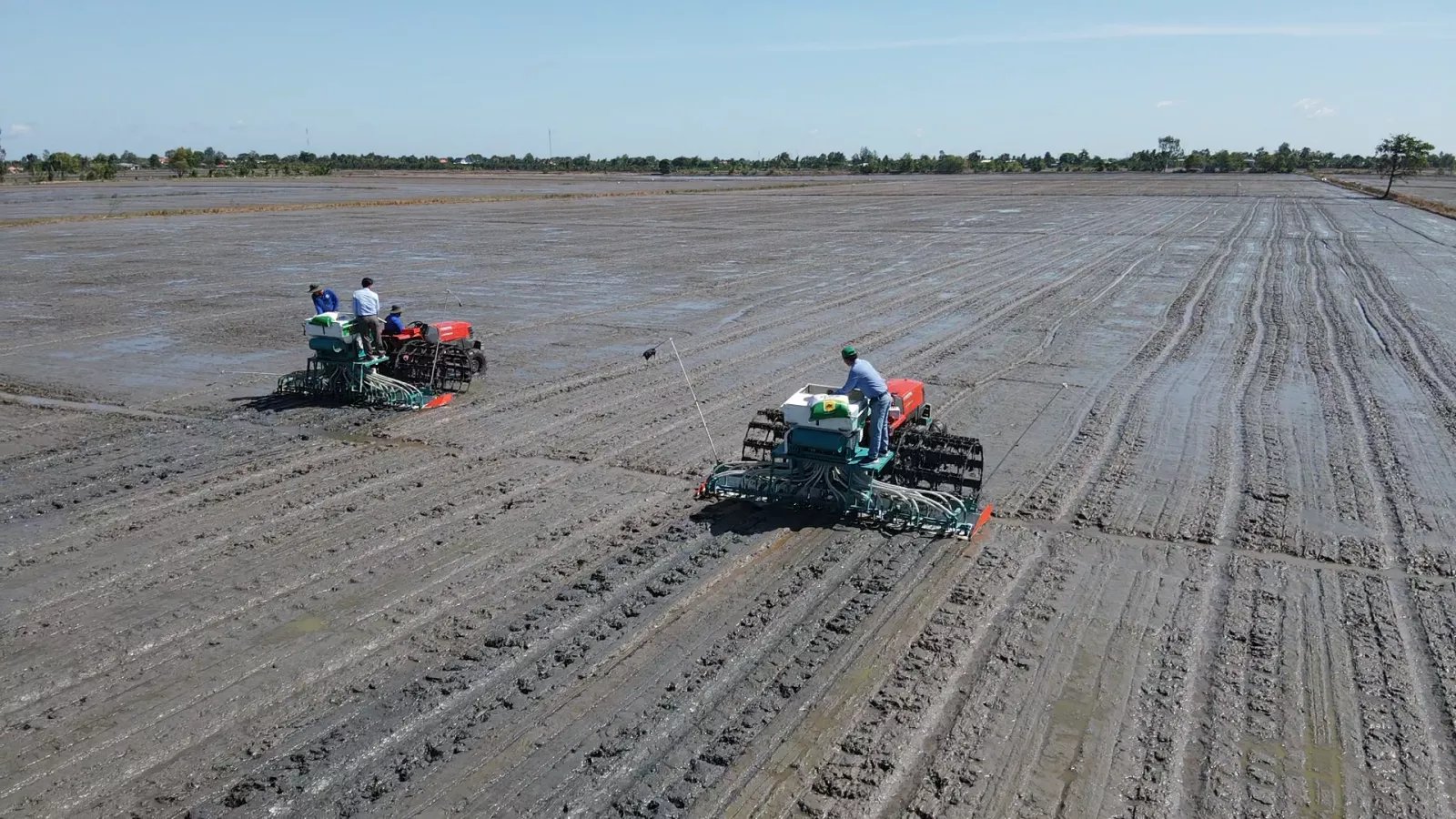
The investment will support climate-smart agriculture across the Mekong Delta (Cambodia and Vietnam), Irrawaddy Delta (Myanmar), and the Ganges-Brahmaputra-Meghna Delta (Bangladesh and India)—regions that collectively produce a significant share of Asia's rice, horticultural crops and aquaculture products while facing mounting threats from climate change, sea-level rise and extreme weather.
The extension reflects growing recognition that safeguarding delta ecosystems is central to regional food security, as climate variability increasingly disrupts agricultural productivity and rural livelihoods.
Over the coming year, the initiative will provide 350,000 agricultural workers with timely weather forecasts, climate-risk information and digital advisory services to help farmers adopt climate-smart practices, manage production risks and improve on-farm resilience.
Beyond supporting farmers, the programme will strengthen government decision-making by expanding the use of climate-risk mapping, advanced food systems analysis and evidence-based land-use planning. It will also accelerate the regional deployment of climate-smart technologies through public extension networks, non-governmental organizations, private-sector partners and community-based institutions.
According to Dr. Bjoern Ole Sander, scientist at the International Rice Research Institute (IRRI) and leader of the AMD initiative, the programme remains focused on removing systemic barriers that limit the large-scale adoption of transformative agricultural technologies.
"Our mission remains to create resilient, inclusive and productive deltas by removing systemic barriers to scaling transformative technologies and practices at community, national and regional levels," Dr. Sander said.
The next phase will place particular emphasis on expanding diversified farming systems, strengthening nutrition-sensitive food networks, scaling digital climate advisory platforms, and improving governance, institutional capacity and investment planning across participating countries.
The AMD initiative brings together expertise from six CGIAR research centres alongside numerous international and national research institutions, reflecting the increasingly collaborative nature of global efforts to address climate adaptation and food system transformation.
As governments seek practical solutions to rising climate risks and growing food demand, New Zealand's latest investment underscores the expanding role of international partnerships in accelerating agricultural innovation, strengthening smallholder resilience and protecting the productivity of Asia's critical delta ecosystems.