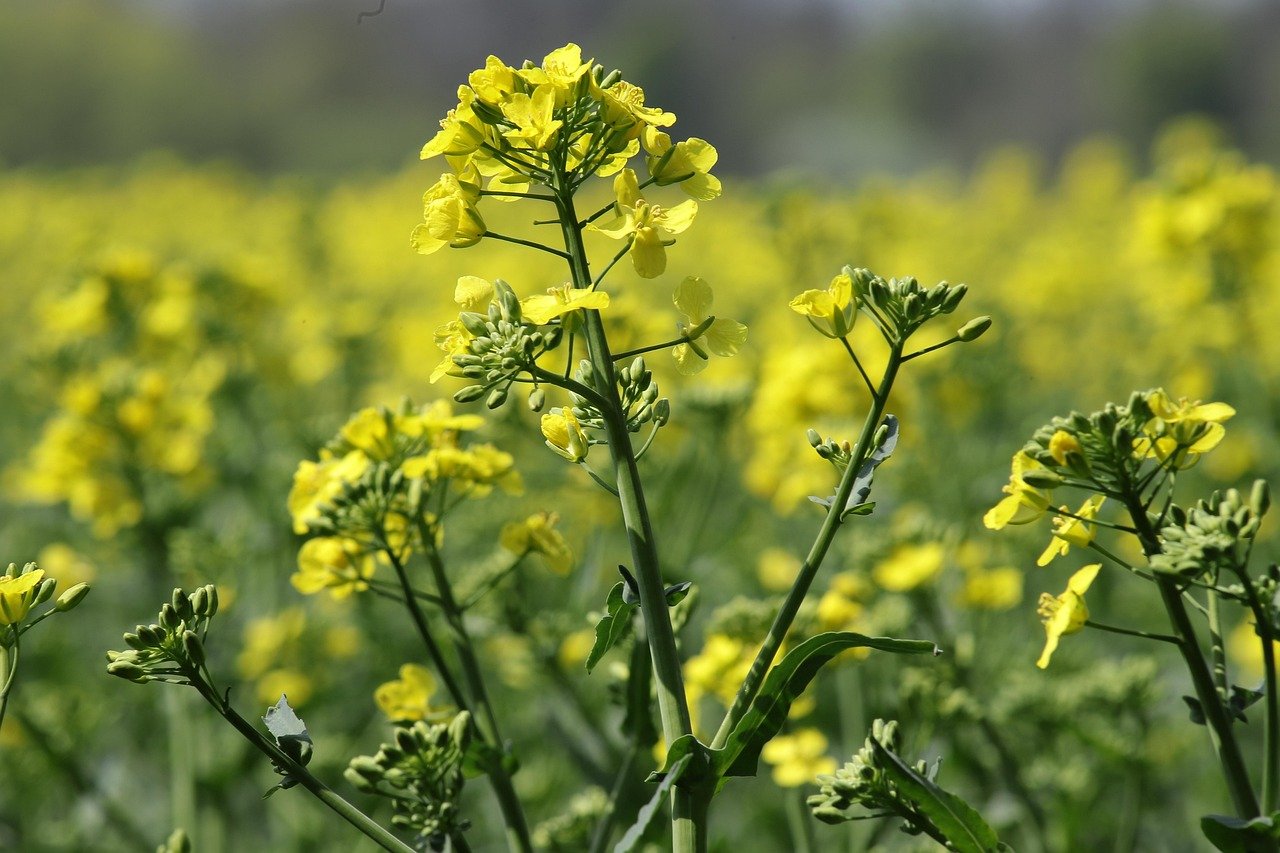
The European Union's rapeseed imports from non-EU countries declined sharply during the 2025/26 marketing season as a stronger domestic harvest reduced import demand, although Australia retained its position as the bloc's largest external supplier.
According to European Commission data, the EU-27 imported 5.4 million tonnes of rapeseed from non-EU countries during the 2025/26 season, down significantly from 7.5 million tonnes in the previous marketing year. The decline reflects improved domestic production, reducing the need for overseas supplies.
The Union zur Förderung von Oel- und Proteinpflanzen (UFOP) said it expects another strong EU rapeseed harvest in 2026 despite extreme weather conditions experienced across parts of Europe in recent weeks. The association noted that feedstock demand continues to be shaped by national quota obligations under the implementation of the Renewable Energy Directive III (RED III), a development expected to favour European rapeseed producers.
Australia remained the EU's leading overseas supplier despite a substantial decline in shipments. Imports from Australia fell approximately 41 per cent year on year to 2.1 million tonnes, while deliveries from Ukraine, the bloc's second-largest supplier, declined by around 34 per cent to 1.6 million tonnes.
Imports from Canada also weakened during the season, falling to 870,000 tonnes from 1.1 million tonnes a year earlier. Because Canadian rapeseed production largely relies on genetically modified varieties, rapeseed oil derived from Canadian imports faces restrictions for certain food applications within the European Union and is used predominantly in biofuel production.
Despite the decline in imports, the EU continues to rely on external supplies to meet overall demand. In response, UFOP has urged European farmers to maximise opportunities for sustainable rapeseed cultivation when planning crop rotations for the 2027 harvest, highlighting the crop's growing importance within Europe's renewable energy and food production sectors.
The association also pointed to revised NUTS 2 default greenhouse gas emission saving values, noting that rapeseed used for biofuel production now demonstrates improved emissions performance. According to UFOP, rapeseed cultivated on Germany's mineral soils delivers the strongest greenhouse gas savings within the EU, creating a competitive advantage that should be reflected in future sourcing and marketing strategies.
The latest trade figures underscore how stronger domestic production, evolving sustainability policies and changing biofuel regulations are reshaping Europe's rapeseed market, while maintaining the strategic importance of imports from key suppliers such as Australia and Ukraine.