The Philippine government is intensifying efforts to safeguard the iconic Ifugao Rice Terraces, one of the world's most celebrated agricultural heritage sites, as climate change, aging infrastructure, and shifting farm economics increasingly threaten the centuries-old landscape.
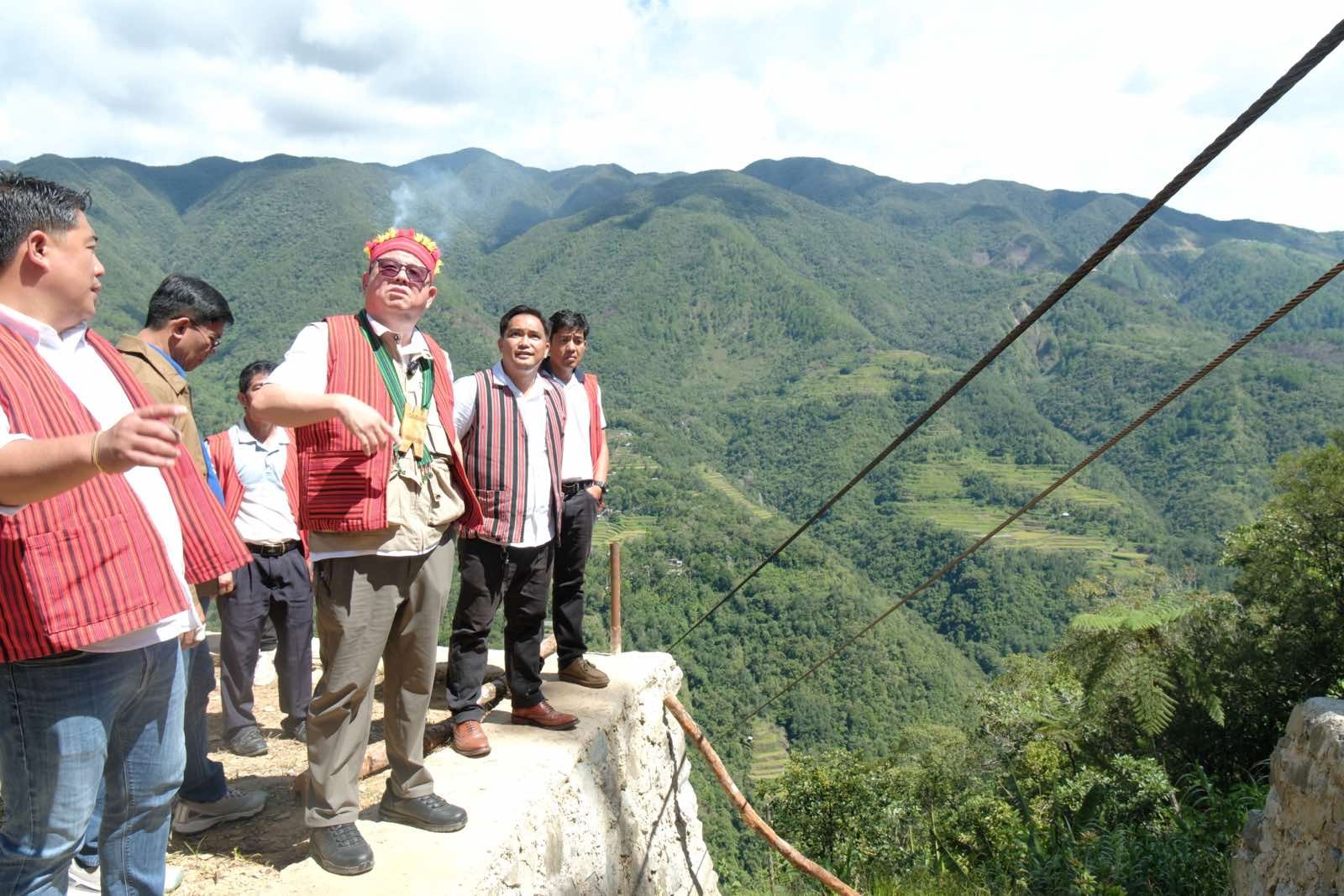
During a visit to Banaue, Agriculture Secretary Francisco P. Tiu Laurel Jr. assessed the condition of the UNESCO-listed terraces, inspected critical agricultural infrastructure, and met with farmers and local officials to identify measures aimed at strengthening productivity, climate resilience, and rural livelihoods.
The renewed push comes as the Department of Agriculture (DA) significantly expands its investments in Ifugao's agricultural sector. The agency has earmarked more than ₱218.8 million in 2026 for programs spanning rice and corn production, high-value crops, livestock development, climate adaptation initiatives, and farmer capacity-building programs. The investments are expected to benefit more than 400 farmers' organizations and agricultural communities across the province.
Beyond direct agricultural support, the government has made substantial investments in rural infrastructure through the Philippine Rural Development Project (PRDP). Since its implementation in Ifugao, the program has financed 10 major infrastructure projects valued at more than ₱2.025 billion, including seven farm-to-market roads worth ₱1.903 billion, two potable water supply systems valued at ₱112.2 million, and a communal irrigation system amounting to ₱9.76 million. In addition, 18 completed infrastructure projects worth ₱810.55 million have further strengthened road connectivity and water access in the province.
Looking ahead, the Department of Agriculture has endorsed a ₱147 million proposal for rice terrace restoration across the Cordillera region in 2027, of which approximately ₱68 million, or 46 per cent, has been allocated for Ifugao. The proposal also includes ₱30 million for the rehabilitation of two agricultural tramlines that play a crucial role in connecting remote farming communities to markets.
At the center of the government's preservation efforts are the Batad Rice Terraces, part of the UNESCO-listed Rice Terraces of the Philippine Cordilleras and a major source of heirloom rice production and agri-tourism income. Although the terraces remain a global symbol of Filipino ingenuity and sustainable farming, sections of the landscape are increasingly showing signs of deterioration due to damaged stone walls, aging irrigation systems, and increasingly erratic weather patterns.
Local stakeholders have called for greater support in terrace rehabilitation, irrigation restoration, disaster mitigation measures, and the conservation of heirloom rice varieties that have sustained local communities for generations. However, restoration efforts are further complicated by UNESCO preservation requirements that limit the use of non-traditional materials and construction methods.
Another growing concern is the gradual conversion of portions of the terraces into highland vegetable farms. At the Banaue Viewpoint terraces, local officials have reported an increasing shift toward vegetable cultivation as farmers grapple with water shortages and seek higher and more stable incomes.
The trend highlights one of the most pressing challenges facing heritage agriculture in the Philippines: preserving cultural landscapes while ensuring that farming remains economically viable for local communities facing rising production costs and changing market dynamics.
During the visit, Secretary Tiu Laurel also inspected the damaged 1.2-kilometer San Fernando-Lubu-ong tramline connecting farming communities in Banaue and Hungduan. The damaged transport system has forced farmers to rely on less efficient and more expensive alternatives to move their produce and farm inputs.
The Agriculture Secretary also reviewed the condition of the 520-meter Viewpoint-Ki-iyang Tramline, a farm-to-market facility completed by the Department of Agriculture in 2014. The tramline has been subjected to continuous heavy use, leading to frequent cable wear and recurring service interruptions that have affected the movement of agricultural goods in the mountainous region. The government is now considering rehabilitation and upgrading measures to ensure the long-term reliability of these vital transport links.
The two tramlines underscore the enduring logistics challenges faced by farming communities in Ifugao, where difficult terrain continues to hinder market access and agricultural productivity.
For the Philippine government, the effort extends far beyond preserving a globally recognized cultural landmark. The broader objective is to ensure that one of the world's oldest and most remarkable farming systems remains productive, economically relevant, and resilient in the face of climate change and evolving market realities.
As pressures on traditional agriculture continue to intensify, the future of the Ifugao Rice Terraces may ultimately depend on the country's ability to strike a delicate balance between heritage conservation, rural development, and agricultural modernization.