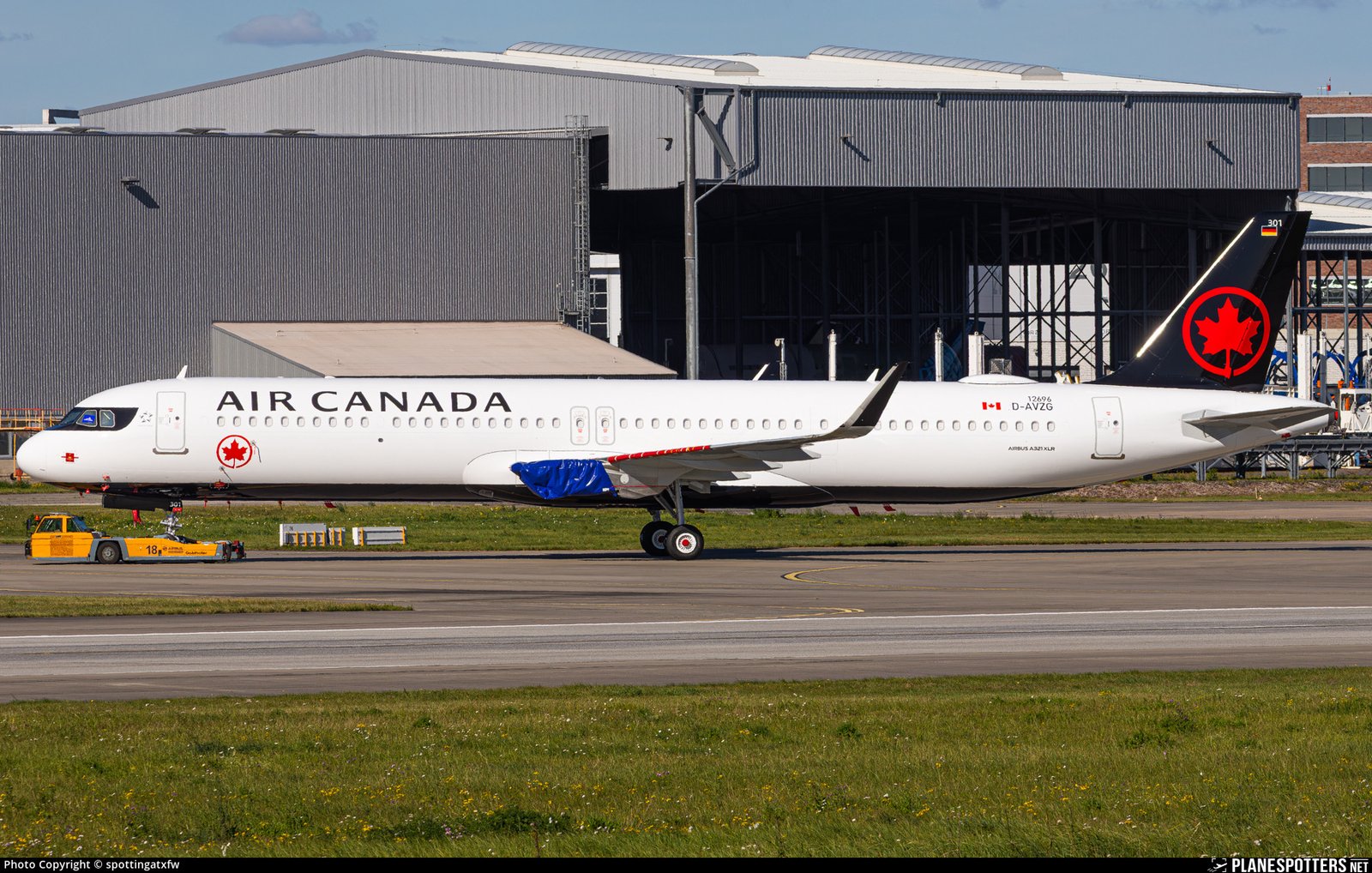
Air Canada and Airbus are planning to establish a jointly funded Sustainability Co-Investment Platform to accelerate the development of a commercial-scale sustainable aviation fuel (SAF) industry in Canada.
The two aviation companies intend to invest up to approximately C$13.7 million, equivalent to about US$10 million, through the platform. The investment will support SAF innovation and production and help advance a jointly selected Canadian project towards a Final Investment Decision.agfunder
The announcement marks a new phase in the companies’ wider efforts to reduce aviation’s lifecycle carbon emissions. SAF is widely viewed as one of the most important near- and medium-term tools for decarbonising aviation because it can be used in existing aircraft and airport fuel infrastructure, subject to applicable technical and regulatory requirements.
Air Canada and Airbus said the investment could act as a catalyst for a broader Canadian SAF ecosystem if supported by an appropriate public policy framework. Canada has significant potential feedstock resources, including agricultural and forestry residues, municipal waste, used cooking oil and other renewable materials that could be converted into lower-carbon aviation fuel.
The partners will continue working with federal and provincial governments to establish the regulatory, financial and market conditions needed to support production at scale. Their engagement with the Canadian Council for Sustainable Aviation Fuels (C-SAF) is intended to help align private-sector investment with policy measures that can improve SAF availability, affordability and long-term competitiveness.
Valerie Durand, vice-president of airport affairs, corporate real estate and sustainability at Air Canada, said the initiative marks meaningful progress in the airline’s energy transition efforts. “Through this joint initiative with Airbus, we are taking meaningful steps toward supporting domestic SAF production, helping corporate customers address the emissions associated with business travel, and contributing to a lower‑carbon path for the industry. With continued industry collaboration and a supportive policy environment, we are confident this momentum can accelerate.”
Julie Kitcher, Airbus chief sustainability officer and Communications, highlighted the long-term nature of the challenge. “Decarbonising aviation will require deep industry collaboration and decades of investment in new sources of renewable energy.
“By launching this co‑investment platform and making a long‑term commitment to Air Canada’s Leave Less Travel Programme, we will help to stimulate the production of, and demand for, SAF in Canada.”
Alongside the investment platform, Airbus has signed a five-year agreement with Air Canada’s Leave Less Travel Programme. Under the arrangement, Airbus will purchase SAF environmental attributes associated with an initial allocation of more than 60,000 litres of SAF.
Air Canada will track the greenhouse gas emissions associated with Airbus’ corporate travel and retire verified SAF environmental attributes on Airbus’ behalf. The arrangement is designed to help address the lifecycle emissions linked to business travel while creating an additional source of demand for SAF.
The companies emphasised that the corporate travel arrangement is intended to complement, rather than replace, direct emissions reductions within the aviation sector. By combining project investment with a demand-side mechanism, the partnership aims to address two of the principal barriers to SAF development: limited production capacity and insufficient long-term demand.
For Canada, the proposed platform could support the development of domestic expertise across feedstock collection, fuel conversion, certification, logistics and airport distribution. A domestic SAF industry could also create opportunities for farmers, forestry operators, waste-management companies, technology providers and energy producers.
The initiative comes as airlines and aircraft manufacturers face growing pressure to reduce emissions while continuing to meet demand for air travel. SAF production remains constrained globally by high costs, limited supply and competition for sustainable feedstocks. Long-term offtake commitments, public incentives and early-stage investment are therefore becoming increasingly important in helping projects reach commercial scale.
The immediate focus for Air Canada and Airbus will be to identify and advance a Canadian SAF project towards a final investment decision. The success of the platform will depend on the project’s feedstock availability, technology readiness, financing structure, regulatory approvals and ability to produce fuel at a competitive cost.
The partners’ approach reflects a broader shift in aviation sustainability strategy—from purchasing environmental attributes to helping build the infrastructure and supply chains required to produce lower-carbon fuel. If the initiative secures the necessary public and private-sector support, it could help position Canada as a significant SAF producer and strengthen the country’s role in the global aviation energy transition.