Australia’s sugar industry could become an unexpected supplier to the aviation sector. MAIRE has announced that its subsidiary Nextchem, through MyRechemical, has been awarded licensing, a process design package and engineering services for the syngas section of Project Lion, a sustainable aviation fuel project being developed in North Queensland’s Burdekin region. The project will use locally available sugarcane tops and trash—residual biomass often burned in the field—to produce purified chemical-grade syngas using Nextchem’s NX Circular™ Gasification technology.
That syngas will then be converted through third-party technologies into sustainable aviation fuel (SAF) and renewable diesel.
At full scale, Project Lion has the potential to produce up to 125,000 tonnes of SAF annually. The project highlights a strategic shift underway in the global SAF industry: the search for feedstocks is moving beyond waste oils and fats towards agricultural residues that are abundant, locally available and currently underutilised.
From field residue to aviation fuel
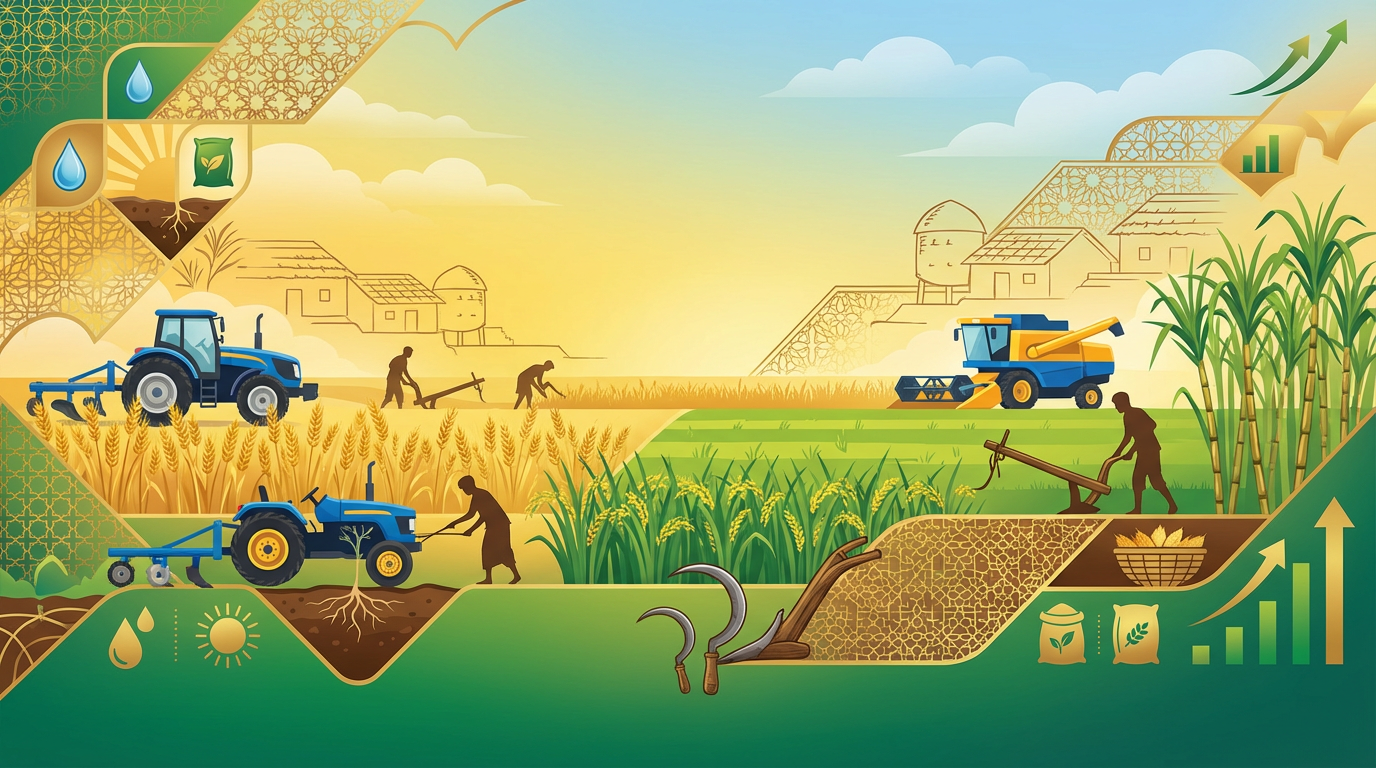
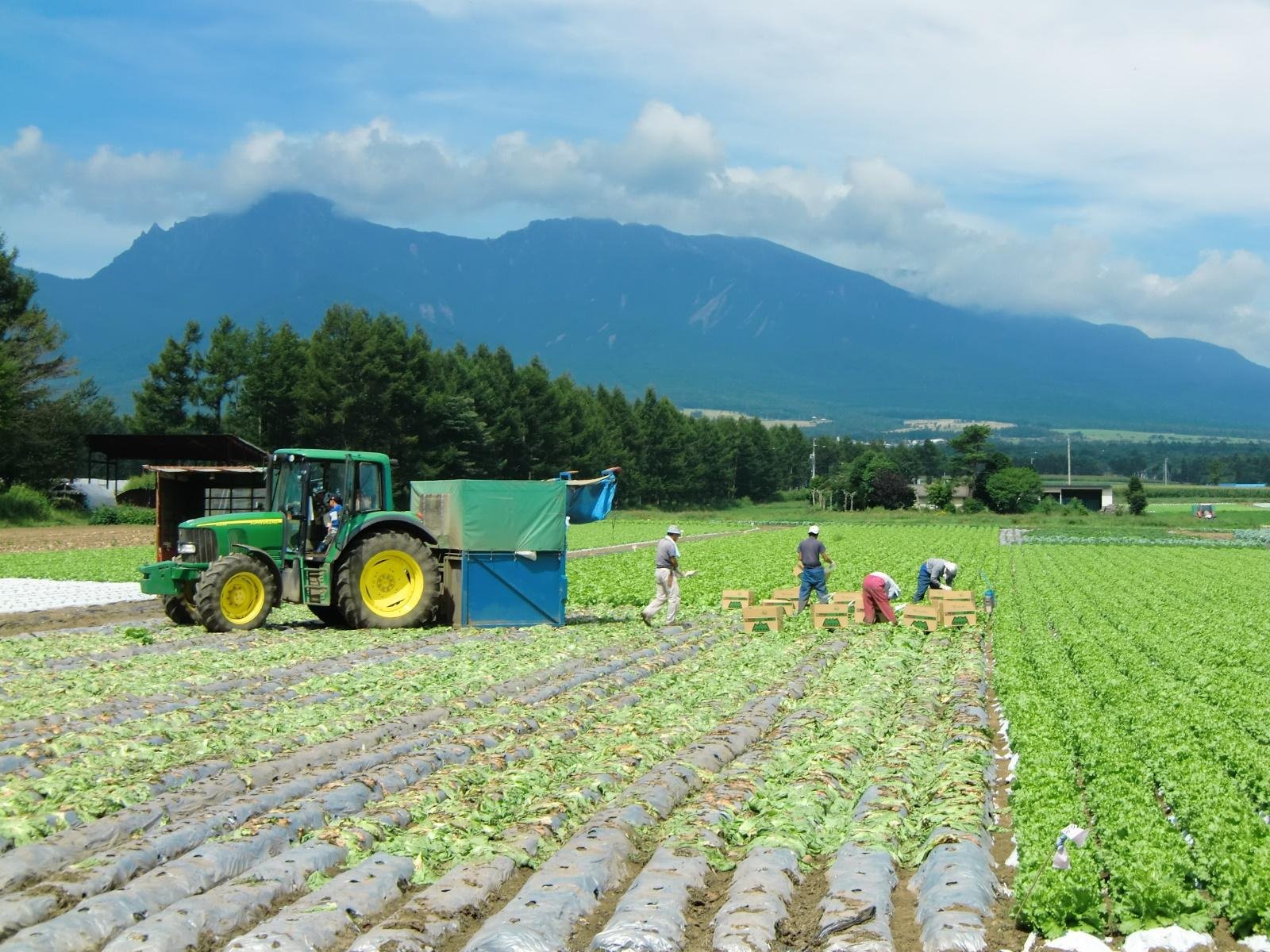
For decades, sugarcane tops and trash have largely been treated as low-value agricultural residues. Project Lion is built around a different proposition: agricultural waste can become a carbon feedstock for the aviation industry. The process begins with the gasification of sugarcane residues to produce synthesis gas, or syngas—a mixture that can serve as an intermediate building block for producing fuels and chemicals.
Nextchem's NX Circular Gasification technology will be used to convert the biomass into purified chemical-grade syngas. The resulting syngas will subsequently be processed into SAF and renewable diesel using downstream technologies. The significance lies in the feedstock. Unlike many early SAF projects dependent on used cooking oil and other waste fats, Project Lion is targeting a feedstock resource directly linked to Australia's agricultural economy.
That could reduce dependence on increasingly competitive global markets for waste oils while creating a new value stream for the sugar industry.
Australia’s biomass becomes a strategic energy asset
Australia has significant agricultural production, but converting agricultural residues into reliable industrial feedstocks presents a complex logistical challenge. Biomass is geographically dispersed, seasonal and costly to collect and transport. For Project Lion, the Burdekin region's established sugarcane industry could offer a concentrated source of feedstock.
The project's economics, however, will depend on whether sugarcane residues can be collected, aggregated and delivered to the facility at a cost that supports commercial fuel production. That challenge is central to the next phase of the bioeconomy.
Agricultural residues may be abundant in theory, but abundance does not automatically translate into an investable feedstock supply chain. The winners in biomass-based SAF could ultimately be those that solve the logistics equation as effectively as the technology equation.
Gasification expands the SAF feedstock universe
Project Lion also reflects growing interest in gasification as a pathway for converting difficult biomass resources into low-carbon fuels. Rather than relying on oils and fats, gasification can process carbon-rich solid materials and convert them into syngas for downstream fuel production.
That expands the potential feedstock universe to include crop residues, forestry residues and other forms of organic waste. For the SAF sector, diversification is becoming increasingly important.
The industry faces a fundamental supply challenge: global aviation demand is vast, while the availability of conventional SAF feedstocks is limited. Projects based on agricultural and forestry residues could therefore play a significant role in expanding future production capacity.
Project Lion's planned output of 125,000 tonnes of SAF annually would make it a significant example of this emerging biomass-to-fuel model.
A technology contract with bigger strategic implications
Nextchem's award covers licensing, engineering services and the process design package for the project's syngas section. For MAIRE and Nextchem, the Australian project also represents an opportunity to expand the geographic reach of their circular-carbon technologies. Fabio Fritelli, Managing Director of Nextchem, said the award reinforces the strategic relevance of the company's technologies for producing sustainable fuels from renewable and residual feedstocks.
Australia is becoming an increasingly important market in the global energy transition, particularly as it seeks to leverage its large agricultural and natural resource base to develop new low-carbon industries. For Nextchem, Project Lion offers an opportunity to position its gasification technology within that transition.
The real test: can biomass SAF scale economically?
Project Lion's potential production capacity is significant, but the project will ultimately be judged on execution. Biomass-based SAF projects face several interconnected challenges: securing long-term feedstock supplies, managing collection and transport costs, maintaining consistent feedstock quality and integrating multiple technology stages.
The conversion chain—from sugarcane residue to syngas and then to finished aviation fuel—is more complex than simply processing a conventional liquid feedstock. But it could offer a critical advantage: access to a much larger pool of renewable carbon.
The broader opportunity is therefore not simply to turn sugarcane waste into fuel. It is to establish a commercial model in which agricultural landscapes become decentralised suppliers of renewable carbon for industries that are difficult to electrify.
Sugarcane’s next product may not be sugar
For the Burdekin region, Project Lion points towards a potentially broader transformation of the sugar economy. Sugarcane production could generate value not only from sugar and conventional by-products, but also from the residues left behind in the field. If commercially successful, projects of this kind could create an additional revenue stream around biomass while reducing the practice of field burning.
For the global SAF industry, Project Lion offers a more important lesson. The race to scale sustainable aviation fuel will not be won by a single feedstock or technology. It will require regional solutions built around locally available resources. In North Queensland, that resource may be sugarcane residue. Project Lion is betting that what was once agricultural waste can become part of the fuel supply chain for one of the world's hardest-to-decarbonise industries.