
Nama Water Services is taking its reclaimed water strategy beyond conventional applications and into the emerging bioeconomy, launching a pilot project in Oman to cultivate camelina, an oilseed crop increasingly being explored as a feedstock for renewable fuels. The initiative, developed in partnership with Hema Energy, will examine whether camelina can be successfully cultivated under Oman's local climatic conditions while using reclaimed water supplied through Nama Water Services' Manhal Nama programme.
At its core, the project brings together two resource challenges: how to create greater value from treated water and how to develop new domestic sources of biomass for the clean-energy transition. Nama Water Services will provide the project site and reclaimed water required for cultivation, while Hema Energy will oversee implementation, technical management and day-to-day operations. The company will also be responsible for monitoring the project and analysing data in accordance with technical and environmental standards.
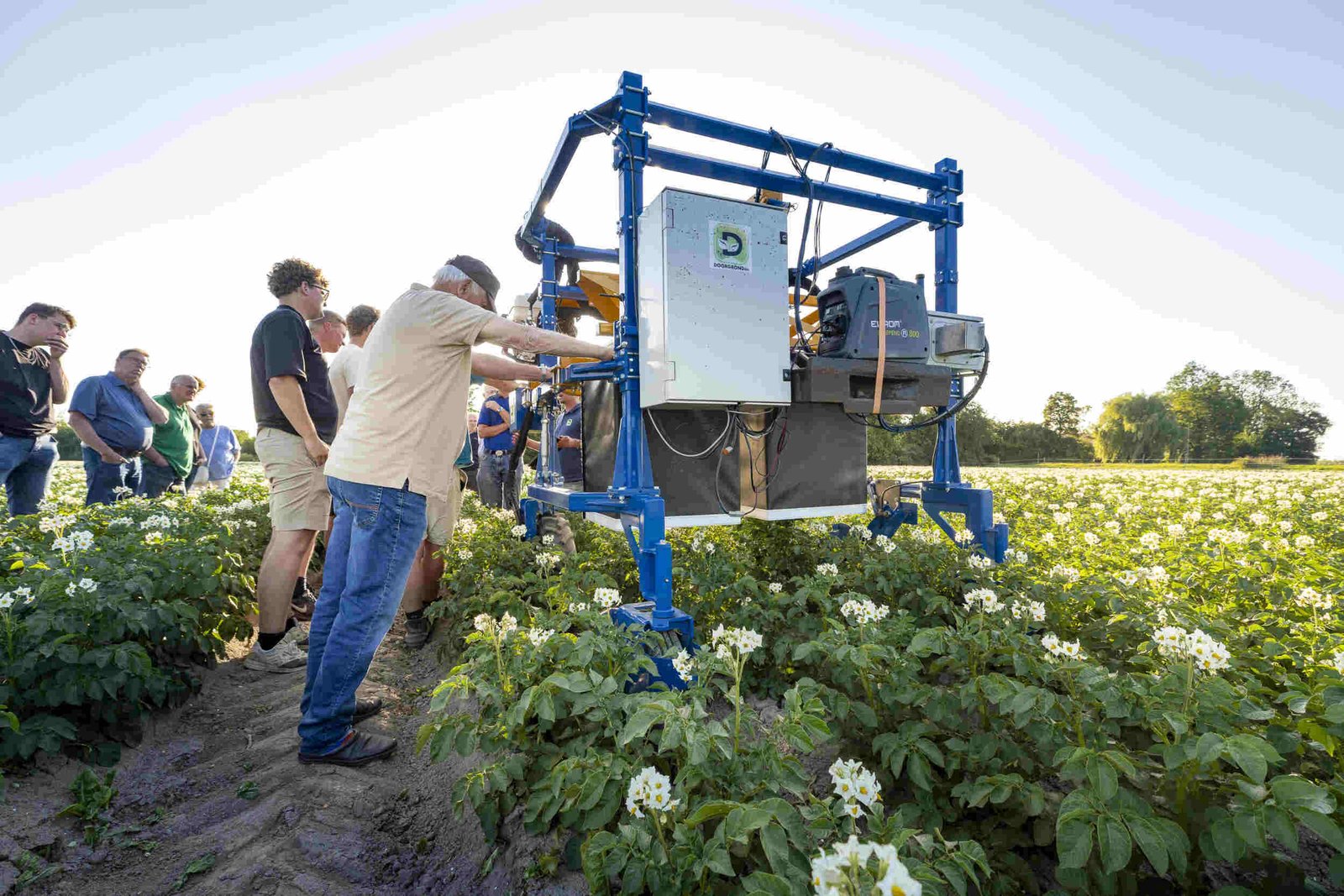
The pilot will assess several aspects of camelina cultivation, including its agricultural performance under local conditions, irrigation efficiency using treated water, soil and water quality, and the environmental benefits associated with the crop. The project will also evaluate camelina's potential to support biofuel production and generate carbon credits.
Camelina has attracted growing interest within the renewable fuels sector because of its potential to contribute biomass and oil-based feedstocks without directly competing with some conventional food crops. For Oman, the pilot could provide an opportunity to assess whether the crop can become part of a broader domestic renewable energy and biomass value chain. The project is also designed to test the wider role reclaimed water could play in supporting productive economic activity. Rather than treating reclaimed water simply as an output of the wastewater cycle, Nama Water Services is positioning it as a resource that can support agriculture, environmental initiatives and new forms of green industrial development.
Several national institutions will support the project. Sultan Qaboos University will contribute scientific, research and technical expertise, while Oman's Environment Authority will oversee environmental compliance. The Oman Net Zero Centre will support alignment with the Sultanate's net-zero ambitions and initiatives related to carbon sinks.
The involvement of academic, environmental and climate institutions gives the pilot a broader mandate than a conventional agricultural trial. The project is expected to generate data that could help determine whether treated water can be deployed at a larger scale for commercial agricultural applications while supporting the development of renewable energy feedstocks. If the pilot produces favourable results, its implications could extend beyond camelina itself. The findings are expected to inform future decisions around expanding the commercial use of reclaimed water and developing sustainable value chains around biomass, biofuels and renewable energy.
The initiative also aligns with broader efforts to strengthen water and food security while reducing carbon emissions and accelerating the transition towards cleaner sources of energy. For Nama Water Services, the camelina project represents a new application for the Manhal Nama programme and a shift towards extracting greater environmental and economic value from reclaimed water resources.
For Oman, it could offer an early blueprint for connecting water reuse with low-carbon agriculture and renewable fuel production. The success of the pilot will ultimately depend on how camelina performs in local conditions, but the project is designed to answer precisely that question—whether a resource already available through the country's water infrastructure can help create a new pathway for biomass, biofuel and carbon-value development. As the Sultanate pursues its net-zero ambitions, the project could demonstrate how infrastructure traditionally associated with water management can play a wider role in supporting the green economy.