Global oilseed production is projected to reach an unprecedented 721.9 million tonnes in the 2026/27 crop year, strengthening the supply outlook for biodiesel, renewable diesel and sustainable aviation fuel (SAF) manufacturers amid expanding demand for lower-carbon fuels.
The latest estimates from the US Department of Agriculture (USDA) indicate that global oilseed output will increase by nearly 3 per cent year on year, supported by higher production of soybeans, rapeseed and sunflower seeds. The projected expansion could provide greater availability of vegetable oil feedstocks at a time when renewable fuel producers are seeking to secure long-term supplies for expanding production capacity.
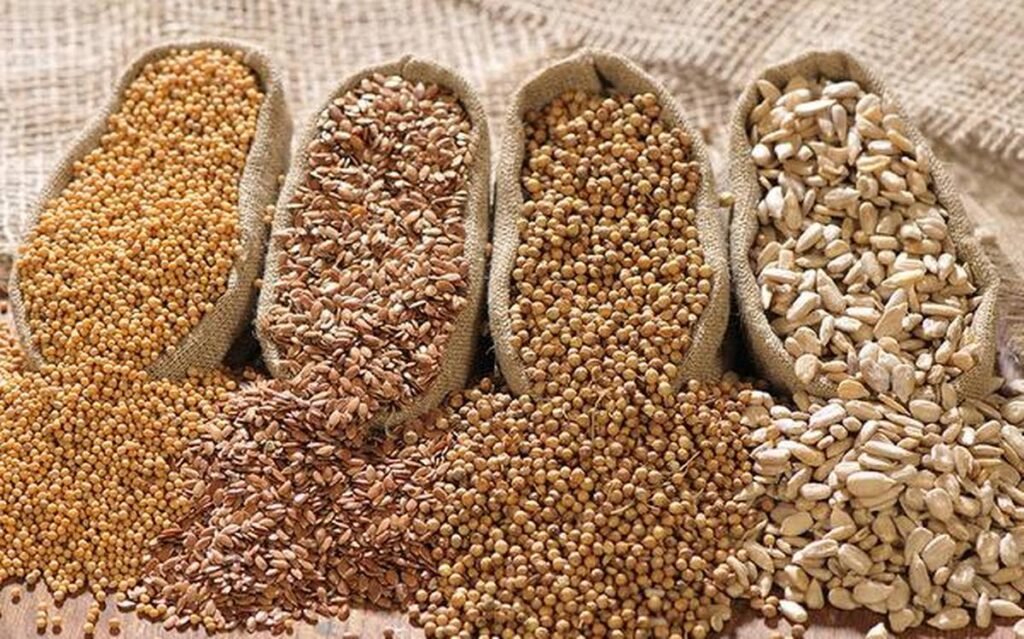
Global rapeseed production is forecast to rise by more than 4 per cent to 100.2 million tonnes, while sunflower seed output is expected to increase by 14 per cent to a record 63.2 million tonnes. Soybean production is projected to grow by just over 3 per cent to 442.5 million tonnes, further reinforcing its position as a major contributor to the global vegetable oil supply chain.
The increase in output across these three crops is expected to outweigh an anticipated 4 per cent decline in palm kernel production, which is forecast at 20.5 million tonnes. Agrarmarkt Informations-Gesellschaft (AMI) notes that the combined expansion in rapeseed, soybean and sunflower seed harvests is expected to take global oilseed production to a new high.
The production outlook carries significant implications for the global biofuels industry. Vegetable oils remain important feedstocks for conventional biodiesel, hydrotreated vegetable oil (HVO)-based renewable diesel and SAF production. As governments strengthen decarbonisation targets and fuel producers expand capacity, the availability and economics of agricultural feedstocks are becoming increasingly important to the sector's growth trajectory.
However, higher oilseed output does not automatically translate into proportionate growth in biofuel feedstock availability. Food consumption, animal feed demand, crushing capacity, trade flows and competing industrial uses will continue to influence how much vegetable oil reaches the renewable fuels market. Nevertheless, the projected record harvest offers a more favourable supply backdrop for biofuel manufacturers navigating an increasingly competitive global feedstock market.