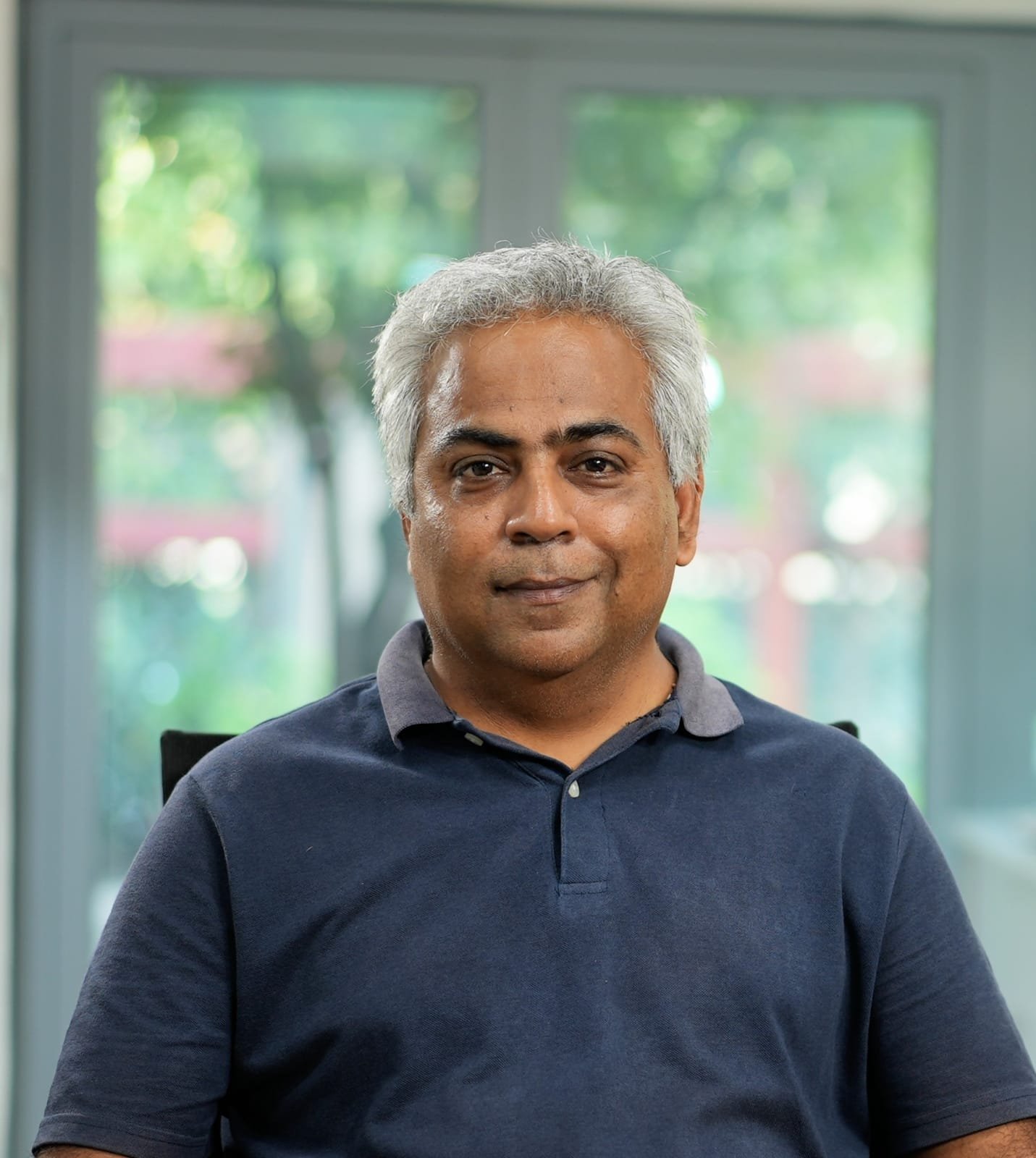
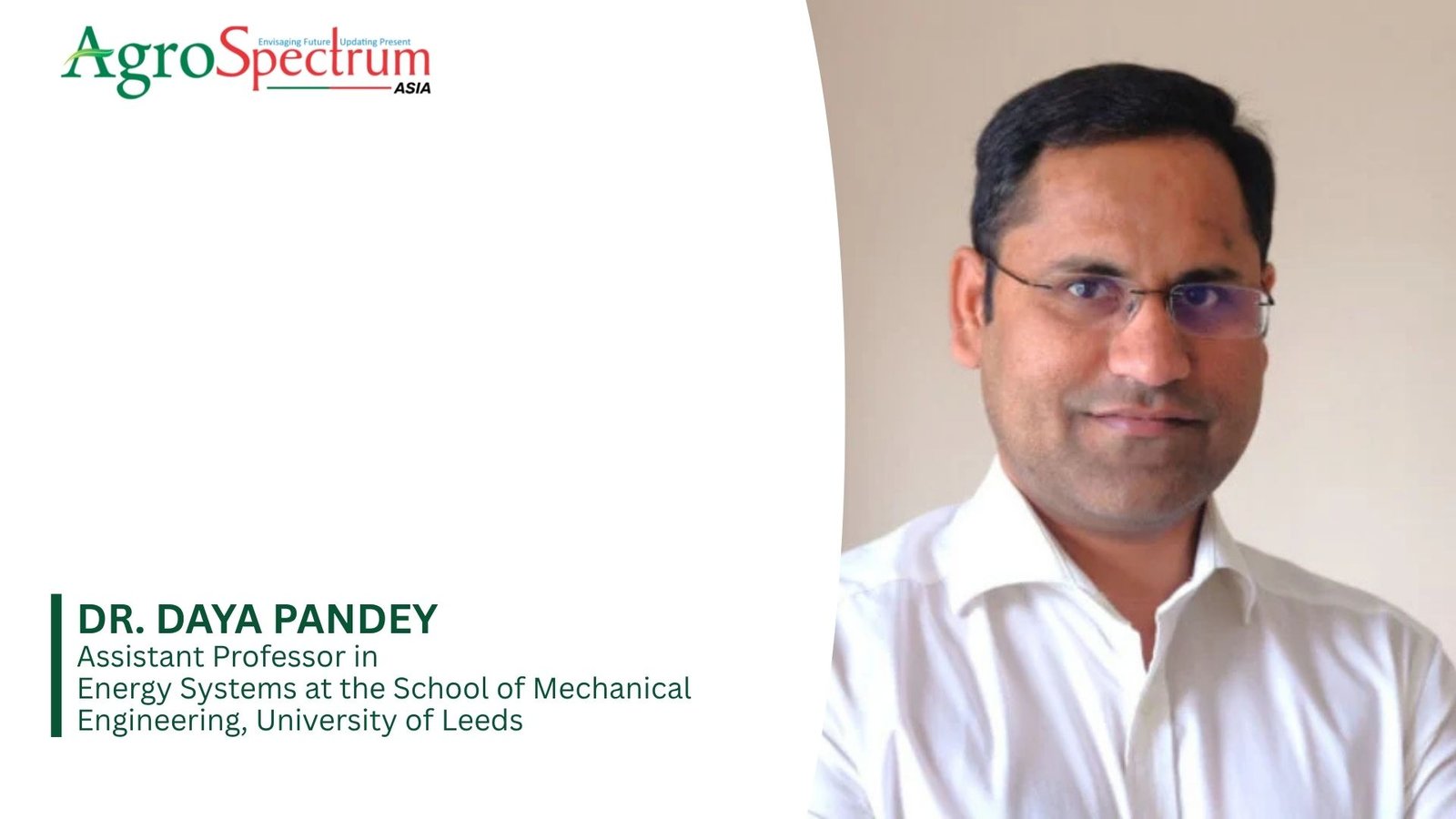
In this insightful Agrospectrum interview, Dr. Daya Pandey, Assistant Professor in Energy Systems at the University of Leeds, presents a compelling roadmap for transforming India's waste management ecosystem into a cornerstone of the circular bioeconomy. Drawing on his expertise in energy systems, climate policy and resource recovery, he explains why waste must be viewed not merely as a sanitation challenge but as a strategic economic, environmental and public health priority. The conversation explores practical pathways for tackling agricultural residue burning, scaling waste-to-energy solutions and strengthening India-UK research collaborations to accelerate sustainable innovation. Dr. Pandey also underscores the importance of locally adapted solutions, evidence-based policymaking and integrated infrastructure in achieving India's net-zero ambitions. His perspectives offer valuable insights for policymakers, industry stakeholders and researchers seeking to build a more resource-efficient and climate-resilient future.
India’s urban waste burden is projected to rise dramatically by 2050. In your view, what are the biggest structural weaknesses in India’s current waste management ecosystem that prevent cities from transitioning toward circular and low-emission models?
A major barrier to building a more sustainable waste management system in India is the continued dependence on a linear consumption model, where resources are extracted, used, and ultimately discarded rather than recovered and circulated back into the economy. Although important policy measures have been introduced to promote better waste management practices to support the transition from a linear to a circular economy approach, nevertheless, their implementation varies considerably across regions. Many urban centres still struggle with challenges such as inadequate source segregation, inefficient collection systems, limited processing capacity, and a lack of reliable data to support informed planning and decision-making. Addressing these gaps will be critical to enabling the transition towards more circular and low-emission urban systems.
Another structural weakness is the fragmentation of responsibilities across multiple agencies, which often limits coordinated action. Informal waste workers play a crucial role in material recovery, yet they remain insufficiently integrated into formal waste management systems. To transition towards circular and low-emission models, India will need stronger institutional coordination, investment in decentralised infrastructure, improved material recovery systems, and greater emphasis on viewing waste as a resource rather than a liability.
Your research highlights the intersection of waste management, public health, and climate policy. How critical is it for India to stop treating municipal waste purely as a sanitation issue and instead frame it as a national economic and environmental priority?
This shift in perspective is essential. Municipal waste is not merely a sanitation concern; it is simultaneously a public health issue, a climate challenge, and an economic opportunity. Poorly managed waste contributes to air pollution, water contamination, greenhouse gas emissions, and adverse health outcomes, particularly among vulnerable populations.
At the same time, waste streams contain valuable resources that can be recovered through recycling, energy generation, composting, and other circular economy approaches. By framing waste management as an economic and environmental priority, policymakers can unlock investments, stimulate innovation, create jobs, and contribute to broader sustainability goals. Such an approach also aligns closely with India's commitments to climate action and sustainable urban development and is framed in the recently adopted Solid Waste Management Rules (2026), focusing on minimising landfill and promoting source segregation.
Agricultural residue burning remains one of India’s most persistent environmental challenges. What policy or technological interventions do you believe can realistically persuade farmers to shift away from stubble burning at scale?
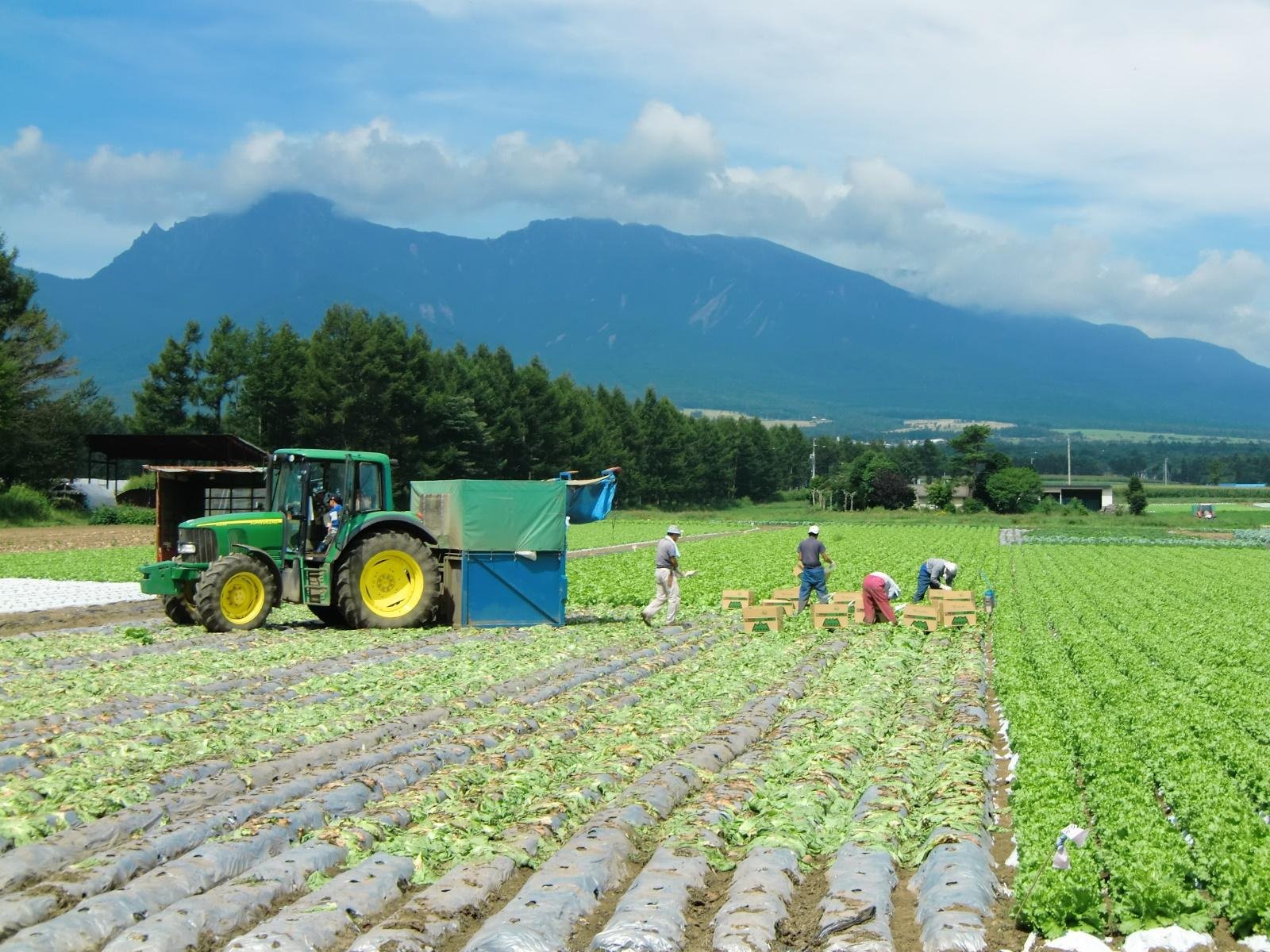
Addressing stubble burning requires recognising the economic realities faced by farmers. Many farmers resort to residue burning because it is the fastest and least expensive option available within the narrow window between harvesting and preparing the farmland for the next crop. Therefore, sustainable alternatives must be both practical and economically attractive.
A combination of policy incentives and market-based mechanisms is likely to be most effective. This includes supporting access to residue management machinery, developing robust biomass supply chains, creating demand for agricultural residues in bioenergy and bio-based industries, and providing financial incentives for sustainable residue management practices. Technology certainly has a role to play, but long-term success will depend on ensuring that alternative solutions are affordable, accessible, and beneficial to farmers' livelihoods.
The studies emphasize that there is ‘no silver bullet’ for India’s waste crisis. Given the country’s vast socio-economic diversity, how important are locally adapted solutions compared to large national policy frameworks?
Both are necessary, but they serve different purposes. National policy frameworks provide strategic direction, regulatory consistency, and investment signals. However, waste generation patterns, infrastructure capacity, governance structures, and socio-economic conditions vary significantly across India.
As a result, locally adapted solutions are often essential for achieving meaningful outcomes. What works effectively in a metropolitan city may not be suitable for a smaller municipality or rural district. Successful waste management strategies should therefore combine national-level guidance with flexibility for local innovation. This balance allows communities to develop solutions that reflect their specific environmental, economic, and social contexts while still contributing to broader national sustainability goals.
India has committed to achieving net-zero emissions by 2070. From your perspective, can waste-to-energy systems, circular bioeconomy models, and agricultural residue utilisation emerge as commercially viable pillars of India’s decarbonisation strategy?
These approaches have significant potential, but their success will depend on appropriate implementation and integration within wider sustainability frameworks. Waste-to-energy systems can help reduce landfill dependence and recover energy from non-recyclable waste streams, although they must be supported by effective segregation and emissions controls.
Similarly, circular bioeconomy models offer opportunities to convert agricultural residues, organic waste, and other biomass resources into alternative fuels including green hydrogen, chemicals, materials, and energy. India generates approximately 178 million tonnes of surplus agricultural residue per year, which presents a significant opportunity to be used as a raw material in the generation of renewable hydrogen and could play an important role in achieving the targets of India’s National Green Hydrogen Mission (NGHM). As technologies mature and supply chains develop, these solutions can contribute meaningfully to emissions reduction while supporting rural economic development.
Rather than viewing them as standalone solutions, it is more useful to consider them as complementary components of a broader decarbonisation strategy that includes renewable energy, resource efficiency, sustainable consumption, and circular economy principles.
International research partnerships are increasingly shaping climate and sustainability policy discussions. What distinct strengths do collaborations between UK institutions and Indian research bodies bring to solving complex environmental challenges?
Climate and sustainability challenges are inherently global, yet their impacts are often highly localised. Collaborations between UK and Indian institutions bring together complementary strengths that can accelerate innovation and evidence-based policymaking.
The UK contributes extensive expertise in climate modelling, systems analysis, policy development, and advanced research methodologies. India offers valuable experience in implementing solutions at scale within highly diverse and rapidly evolving socio-economic contexts. When these strengths are combined, researchers can develop more robust, practical, and scalable approaches to environmental challenges. Such partnerships also facilitate knowledge exchange, capacity building, access to diverse datasets, and the co-development of solutions that are both scientifically rigorous and locally relevant.
Rapid urbanisation, rising incomes, and changing consumption patterns are fundamentally altering India’s waste composition. How urgently must policymakers rethink urban infrastructure planning to avoid a long-term environmental and public health crisis?
The need is immediate. Urbanisation and economic growth are increasing both the volume and complexity of waste generated across Indian cities. Without proactive planning, existing infrastructure could become increasingly overwhelmed, leading to environmental degradation, public health risks, and escalating economic costs.
Future urban infrastructure planning must move beyond conventional waste collection and disposal models. Cities should invest in integrated systems that prioritise waste prevention, material recovery, recycling, resource efficiency, and circular economy principles. Digital technologies, decentralised treatment systems, and improved data management can also play an important role in enhancing efficiency and resilience. The decisions made today will significantly influence the environmental sustainability and quality of life in India's cities for decades to come.
Beyond research publications and academic collaboration, what tangible policy outcomes or industry transformations do you hope these India-UK partnerships can influence over the next ?
The ultimate objective of research collaboration should be real-world impact. Over the next decade, I hope to see stronger evidence-based policymaking, greater adoption of circular economy practices, and accelerated deployment of sustainable technologies across sectors such as waste management, energy, and agriculture.
These partnerships can help inform regulatory frameworks, support pilot projects that demonstrate scalable solutions, and strengthen links between academia, industry, and government. They can also contribute to workforce development by equipping future researchers, engineers, and policymakers with the skills needed to address emerging sustainability challenges.
Most importantly, I hope these collaborations contribute to practical solutions that improve environmental quality, support economic development, and enhance public well-being, both in India and internationally.
-- Suchetana Choudhury (suchetana.choudhuri@agrospectrumindia.com)