BASF’s vegetable seeds business, operating under the Nunhems brand, has completed a new automated greenhouse facility in ’s-Gravenzande, the Netherlands, strengthening its capacity to develop lettuce varieties for advanced indoor cultivation systems. The investment is designed to expand breeding capabilities for high-tech lettuce production, particularly the growing teen leaf segment. The facility’s automated greenhouse system will allow breeders to evaluate more breeding material using fewer seeds, generate larger and more robust datasets earlier in the development process, and make selection decisions with greater speed and precision.
The investment reflects a broader shift in vegetable breeding, where controlled-environment agriculture is creating demand for varieties tailored to specific production systems. As indoor growers seek consistent performance from high-density cultivation, seed developers face growing pressure to deliver varieties suited to tightly managed growing conditions.
Automation brings greater precision to lettuce breeding
The new system expands the existing capabilities of BASF | Nunhems’ breeding station, enabling researchers to assess a larger volume of breeding material at an earlier stage. More comprehensive data can help breeders identify promising candidates sooner, potentially shortening the path from initial selection to commercial variety development.
Peter Does, Product Developer at BASF | Nunhems, said the investment would strengthen the company’s ability to develop and select varieties for one of the fastest-growing segments of the global lettuce market. He added that innovation remained essential as high-tech lettuce production expands and growers’ requirements evolve.
The facility’s focus on data-driven selection also highlights the role of automation in modern plant breeding. By improving the efficiency of evaluating breeding material, the system is intended to support more informed decisions while making better use of seeds and breeding resources.
High-tech cultivation shapes the next generation of lettuce varieties
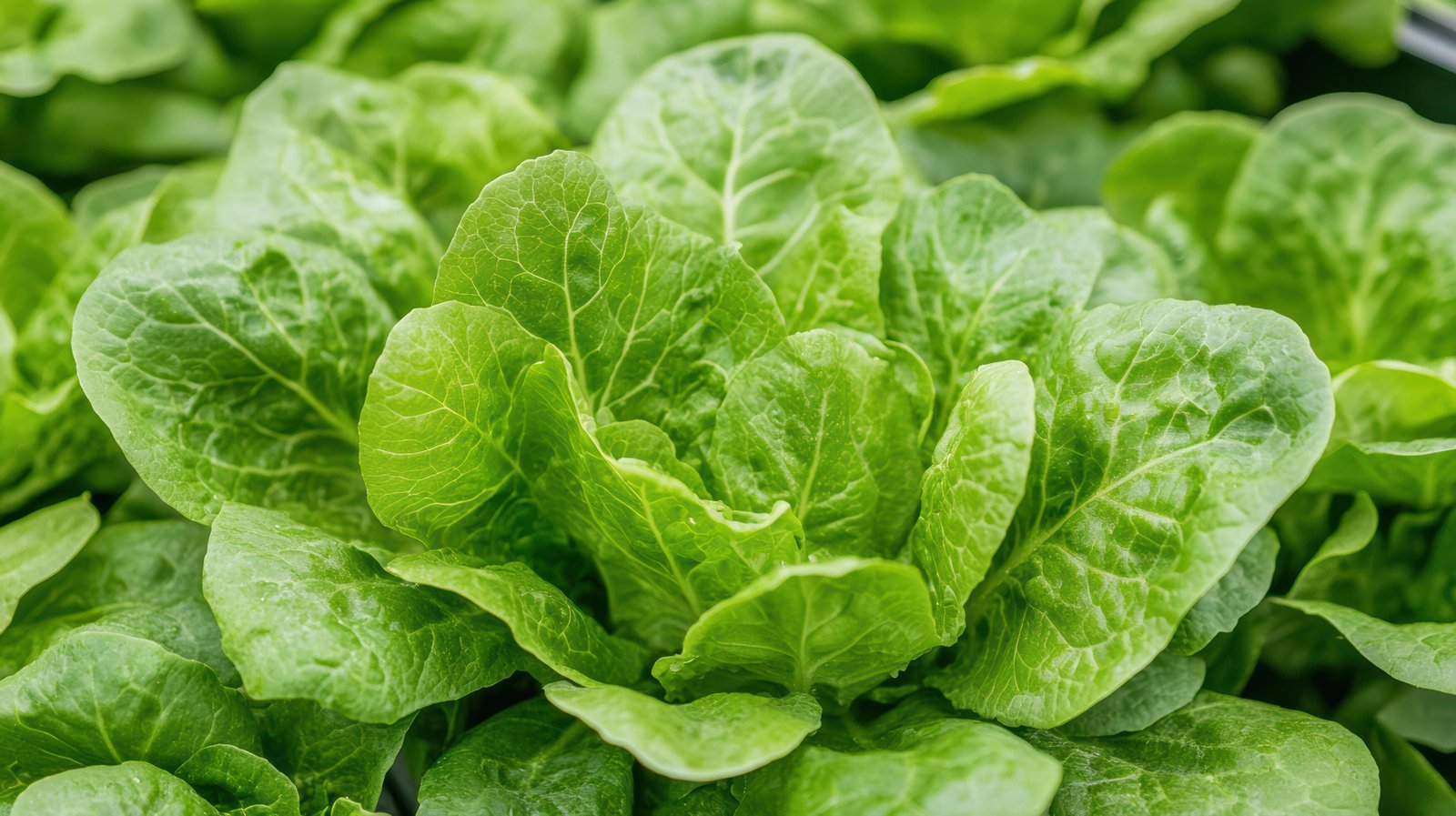
The greenhouse will focus on high-tech teen leaf lettuce, a segment expanding alongside the adoption of controlled-environment production systems. These systems enable growers to manage growing conditions and cultivate lettuce at high density, creating specific requirements for variety performance.
BASF | Nunhems has been involved in the segment since its early development, working with pioneering growers to develop varieties suited to advanced indoor production. Its Finstar and Arcticstar varieties reflect this experience and are used in some of the world’s most advanced indoor lettuce cultivation systems, according to the company.
As indoor farming develops, the ability to match seed genetics to cultivation conditions is becoming increasingly important. Breeding programmes must account for the requirements of high-density systems while delivering the performance growers need from their production operations.
’s-Gravenzande strengthens its role as a breeding hub
The investment marks another step in the development of the ’s-Gravenzande breeding station as BASF | Nunhems’ dedicated centre for lettuce breeding and product development.
The additional capacity is expected to help the company evaluate more breeding material, identify promising selections earlier and bring new varieties to market more efficiently.
The commercial impact will depend on how effectively the expanded breeding capabilities translate into varieties that meet growers’ needs across different high-tech production environments. For BASF | Nunhems, the new greenhouse strengthens the infrastructure supporting that effort as controlled-environment cultivation creates new opportunities—and more specialised demands—for vegetable seed innovation.