The Philippines is taking five agricultural value chains to international investors in a bid to mobilise $57.4 million for agrifood projects designed to improve farmer incomes, create rural employment and strengthen resilience to climate risks.
Presented at the Food and Agriculture Organization of the United Nations’ Hand-in-Hand Investment Forum in Rome, running from 13 to 16 October 2026, the investment portfolio covers coffee, seaweed, mango, jackfruit and cocoa. The proposals combine commercial return potential with development objectives, positioning agricultural investment as a means of strengthening rural economies as well as expanding production and processing capacity.
The portfolio projects an average internal rate of return of 24.6 per cent and a net present value of $42.2 million. These are projected investment metrics, rather than realised returns, and the eventual outcomes will depend on financing, implementation and market conditions.
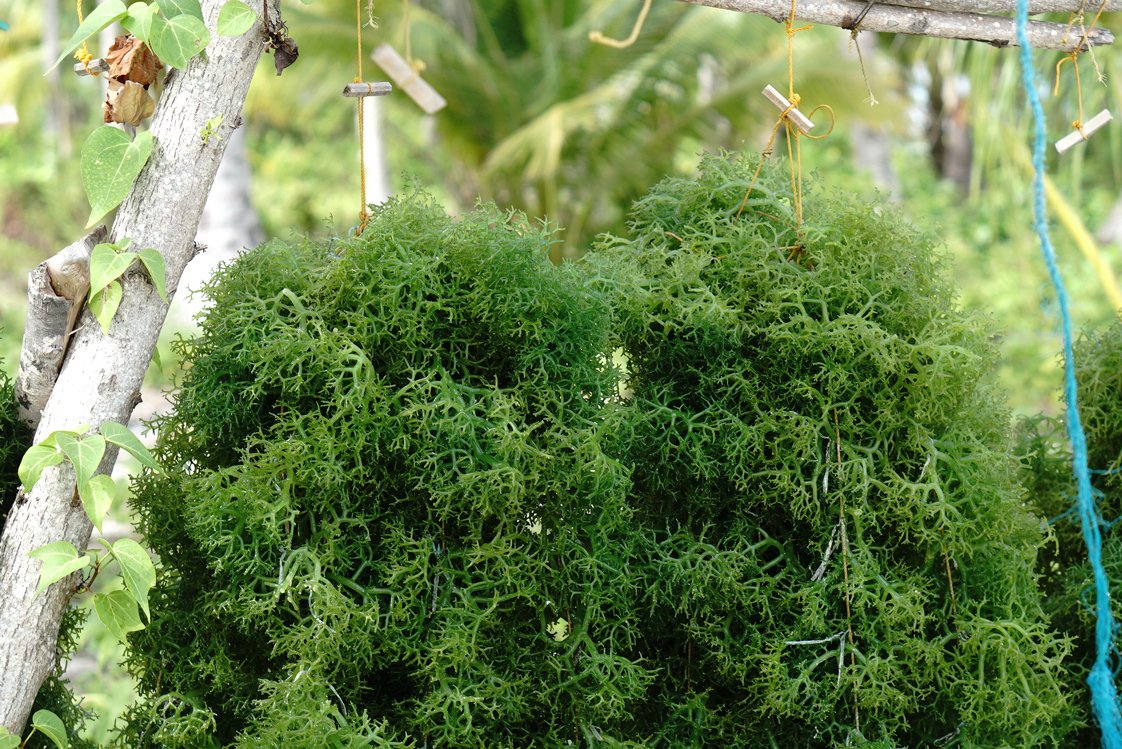
Coffee and seaweed account for the largest funding requirements, at approximately $26.4 million and $24.8 million, respectively. The remaining proposals focus on opportunities such as processing, machinery and value-added products for mango, jackfruit and cocoa.
The proposals were developed by the Philippines’ Department of Agriculture, FAO and the Asian Development Bank. Their presentation to international financial institutions and private investors is intended to help convert agricultural development priorities into financeable projects.
Coffee and seaweed dominate funding requirements
The portfolio’s concentration in coffee and seaweed highlights the importance of mobilising capital across distinct agrifood production and market systems. Together, the two value chains account for approximately $51.2 million of the proposed $57.4 million investment requirement.
The other projects focus on strengthening the processing and value-addition potential of mango, jackfruit and cocoa. Investment in machinery and processing could help agribusinesses move beyond the sale of raw commodities, creating opportunities to retain more value within domestic supply chains.
However, attracting capital will require more than identifying promising sectors. Investors will need clarity on project economics, market access, operational risks and the mechanisms through which farmers, fishers and agrifood enterprises will participate in the resulting value chains.
Linking commercial returns with rural development
The investment programme is designed to generate financial returns alongside measurable economic, social and environmental benefits. Its stated objectives include improving rural livelihoods, expanding market access, strengthening climate resilience and potentially reducing greenhouse gas emissions.
Lionel Dabbadie, FAO representative in the Philippines, said food security, rural prosperity and climate resilience require investment at scale rather than isolated interventions. He highlighted the role of partnerships among government, private businesses and international organisations in reducing investment risks and improving livelihoods.
Agriculture Secretary Francisco Tiu Laurel Jr. said the Department of Agriculture would continue working with FAO and other partners to develop inclusive solutions that expand opportunities for farmers and fisherfolk while strengthening resilience.
The approach reflects a broader financing challenge for agriculture: public funding and development assistance alone may not be sufficient to meet the capital requirements of modernising production, expanding processing and improving market connections. Mobilising private investment could widen the funding base, provided projects offer credible commercial prospects and deliver tangible benefits to producers.
From investment proposals to financing commitments
The Philippines’ participation in the Rome forum builds on its first Hand-in-Hand National Investment Forum, held in March. That event brought together the Department of Agriculture, the Ministry of Agriculture, Fisheries and Agrarian Reform of the Bangsamoro Autonomous Region in Muslim Mindanao, FAO, ADB, financial institutions and private-sector representatives. The earlier forum provided a platform to present proposals, engage potential financiers and explore ways to turn agricultural priorities into viable investments. The Rome forum extends that effort to an international pool of investors and financing institutions.
The immediate challenge is to translate investor interest into commitments, establish suitable financing arrangements and implement projects with measurable outcomes. The projected returns may strengthen the portfolio’s appeal, but successful execution will depend on how effectively financial structures, commercial opportunities and development objectives are aligned.
For the Philippines, the initiative represents an attempt to build a more diversified agricultural financing model—one that combines public resources, development finance and private capital. Its ultimate test will be whether the proposed investments deliver sustainable commercial returns while improving the economic prospects of the farmers, fishers and enterprises that underpin the country’s agrifood system.