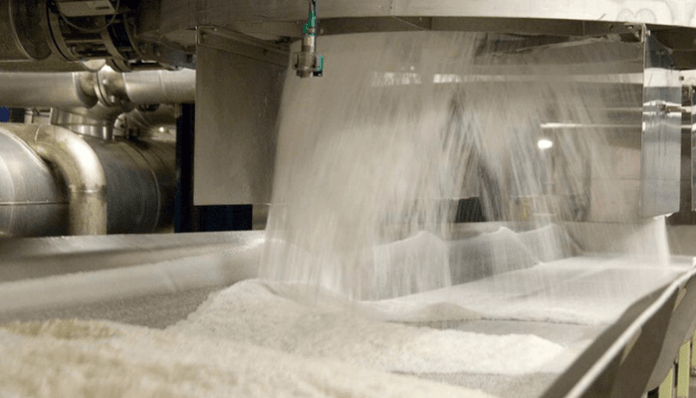
Nigeria is preparing a major investment push aimed at strengthening its sugar industry and reducing the country’s long-standing reliance on imported sugar. The Nigerian Sugar Development Council recently said it had assembled an investment pipeline exceeding $1 billion for large-scale sugarcane cultivation and supporting sugar-processing projects, according to Nigerian media reports cited by CCM.Nigeria-Secures-a-1-Billion-Sugar-Industry-EPC-Investment-from-a-Chinese-Company-CCM-Cnchemicals.pdf
The initiative comes as Nigeria’s domestic sugar industry remains far below the scale of national demand. The country consumes approximately 1.8 million tonnes of sugar annually, while average domestic production is estimated at only around 40,000 tonnes. The resulting supply gap is largely filled through imports, with more than $1 billion reportedly flowing overseas each year to meet domestic requirements. At the centre of the investment plan is a proposed $1 billion EPC-plus-financing cooperation project being advanced by the Nigerian Sugar Development Council with a Chinese company. The partnership is intended to combine engineering and construction capabilities with project financing, creating a more integrated route for developing sugarcane farms and sugar mills.
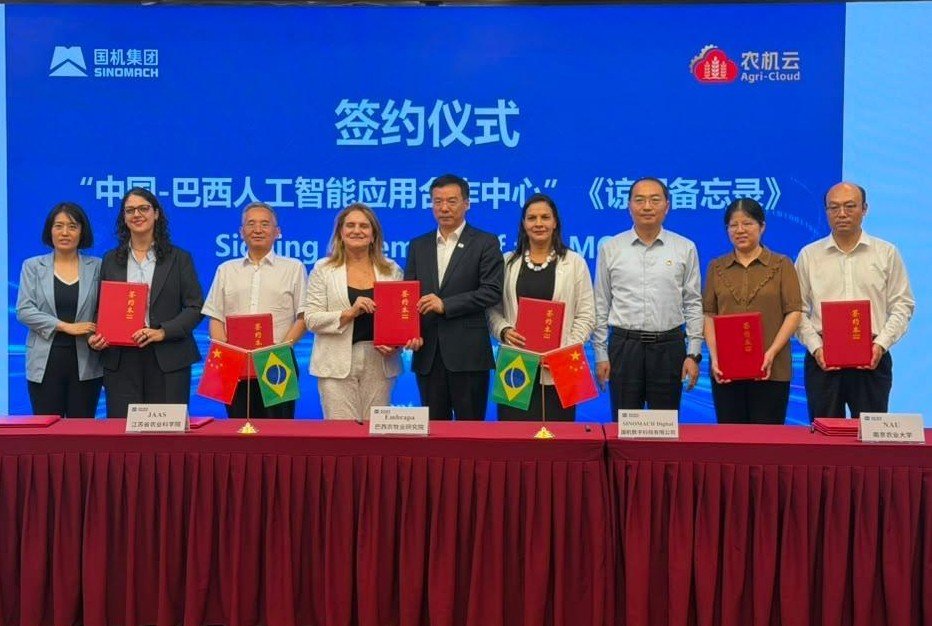
The two sides signed a memorandum of cooperation in April 2025. The initial plan envisaged the development of sugarcane cultivation bases and related sugar-processing facilities.
The first phase is expected to establish a production base with annual sugar output of approximately 100,000 tonnes, with capacity potentially expanded in subsequent stages. The project is designed to combine plantation development with processing infrastructure rather than treating sugarcane cultivation and milling as separate investments.
The proposed structure differs from a conventional EPC contract. In addition to undertaking engineering design, procurement and construction, the Chinese partner is expected to participate in project financing. That arrangement could help address one of the main challenges facing large agricultural-industrial projects: the gap between project conception and financial closure.
Financing the sugar expansion
Alongside the proposed Chinese partnership, the Nigerian Sugar Development Council and the Bank of Industry of Nigeria have established a 10 billion naira Sugar Project Acceleration Fund.
The fund is intended to support feasibility studies, project design and early-stage development work for new sugar-industry projects. By helping projects reach a more advanced stage of preparation, the facility could improve their ability to secure financing from commercial banks, development institutions and investment funds.
Agricultural infrastructure projects often struggle to attract capital when feasibility work, land assessment, irrigation planning, farm design, logistics and processing requirements remain incomplete. A project-preparation fund can reduce that early-stage risk and create a larger pipeline of investment-ready opportunities.
The broader objective is to move the sugar industry from isolated proposals towards a more structured project-development ecosystem. According to the Nigerian Sugar Master Plan 2.0, Nigeria aims to increase domestic sugar production to approximately 2 million tonnes, enough to meet or exceed current consumption of around 1.8 million tonnes.
The Nigerian Sugar Development Council estimates that achieving this production target will require several billion dollars of investment across the industry. The funding requirement would cover land development, irrigation, sugarcane cultivation, farm machinery, roads, storage, power, sugar mills and related infrastructure. The proposed $1 billion Chinese cooperation project and the 10 billion naira acceleration fund would therefore represent important components of a much broader national investment requirement.
Linking imports to local production
Nigeria is also preparing to strengthen the connection between raw-sugar import quotas and domestic production commitments. Under the proposed approach, sugar-refining companies receiving raw-sugar import quotas would be required to submit audited local-production targets and demonstrate actual progress in sugarcane cultivation and sugar-processing projects.
The policy would seek to ensure that access to imported raw sugar is linked to measurable investment in domestic agricultural and industrial capacity. Rather than allowing import dependence to remain disconnected from local production, the framework would place greater emphasis on long-term development commitments.
The Nigerian Sugar Development Council also plans to use satellite remote sensing and on-site inspections to verify sugarcane cultivation areas and monitor project construction. The approach would represent a shift away from a regulatory system that relies primarily on self-reported information from companies. Satellite-based monitoring could provide independent evidence of cultivated acreage, while field inspections could verify farm infrastructure, processing capacity and construction progress.
The effectiveness of the system will depend on the quality of the data, the frequency of verification and the consequences attached to missed production or cultivation commitments.
Beyond sugar production
Nigeria’s strategy is not limited to producing more sugar. The Nigerian Sugar Development Council is also seeking to develop a broader bioindustry based on sugarcane and its by-products. Potential areas include ethanol, animal feed and power generation. Sugarcane cultivation and milling can generate multiple commercial outputs, including molasses, bagasse, press mud and other biomass streams.
Molasses can support ethanol production. Bagasse can provide renewable process heat and electricity. Agricultural residues can potentially support biogas, compressed biogas and other bioenergy applications. Processing by-products can also contribute to animal-feed and fertiliser markets.
The development of a sugarcane-based bioindustry could improve the economics of the sugar sector by creating several revenue streams around the same crop. It could also help Nigeria connect agricultural development with energy security, industrialisation and rural employment.
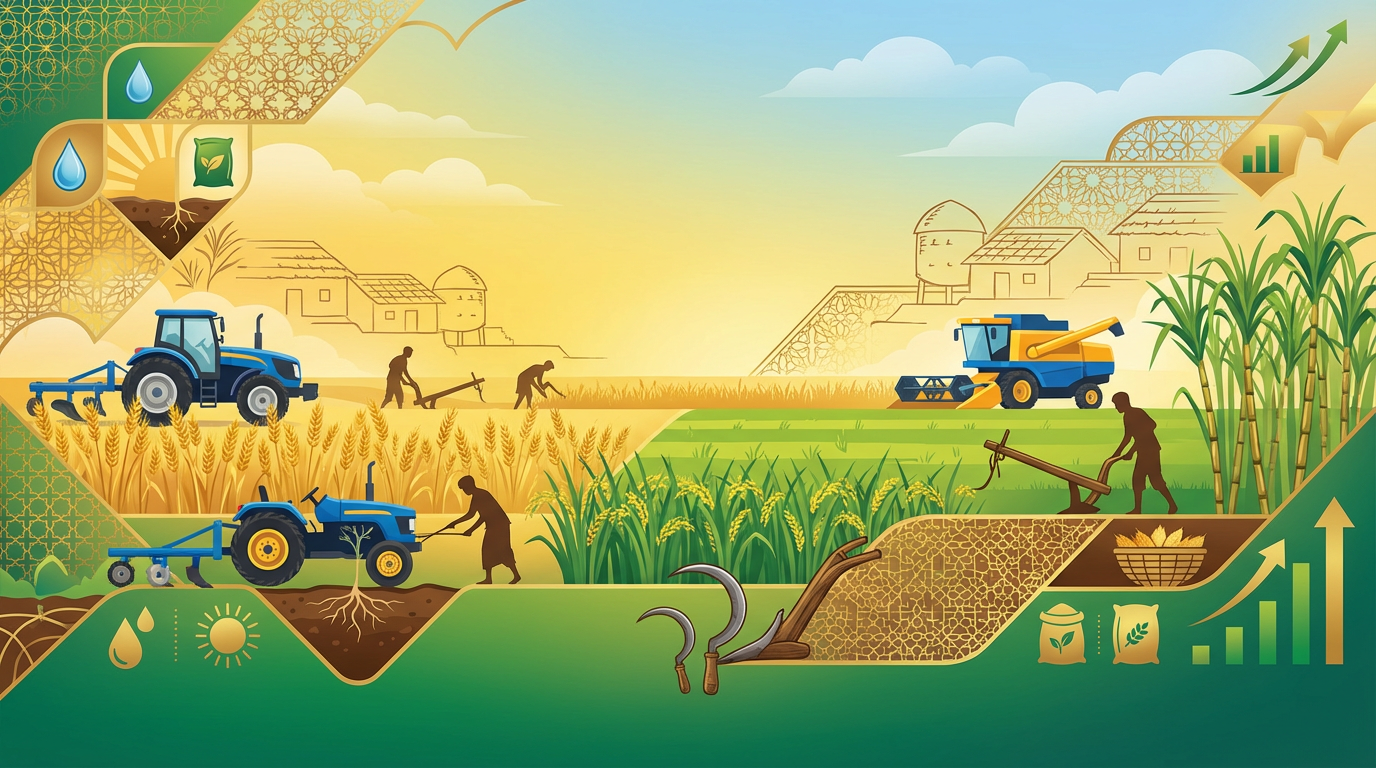
For the model to succeed, however, cultivation and processing must be planned as an integrated system. Sugar mills need reliable cane supply, while farmers need dependable procurement, access to inputs, irrigation, technical assistance and timely payment. Large-scale sugar projects also require substantial infrastructure. Roads, water systems, electricity, storage and transport must connect farms with mills and mills with domestic markets.
Commercial execution remains the test
Nigeria has one of Africa’s larger sugar-consumption markets, but domestic supply capacity remains limited. The opportunity is therefore clear: a successful expansion programme could reduce imports, retain foreign exchange within the country and create new industrial and rural-economy opportunities.
The challenge is execution.
The proposed $1 billion Chinese cooperation project must be converted from a planned partnership into functioning sugarcane farms, irrigation systems and sugar mills. The 10 billion naira project fund must generate a pipeline of projects capable of reaching financial closure. Domestic production commitments must be independently monitored, and import-linked obligations must be implemented transparently. The production target of approximately 2 million tonnes will require more than new milling capacity. It will require sustained agricultural productivity, reliable cane supply, modern processing, competitive operating costs and access to markets.
The bioindustry ambition also requires commercial discipline. Ethanol, animal feed and power generation can improve project returns, but each product needs technology, investment, customers, regulatory approvals and dependable logistics. Nigeria’s sugar strategy is therefore moving from import substitution towards integrated agricultural-industrial development. The proposed Chinese EPC and financing partnership could provide a significant catalyst, while the Sugar Project Acceleration Fund could help create a broader pipeline of investable projects.
The outcome will ultimately depend on whether financial commitments translate into cultivated hectares, operating mills and measurable domestic output. If that happens, Nigeria could begin to reduce its dependence on imported sugar while creating a more diversified sugarcane economy built around food, fuel, feed and renewable power.