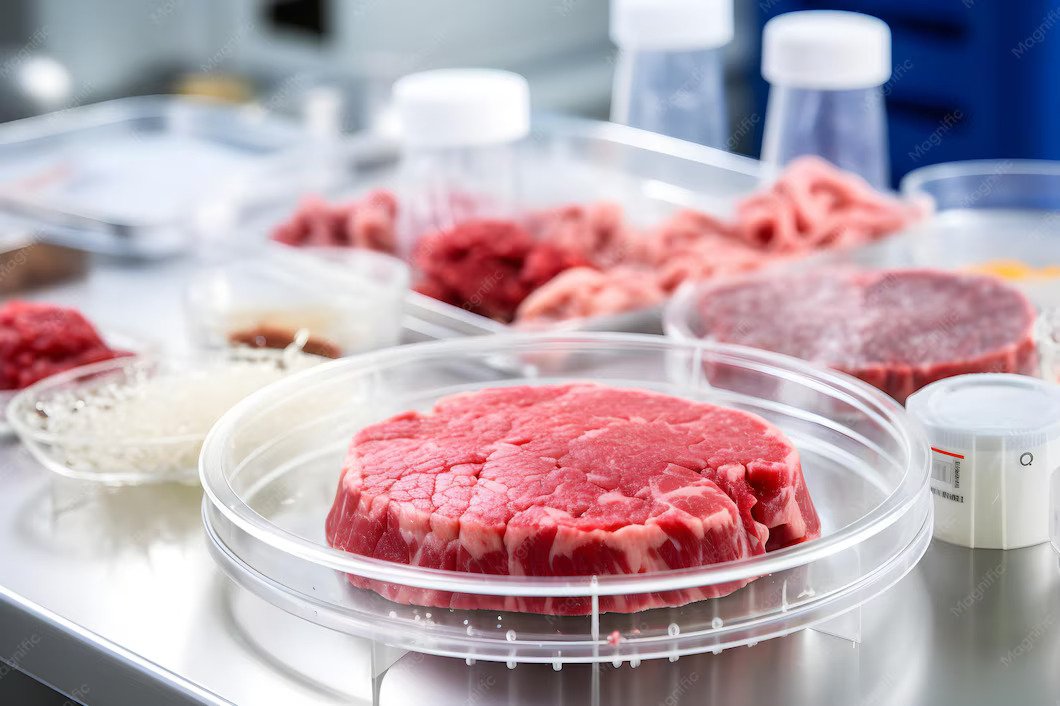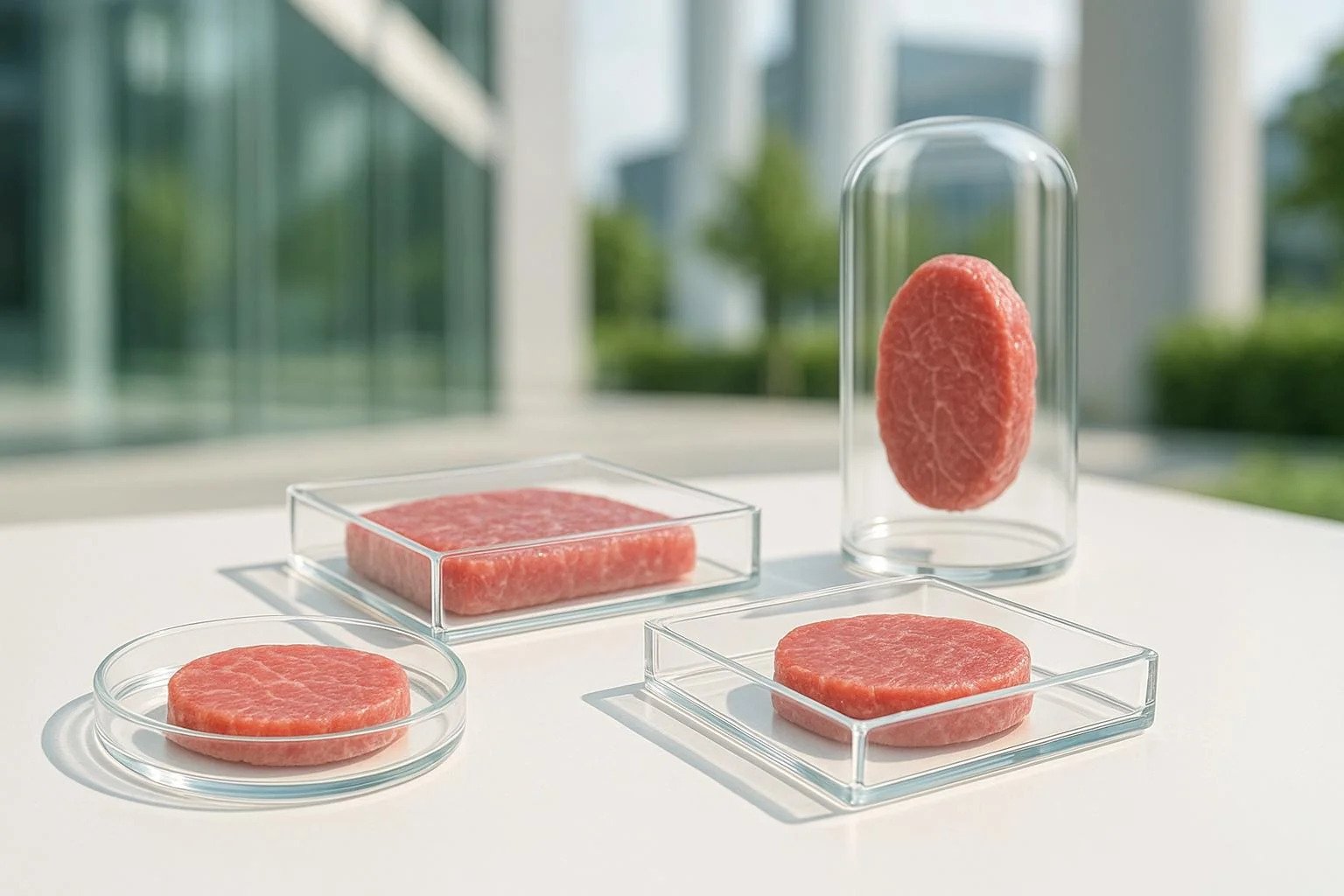
South Korean food-tech startup Orange CAU is moving to commercialise a hybrid cultivated meat product that seeks to address one of the biggest barriers facing the cultivated meat industry: the high cost of producing structured, whole-cut meat.
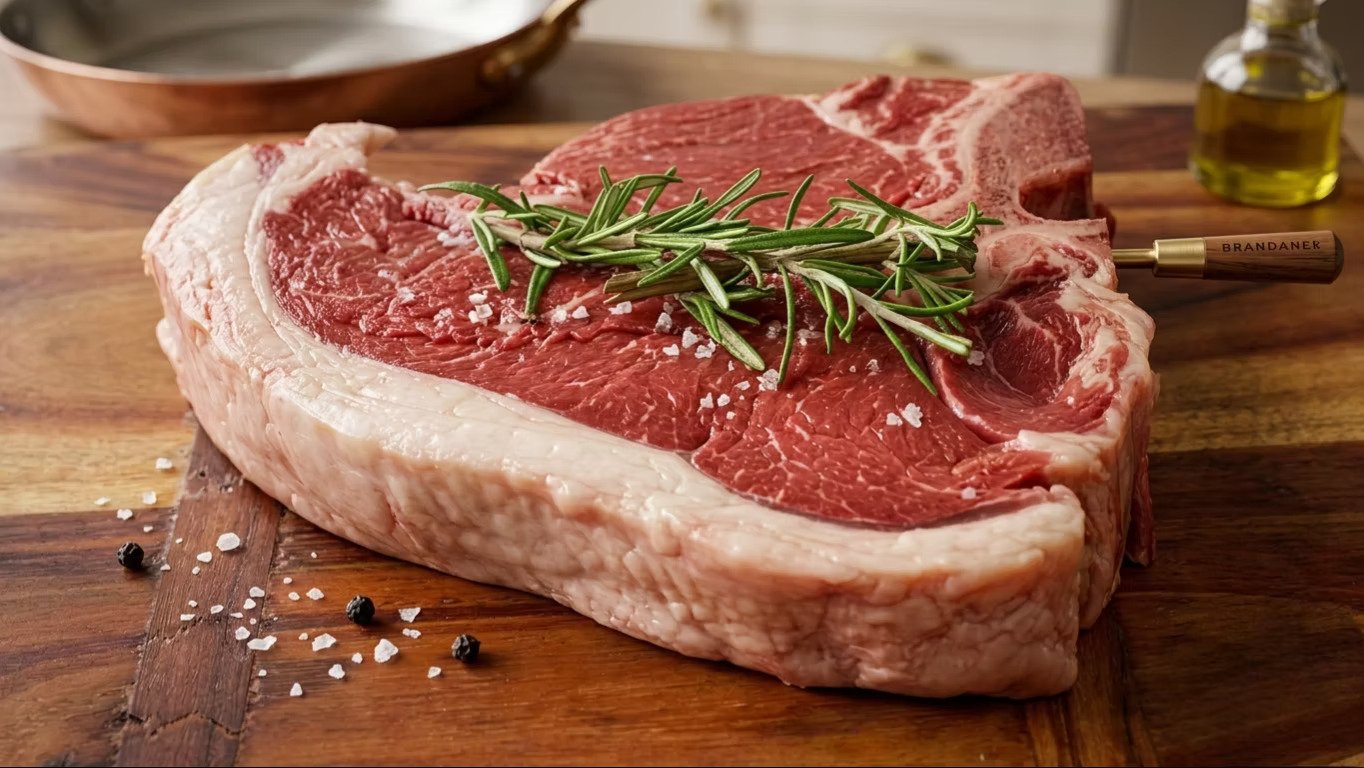
The company is developing a steak-like product that combines cultured muscle cells with plant proteins derived from soy, pea and wheat. With a projected retail price of around ₩40,000 (approximately $27) per kilogram, the product could be positioned at nearly half the price of Grade 1 Hanwoo sirloin, which the Korea Institute of Planning and Evaluation for Technology in Food, Agriculture and Forestry (IPET) estimates at approximately ₩80,000 per kilogram.
The technology emerged from a research project led by Professor Joo Seon-tae of Gyeongsang National University, with funding from South Korea’s Ministry of Agriculture, Food and Rural Affairs and IPET between April 2021 and December 2025. Chungbuk National University, Kyungpook National University and M-Genic Bio participated as joint research institutions.
Joo, who also serves as CEO of Orange CAU, established the startup in July 2024 as a university spin-off from the institution’s meat science laboratory. The company is now working to translate the research prototype into commercial products.
Re-engineering the structure of steak
Unlike conventional cultivated meat prototypes that have largely focused on ground formats such as burgers and nuggets, Orange CAU’s approach aims to recreate the texture and appearance of whole cuts.
The researchers combined cultivated muscle cells with plant proteins and processed the mixture into fine, thread-like fibres. These fibres are then bundled into a three-dimensional structure designed to replicate the grain of conventional meat. A controlled blend of vegetable oil and beef fat is used to recreate the marbling associated with cuts such as sirloin, tenderloin and striploin.
To support larger-scale production, the research team developed an industrial-style machine that extrudes and bundles the fibres in a process comparable to noodle manufacturing.
The cost-reduction strategy rests on two key interventions: using plant proteins as the primary structural component and reusing cell-growth scaffolds multiple times. According to the research team, these measures could reduce production costs by 70–80 per cent.
Competing on price and domestic supply
The economics are particularly relevant to South Korea, which is among the world's largest beef-importing markets. IPET sees the technology as an opportunity to strengthen domestic cultivated meat capabilities, reduce dependence on imported meat and potentially improve price stability.
For Orange CAU, the challenge is to establish whether its hybrid formulation can deliver the sensory characteristics, consistency and production economics required for commercial acceptance. Its MARVEL MARBLE brand encompasses plant-based, hybrid and cultivated meat alternatives.
The development also reflects a broader shift in cultivated meat research: rather than relying exclusively on animal cells to create the entire product, companies are exploring hybrid formulations that combine cultivated components with plant-derived ingredients to reduce costs and improve scalability.
Regulatory clearance remains the next hurdle
Despite the progress in product development, commercial sales in South Korea will depend on regulatory clearance. The Ministry of Food and Drug Safety has accepted applications for cultivated food ingredients since 2024, but IPET has not announced a commercial launch date for Orange CAU’s hybrid steak.
Professor Joo said the research sought to transform cultivated meat from a ground product into a structured cut with the texture of conventional steak while bringing its price closer to that of mainstream meat.
IPET President Park Hong-jae said the project had helped Korean university researchers secure advanced cultivated meat technology and added that the government would continue supporting its transition from laboratory research to commercial application.
For the cultivated meat sector, Orange CAU’s approach offers a potentially important proposition: whole-cut products may not need to rely entirely on cultivated animal cells. By combining cellular agriculture with plant-protein engineering, the startup is attempting to make steak-like alternatives more affordable and commercially viable. Whether that projected price translates into a market-ready product, however, will depend on regulatory approval, manufacturing scale and consumer acceptance.