Egypt is moving to accelerate the development of a second-generation bioethanol project that will convert sugarcane bagasse into fuel, as the government seeks to turn an agricultural byproduct into a higher-value source of energy while opening a new export opportunity to Europe. The project, estimated at $278 million, is entering a more advanced preparation phase, with project partners working on a long-term commercial framework, a proposed joint venture and the financing structure needed to move toward execution.
A key element of the plan is a proposed 10-year offtake agreement between Proger Egypt and Ecofuel, a subsidiary of Eni, which would provide a long-term sales channel for the bioethanol produced by the facility. The arrangement could allow procurement volumes to increase in the future, depending on market conditions and project requirements. The planned offtake agreement is designed to give the project greater visibility on future revenues by securing a stable market for its output. The bioethanol is expected to be targeted primarily at the European market, creating an export-oriented business model around waste generated by Egypt's sugar industry.
Proposed Joint Venture to Drive Project Execution
The companies involved are also considering the formation of a joint venture between the Sugar and Integrated Industries Company, Proger Egypt and Drexel. The proposed entity would take responsibility for completing the project's final feasibility study and beginning discussions with potential investors. The partners are expected to work toward finalising the investment structure and securing the capital required for implementation. Legal procedures associated with the proposed cooperation framework and creation of the new company are currently being coordinated with legal advisers to Egypt's Ministry of Supply and Internal Trade.
Egyptian Minister of Supply and Internal Trade Sherif Farouk has called for the technical, financial and legal work to be accelerated. The government is also seeking a detailed implementation roadmap that establishes project timelines, funding sources and the proposed cooperation structure. The objective is to move the project beyond its preparatory stage and into actual execution.
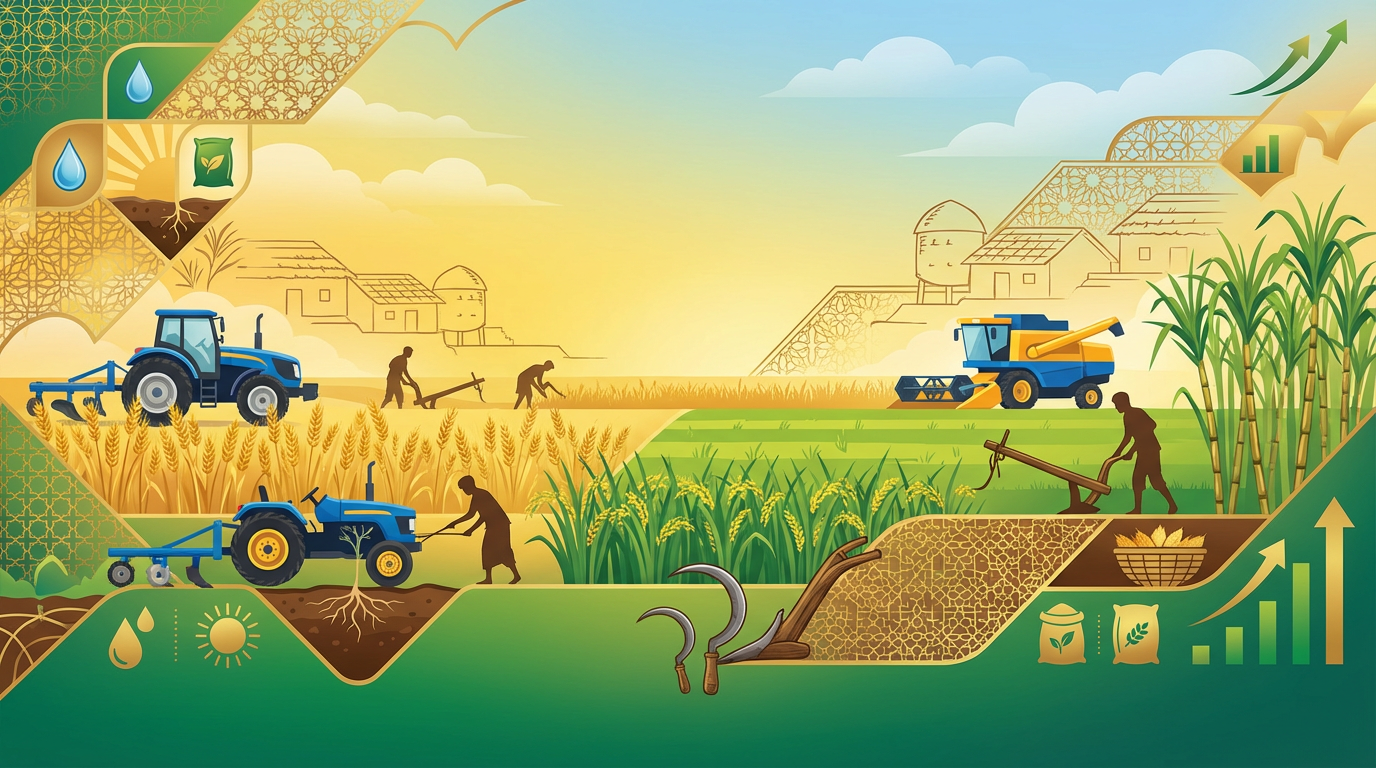
Turning Sugarcane Waste Into Fuel
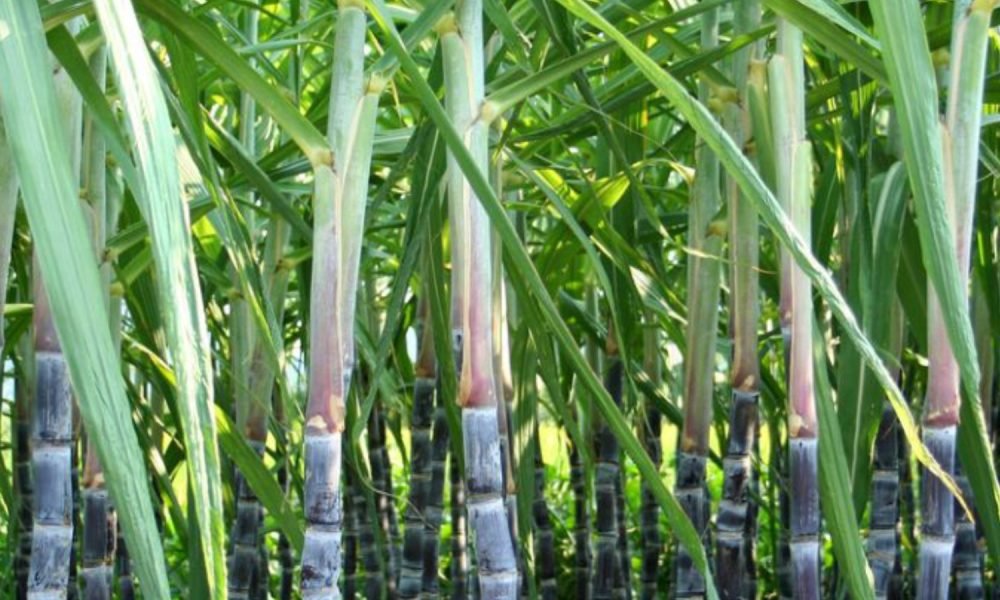
The project will employ fermentation technology to convert sugarcane bagasse into second-generation bioethanol. Unlike conventional first-generation biofuels, which are generally produced from food-based crops, second-generation ethanol uses lignocellulosic material such as agricultural and industrial residues. Drexel Project Manager Sherif Mohamed Ibrahim said the technology would enable the project to extract additional value from waste generated during sugar production while helping reduce carbon emissions.
The model effectively links two objectives: improving the utilisation of sugar-industry residues and producing a renewable fuel suitable for international markets. Ibrahim said the resulting bioethanol would be exported to Europe, positioning the project not only as a domestic waste-to-value initiative but also as part of Egypt's broader participation in the international low-carbon fuels market.
State Assets and Private-Sector Expertise
The proposed partnership is intended to combine the existing resource base of the state-owned Sugar and Integrated Industries Company with the project-development and implementation capabilities of private-sector partners. This structure could provide the project with access to an established source of sugarcane processing residues while allowing specialised companies to contribute technology, project execution expertise, commercial development and investor access.
The availability of a long-term offtake arrangement could also strengthen the project's investment proposition by providing greater certainty around the eventual market for its production. For Egypt's sugar industry, the project represents a potential shift in how bagasse is valued—not simply as a byproduct of sugar processing, but as a feedstock for advanced biofuels with potential export value.
From Feasibility to Financing
The immediate priority is to complete the remaining technical, financial and legal assessments and establish a clear pathway for investment. The proposed joint venture is expected to play a central role in this transition. Once the feasibility work and investment structure are finalised, the partners will need to secure financing and establish the project execution framework. The 10-year offtake proposal with Ecofuel is expected to form an important component of the project's commercial architecture.
If implemented as planned, the facility could create a new revenue stream from sugarcane-processing waste while supporting Egypt's ambitions in renewable fuels and providing an additional source of low-carbon ethanol for European markets. The project therefore sits at the intersection of sugar processing, circular economy, biofuels and international clean-energy trade, with its next major milestone being the transition from project preparation to investment and construction.