Biome Makers has introduced two AI-powered carbon metrics designed to help farmers, agronomists, land managers and sustainability professionals better understand the carbon storage potential of agricultural soils and target regenerative agriculture interventions. The new Maximum Carbon Capacity and Carbon Saturation Percentage metrics add a predictive layer to soil carbon measurement, allowing users to compare current soil carbon levels with the amount of carbon each soil is modelled to potentially hold.
The Maximum Carbon Capacity metric uses an AI model that combines biological data, physicochemical parameters and spectral environmental indices to estimate the theoretical upper limit of carbon, expressed as CO₂ equivalent, that a soil can hold. The metric is available at no additional cost to users of the company’s latest farm platform version. The Carbon Saturation Percentage metric compares current carbon levels with the predicted maximum capacity, providing a measure of remaining modelled capacity.
The company said the new metrics are intended to move soil carbon analysis beyond measuring current conditions and towards identifying areas where changes in farm management could potentially increase carbon storage. Farmers and agronomists can use the information to identify fields and zones that may require further assessment or changes in management. Regenerative agriculture programmes can also use the data to prioritise farms, establish soil-specific reference points and direct technical support and investment.
The platform provides sustainability, agronomy, sourcing and farm operations teams with a field-level view of soil conditions, helping connect regenerative agriculture targets with conditions on individual farms.
An analysis of more than 11,000 soil samples from the company’s database found that 99 per cent of the soils analysed measured below 50 per cent of their predicted maximum carbon capacity. Average carbon saturation was 3.1 per cent of modelled capacity, while the average gap between current carbon levels and modelled maximum capacity was 153 tonnes of CO₂ equivalent per hectare.
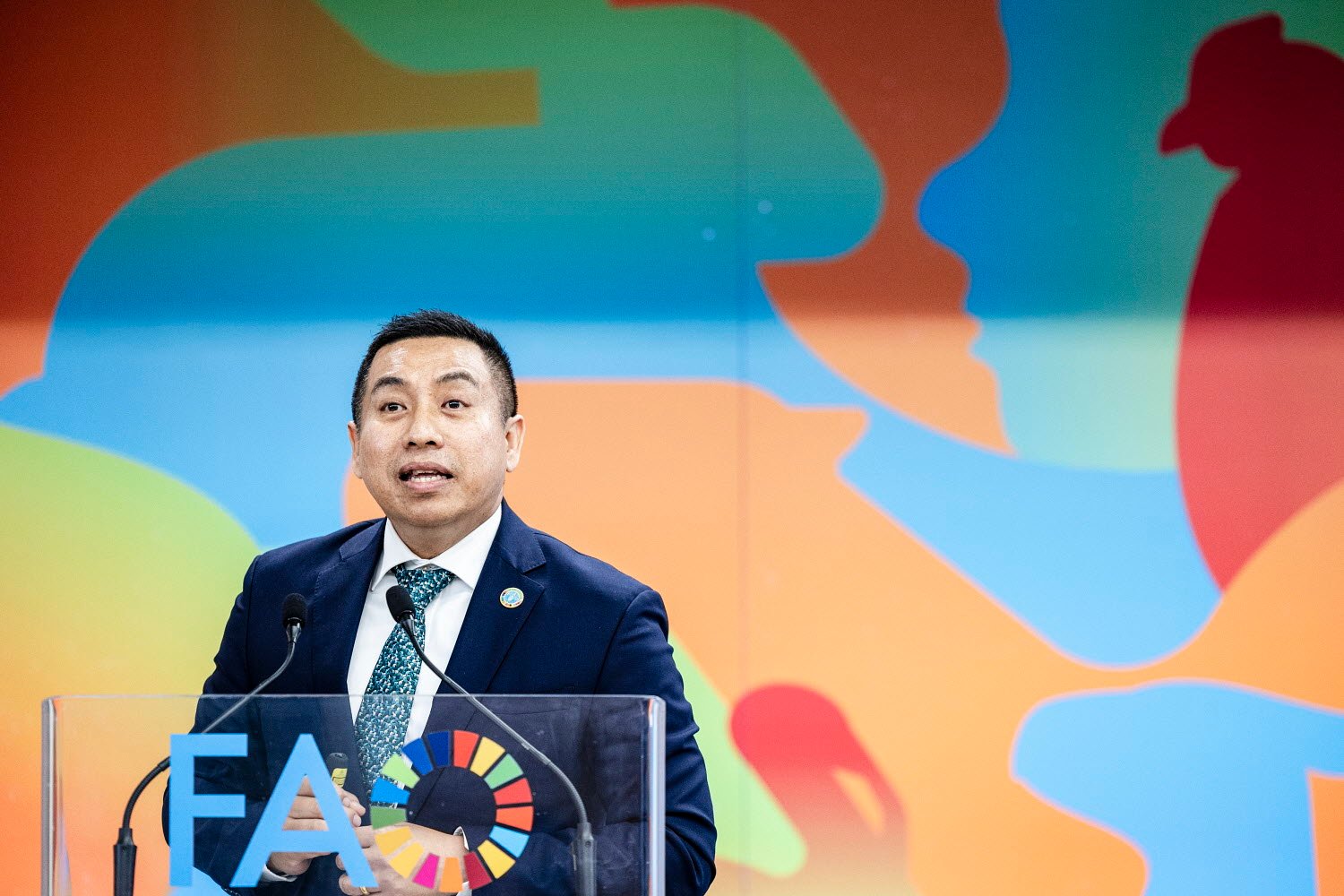
The company cautioned that the findings do not mean every soil will reach its modelled maximum capacity. Instead, they illustrate how current carbon measurements may provide only a partial picture of the potential for additional carbon storage. “Until now, carbon measurement in agriculture has been retrospective: it tells you what’s there, but not what’s possible,” said Alberto Acedo, PhD, Co-founder and Chief Scientific Officer, Biome Makers. “With Maximum Carbon Capacity, we’re giving users a biological ceiling they can plan around. That shift, from measuring the past to modeling the potential, is what turns carbon data into a decision-making tool.”
The Maximum Carbon Capacity metric is calculated using biological, physicochemical and environmental data and can be generated for farms without historical pH/carbon data. The Carbon Saturation Percentage metric is available for new farm projects configured with the relevant pH/carbon measurement dimension. The new metrics are accessible through the Sustainability section of farm map results, giving users a way to incorporate modelled carbon potential into soil management and regenerative agriculture planning.