
As climate change accelerates, the investment conversation is rapidly shifting from mitigation alone to building resilience against increasingly frequent physical risks. Yet climate adaptation remains one of the most underfinanced segments of sustainable investing, particularly across Asia, where the need for resilient agriculture, infrastructure and water systems is growing more urgent. In this exclusive AgroSpectrum interview, Norbert Ling, Head of Fixed Income Portfolio Management, Asia Pacific, Invesco, explains why adaptation is emerging as a critical consideration in portfolio construction and long-term risk management. He also explores how innovative debt instruments can unlock private capital for adaptation projects while highlighting the barriers that continue to limit large-scale investment. As investors increasingly assess resilience alongside returns, climate adaptation is poised to become an important pillar of future capital allocation strategies.
From an investor’s perspective, what are the biggest barriers preventing climate adaptation and resilience from becoming a mainstream asset allocation theme in Asia?
Investor approaches to climate adaptation and resilience are evolving, shaped by differences in mandates, risk exposures, investment horizons, geography and data availability. For some investors, adaptation is primarily viewed through the lens of portfolio risk management, with a focus on reducing exposure to climate-vulnerable assets and enhancing portfolio resilience. Others are increasingly identifying opportunities where adaptation investments can generate attractive risk-adjusted returns through improved operational efficiency, enhanced productivity or new sources of revenue.
However, several barriers continue to limit climate adaptation from becoming a mainstream investment theme across Asia. One of the biggest challenges is the absence of standardized frameworks to measure adaptation outcomes and financial performance. Unlike climate mitigation, where carbon emissions provide a relatively common metric, adaptation benefits are often location-specific and materialize differently across sectors and geographies. This makes it difficult for investors to compare projects, assess risks consistently and build scalable investment portfolios.
Another challenge is that many adaptation solutions are highly context-specific and localized. Whether it involves water-efficient agriculture, resilient infrastructure or coastal protection, each project requires a deep understanding of local climatic, regulatory and socio-economic conditions. Consequently, many opportunities remain relatively small in scale, making them less attractive for institutional investors seeking larger ticket sizes and diversified portfolios.
The commercial viability spectrum also varies significantly. Some adaptation projects have clear and predictable cash flows, while others deliver broader social and environmental benefits that are difficult to monetize. This creates a financing gap where concessional or blended finance may be required before private capital can participate at scale. Strengthening project pipelines, improving adaptation-related data and developing investable financial structures will therefore be critical in mobilizing institutional capital across Asia.
How can fixed income and debt instruments be structured to support climate adaptation projects, particularly in agriculture and infrastructure?
Debt instruments have an important role to play in scaling climate adaptation because they provide a disciplined financing mechanism while ensuring accountability for the deployment of capital. One of the most effective approaches is the use-of-proceeds structure, where funds are earmarked specifically for clearly identifiable climate adaptation and resilience projects, supported by transparent reporting and measurable key performance indicators.
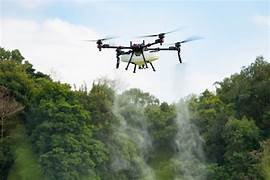
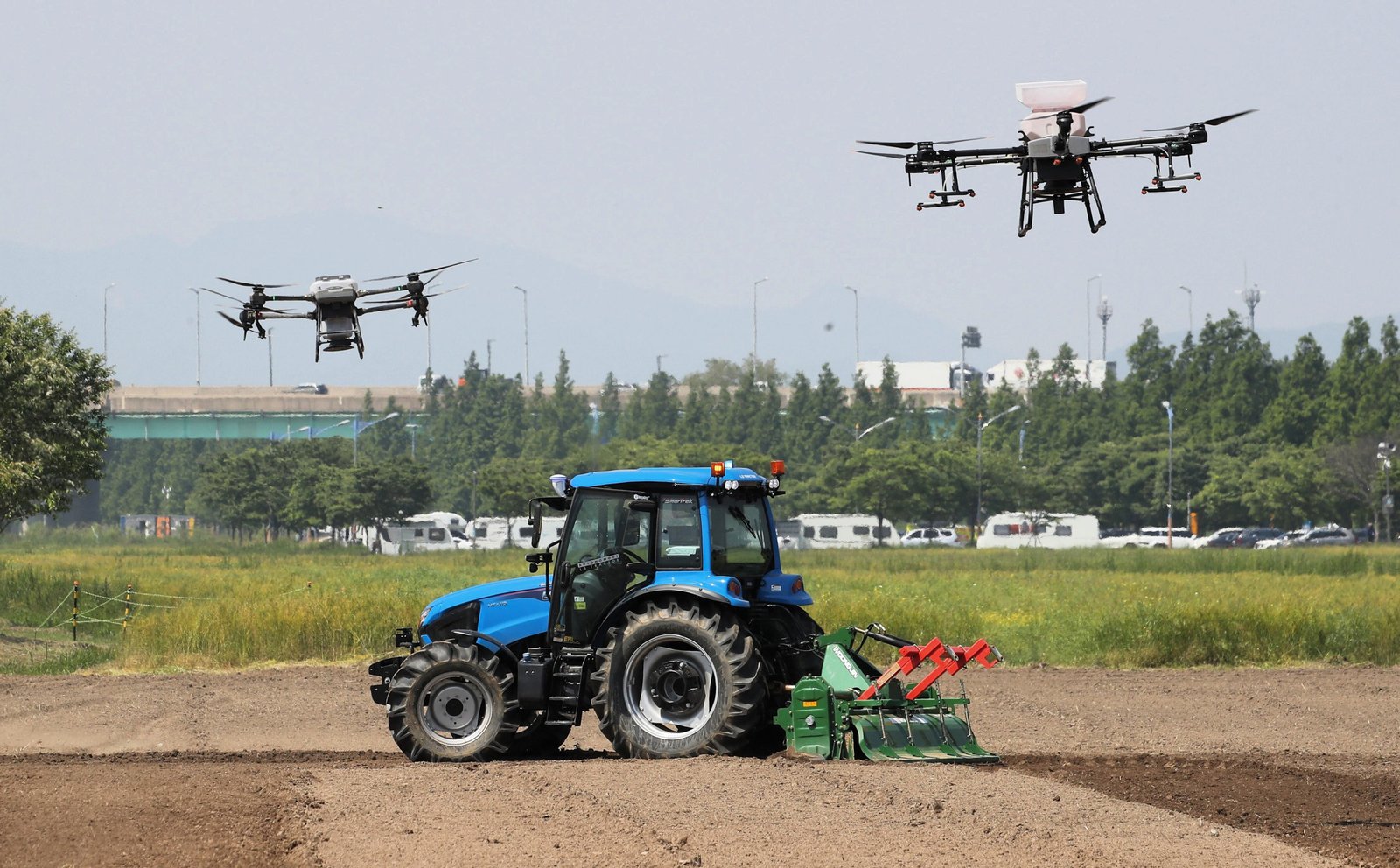
These instruments can channel capital directly to project developers or through financial institutions that extend loans to businesses, farmers and infrastructure developers undertaking climate adaptation initiatives. For agriculture, this could include investments in climate-resilient irrigation systems, precision farming technologies, drought-resistant crop varieties or sustainable water management. In infrastructure, financing may support flood-resilient transport networks, climate-proof urban infrastructure, resilient energy systems or nature-based solutions that reduce physical climate risks.
Commercial viability remains fundamental because debt financing ultimately depends on the borrower's ability to generate sufficient cash flows to service interest payments and repay principal. This discipline encourages the development of adaptation projects with robust business models while providing investors with greater confidence in the long-term sustainability of the investment.
Looking ahead, innovative financing structures such as sustainability-linked bonds, resilience bonds, blended finance mechanisms and credit enhancement facilities could further expand the market by improving risk-return profiles and attracting greater participation from institutional investors. These instruments can help bridge the financing gap between public objectives and private capital while supporting the development of a more mature climate adaptation investment ecosystem.
Looking ahead, how do you see climate adaptation becoming integrated into broader portfolio risk management strategies across APAC?
Climate adaptation is increasingly becoming an integral component of portfolio risk management rather than a standalone sustainability consideration. Climate risk stress testing is already embedded within our regular portfolio risk review process, helping us assess the potential impact of both acute climate events and long-term physical climate risks across different asset classes and geographies. This enables us to better understand portfolio vulnerabilities and incorporate climate considerations into investment decision-making.
Beyond quantitative stress testing, we are placing greater emphasis on evaluating the climate adaptation strategies of sovereigns, companies and financial institutions as part of our broader credit assessment framework. We consider how effectively issuers are preparing for physical climate risks, managing operational resilience and allocating capital toward adaptation measures, as these factors are becoming increasingly financially material over the long term.
As climate impacts intensify across the Asia-Pacific region, adaptation will likely become more deeply embedded within investment analysis, sector allocation and capital deployment decisions. Investors will increasingly differentiate between companies that proactively strengthen resilience and those that remain exposed to escalating climate risks. This shift is expected to influence credit quality, valuations and long-term investment performance.
At the same time, we see significant investment opportunities emerging from businesses that provide solutions enabling climate adaptation. Companies operating in areas such as resilient agriculture, water management, climate-resilient infrastructure, environmental technologies and digital climate intelligence are well positioned to benefit from increasing public and private investment across APAC. As policy support strengthens and investment frameworks mature, climate adaptation is likely to evolve from being primarily a risk management consideration into an increasingly important source of long-term investment opportunity.