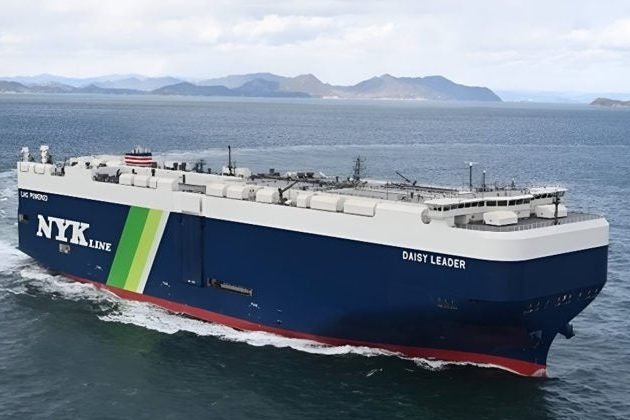
NYK has commenced a one-year operational trial of 100% biofuel (B100) aboard one of its car carriers, marking a significant milestone in the maritime industry's pursuit of lower-carbon shipping solutions and reinforcing the company's commitment to accelerating fleet decarbonisation through commercially viable alternative fuels.
The pilot programme will assess the long-term safety, fuel stability and mechanical performance of high-purity biofuel under continuous commercial operating conditions. The trial is expected to generate valuable operational insights into the use of B100 in deep-sea shipping, an area where industry experience remains limited.
The fuel being evaluated is Fatty Acid Methyl Ester (FAME) produced primarily from used cooking oil and other sustainable waste-derived feedstocks. As a drop-in fuel, B100 can be deployed using existing marine engines and fuel infrastructure, offering shipowners an immediate pathway to reducing lifecycle greenhouse gas emissions without requiring extensive vessel retrofits or capital-intensive engine modifications.
Unlike lower biofuel blends such as B24 and B30, which NYK has previously tested successfully, B100 introduces a new set of technical considerations. High-concentration biofuels are inherently more vulnerable to oxidative degradation and can be affected by prolonged exposure to oxygen, heat and light, creating potential challenges related to fuel storage, stability and long-term operational reliability.
Over the course of the trial, NYK will closely monitor engine performance, fuel supply systems, onboard equipment and day-to-day vessel operations to evaluate the fuel's technical compatibility under extended commercial use. The company expects the findings to establish a stronger evidence base for the safe and reliable deployment of pure biofuels across the global shipping industry.
Beyond validating B100 as a commercially deployable marine fuel, the initiative is intended to contribute to broader industry knowledge on alternative fuel adoption at a time when international shipping faces mounting regulatory and market pressure to reduce greenhouse gas emissions. The operational data generated through the programme is expected to inform future technical standards, support regulatory discussions and accelerate confidence in biofuel deployment across ocean-going fleets.
The trial represents another strategic step in NYK's long-term decarbonisation roadmap as the company expands its portfolio of low-carbon marine fuel solutions while supporting the global shipping sector's transition towards more sustainable and resilient maritime transport.