
Sumitomo Chemical is advancing its next generation of crop protection technologies with regulatory submissions for bifemetstrobin, a newly developed fungicide active ingredient that the company believes could strengthen global efforts to manage fungicide resistance in agriculture.
The company has filed registration applications for bifemetstrobin with regulatory authorities in Japan, the United States and Brazil, marking the first step towards commercialising one of its latest proprietary crop protection innovations. Subject to regulatory approvals, Sumitomo Chemical expects commercial launches to begin in 2030 or later, with plans to pursue registrations in additional markets thereafter.
The development comes as fungicide resistance continues to emerge as one of the most pressing challenges confronting global agriculture. Repeated use of existing chemistries has enabled several economically important fungal pathogens to develop resistance, reducing the effectiveness of conventional disease management programmes and increasing production risks for farmers.
Bifemetstrobin represents a new active ingredient discovered by Sumitomo Chemical and belongs to the quinone outside inhibitor (QoI) class of fungicides, one of the most widely used groups of disease-control products in modern agriculture. The molecule works by disrupting the energy production process within fungal cells, preventing disease development and protecting crop health.
What differentiates the new fungicide is its reported performance against fungal strains that have developed resistance to existing QoI chemistries. Based on extensive internal research and external evaluations, the company says bifemetstrobin has demonstrated strong efficacy against resistant pathogens, including soybean rust, one of the most economically damaging diseases affecting soybean production in Brazil and several other agricultural regions.
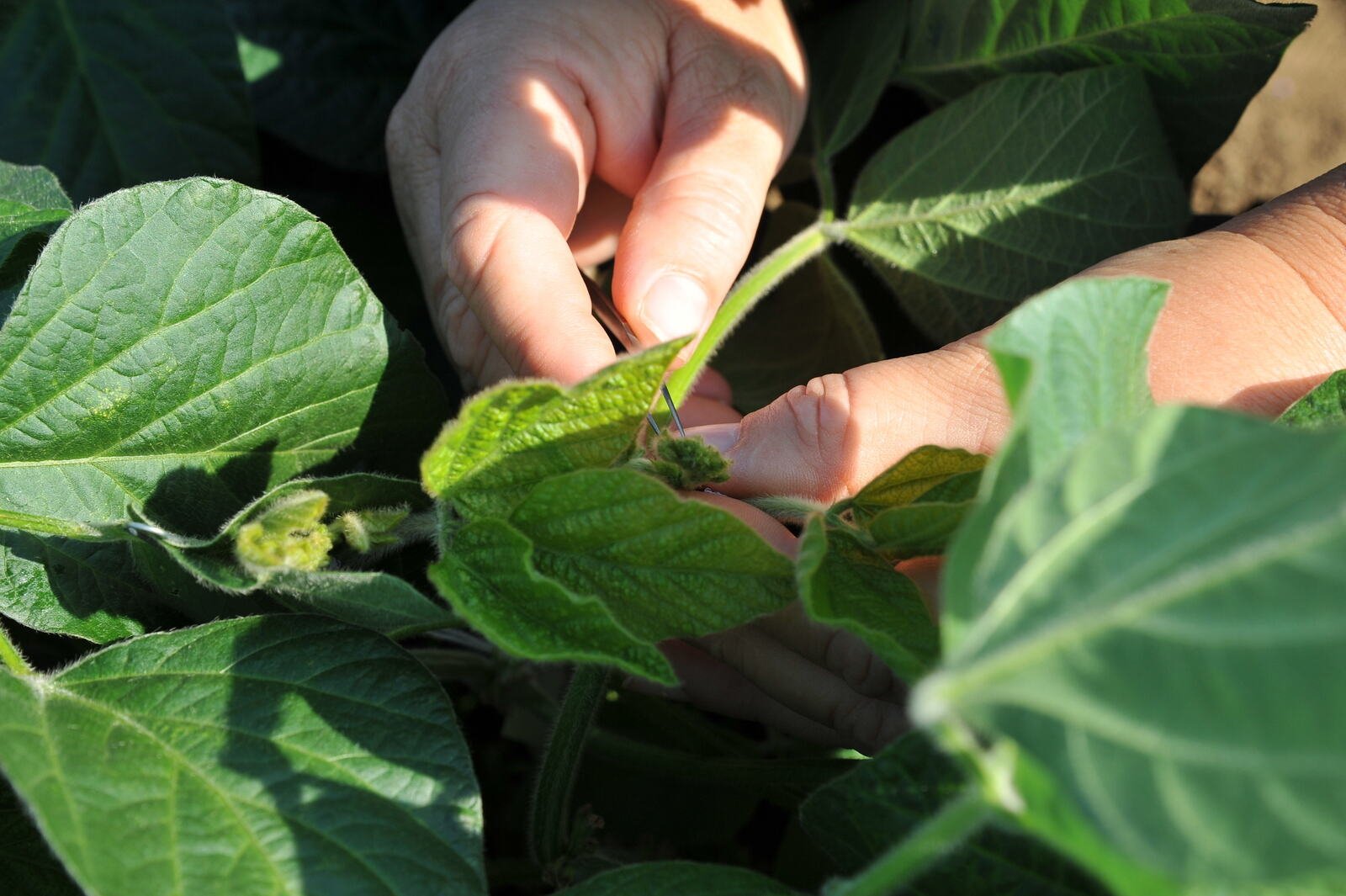
Soybean rust remains a major concern for growers because of its ability to spread rapidly under favourable weather conditions and cause significant yield losses if disease control measures fail. The emergence of fungicide-resistant pathogen populations has further intensified the need for new modes of action capable of restoring effective disease management.
If approved, bifemetstrobin is expected to provide growers with an additional tool for resistance management by expanding the range of available fungicide options. Introducing new active ingredients with proven efficacy against resistant fungal populations is increasingly viewed as essential for preserving long-term crop productivity and delaying the development of further resistance.
Brazil is likely to be one of the most strategically important markets for the new fungicide, given the country's position as one of the world's largest soybean producers and the persistent challenge posed by soybean rust. At the same time, registrations in Japan and the United States underline the company's broader ambition to establish the product across major global agricultural markets.
The regulatory filings also reflect the increasing emphasis among crop protection companies on replenishing innovation pipelines as regulatory scrutiny tightens and resistance pressures grow across multiple crop segments. Novel active ingredients have become progressively more difficult and expensive to develop, making successful product launches strategically significant for global agrochemical manufacturers.
Looking ahead, Sumitomo Chemical intends to continue expanding the development programme for bifemetstrobin beyond its initial target markets while advancing its broader portfolio of crop protection technologies. The company views innovation in disease management as central to supporting sustainable agricultural production, improving crop resilience and helping farmers maintain stable yields in an increasingly complex farming environment.