
The European Commission has revised maximum residue levels (MRLs) for six pesticides in certain food products, introducing changes that could affect residue compliance for growers, food processors and exporters supplying the European Union market.
Commission Regulation (EU) 2026/2289, adopted on October 15, amends Annex II to Regulation (EC) No 396/2005. The changes cover acequinocyl, deltamethrin, dodine, maleic hydrazide, pinoxaden and prothioconazole, following applications and risk assessments by the European Food Safety Authority (EFSA).
The amendments include revised residue limits for selected plant-derived and animal-derived products, confirmation of certain existing limits and the removal of footnotes that previously designated some maximum residue levels as temporary.
Among the changes, the regulation sets an MRL of 2 mg/kg for acequinocyl in blueberries, cranberries, black, red and white currants, and gooseberries. For deltamethrin, the revised limits include 0.15 mg/kg for green, red and yellow kiwifruit and 0.03 mg/kg for melons and watermelons.
The regulation also establishes or revises limits for several other crop-pesticide combinations. These include 2 mg/kg for dodine in grapes and 0.8 mg/kg for pinoxaden in barley, wheat and rye.
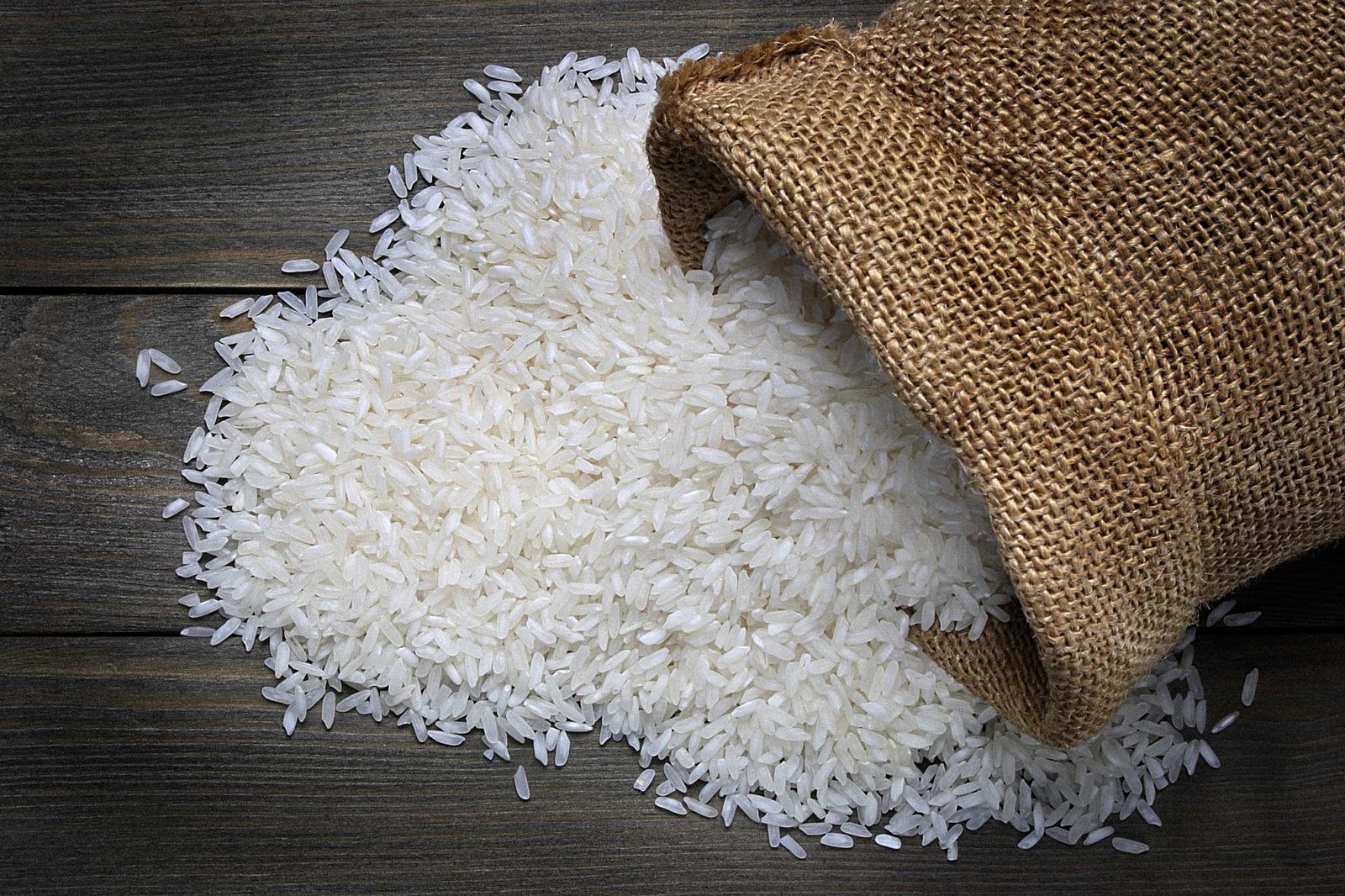
For prothioconazole, the specified MRLs include 0.1 mg/kg for celeriacs, 0.2 mg/kg for rapeseeds, 0.02 mg/kg for garlic, 0.3 mg/kg for apricots, 0.6 mg/kg for sweet cherries, 0.1 mg/kg for plums and 0.03 mg/kg for rice.
The amendments also address maleic hydrazide residues in a range of animal-derived products. These include pig fat and edible offal, bovine edible offal, sheep and goat fat and offal, poultry products, edible offal from other farmed terrestrial animals, sheep's milk, goat's milk and bird's eggs.
Selected limits include 0.15 mg/kg for pig fat, 1.5 mg/kg for pig edible offal other than liver and kidney, 0.9 mg/kg for bovine edible offal other than liver and kidney, and 0.2 mg/kg for sheep and goat fat. The regulation specifies an MRL of 3 mg/kg for sheep and goat kidney and other edible offal, while the limit for poultry liver, kidney and other edible offal is 0.03 mg/kg. Bird's eggs have an MRL of 0.15 mg/kg.
A further change concerns pinoxaden residues in animal-derived products. The Commission confirmed existing temporary MRLs after reviewing confirmatory data that addressed previously identified data gaps. The corresponding footnotes identifying those limits as temporary have been deleted.
The footnote associated with the temporary MRL for prothioconazole in rapeseeds has also been removed.
The regulation will enter into force on November 5, 2026, the twentieth day following its publication in the Official Journal of the European Union. It is binding in its entirety and directly applicable across EU member states.
For exporters and food businesses, the amendments underscore the importance of aligning pesticide-use practices, residue-monitoring programmes and product specifications with the EU's applicable limits. Suppliers handling fresh fruit, cereals, rice, oilseeds and animal-derived foods should review the changes relevant to their products before the new rules take effect.
The practical implications will depend on the specific pesticide-product combinations involved and the residue limits applicable to each commodity. Businesses should therefore verify the amended entries in the regulation rather than assume that all limits for a given pesticide or product category have changed.