Global poultry meat trade is projected to grow by 3.1 percent in 2026, reaching 17.2 million tonnes, according to the latest outlook from the Food and Agriculture Organization of the United Nations. The expansion is being underpinned by stronger import demand across Africa and parts of Asia, alongside a sustained and increasingly competitive export performance from major supplying countries—most notably China.
At the centre of this growth trajectory is China, where poultry exports are expected to rise at double-digit rates for a third consecutive year. The country’s expanding exportable surplus, greater product diversification, and price competitiveness are collectively strengthening its position in global markets and improving access across a widening set of import destinations, particularly in lower- and middle-income economies.
Brazil is also expected to support global supply growth, with exports forecast to increase in 2026. However, trade flows are likely to be shaped less by volume alone and more by shifting demand geography, logistics realignments, and evolving regulatory and sanitary standards in key importing regions.
Emerging economies anchor demand growth
On the demand side, Africa is expected to remain the most dynamic growth region, driven by population expansion and structural gaps in domestic protein production. Limited gains in local output continue to reinforce reliance on imports, particularly for affordable poultry protein.
Asia is also expected to sustain firm demand, supported by steady consumption trends and urban dietary shifts. However, imports into China are projected to ease somewhat as domestic production remains sufficient to meet a larger share of internal demand.
Together, Africa and Asia are reinforcing a broader structural shift in global poultry trade toward emerging and developing economies, where rising incomes and changing consumption patterns continue to support protein demand growth.
Trade routes adjusting to geopolitical and logistical pressures
The FAO notes that global meat trade continues to adapt to persistent logistical disruptions and geopolitical uncertainties. Shipping route adjustments have become more common, with trade flows increasingly rerouted through alternative corridors and, in some cases, supplemented by inland transport networks.
These disruptions have also contributed to partial diversion of volumes toward African markets. While demand momentum remains strong, absorption capacity is uneven, constrained in part by limited cold-chain infrastructure and purchasing power in several importing countries.
Diverging dynamics across global meat markets
While poultry trade is on an upward trajectory, other meat categories are showing more subdued or divergent trends.
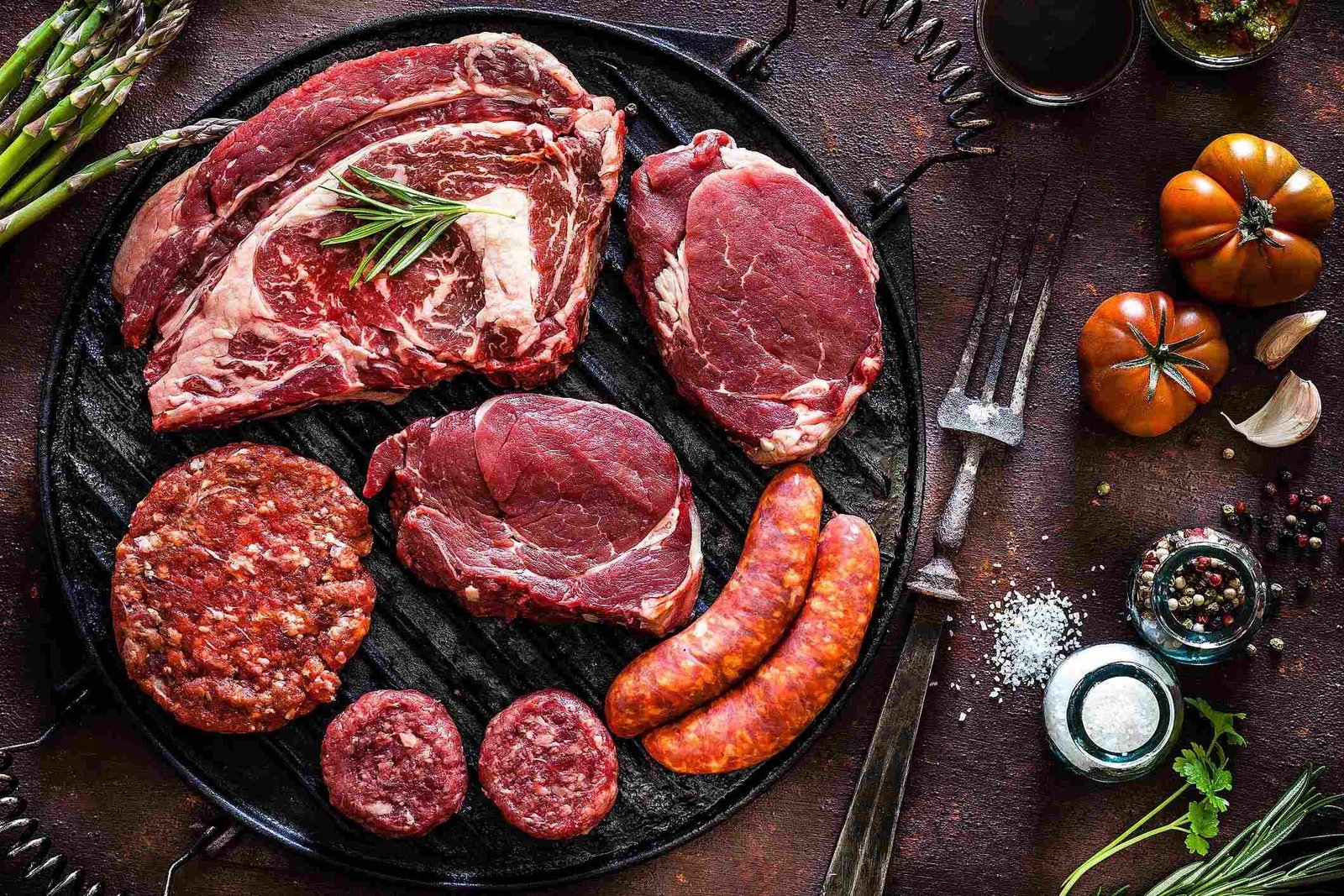
Global bovine meat trade is projected to decline slightly to 13.8 million tonnes in 2026, down 0.6 percent year-on-year. The contraction reflects tighter export availability and the introduction of country-specific import quotas by China under a new safeguard framework beginning in 2026. Once quota allocations are exhausted, higher out-of-quota tariffs are expected to temper additional import demand.
This downward pressure is expected to be partially offset by steady import requirements in the United States, where domestic supply remains constrained, and in the European Union, where structural adjustments in production continue to influence market balance.
On the supply side, production declines in several major producing regions—driven by herd rebuilding cycles and regulatory pressures—are expected to be balanced by gains in countries such as Australia and Mexico, where slaughter availability and production conditions are more favourable.
Pig meat production edges higher on productivity gains
Global pig meat production is forecast to increase modestly by 0.6 percent to 129.5 million tonnes in 2026. The growth is being supported largely by productivity improvements rather than herd expansion.
In China, structural adjustments in sow numbers are expected to be offset by efficiency gains, including higher piglet productivity per litter, keeping overall output broadly stable. Brazil and the United States are also expected to post gains, supported by favourable margins and continued productivity improvements.
In contrast, the European Union is projected to record a decline in output, weighed down by animal health pressures, particularly ASF-related constraints, alongside weaker export demand from key markets.
Outlook
Taken together, the FAO outlook points to a global meat market entering a phase of divergence. Poultry is emerging as the primary growth engine, driven by competitive exports and strong demand across emerging economies, while bovine meat faces structural headwinds and pig meat grows at a more incremental pace.
The broader picture reflects an increasingly segmented global protein landscape—shaped by shifting consumption patterns, evolving trade policies, and region-specific supply constraints—where growth is concentrated in poultry and increasingly anchored in developing-world demand.