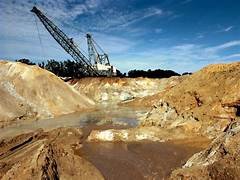
China's phosphate industry has entered a new phase of strategic consolidation following the implementation of the Mineral Resources Law Implementation Regulations. The new regulations designate phosphate rock as a national strategic mineral alongside lithium, cobalt and rare earths, bringing the resource under full-chain government oversight covering exploration, mining, production, reserves and sales. The policy shift has rapidly translated into investment activity. Within weeks of the regulations taking effect, leading chemical and fertilizer companies announced major upstream mining projects in Hubei Province, signalling an industry-wide race to secure long-term phosphate resources amid tightening mining approvals and growing demand from both agriculture and new-energy industries.
The country's largest phosphate-producing region around Yichang, Hubei, has emerged as the focal point of this investment wave, with companies strengthening upstream integration to safeguard raw material supplies for phosphate fertilizers and industrial chemicals.
Multi-billion-yuan projects reshape China's phosphate landscape
Among the largest developments, Hubei Xingfa Chemicals Group has partnered with Wanhua Chemical Group to invest 5.32 billion yuan in developing the Yangliu East Phosphate Mine, expected to become Hubei's largest standalone phosphate mining project. The project combines the expertise of a leading phosphate producer, a downstream specialty chemicals manufacturer and a local state-owned investment platform. Together, the consortium aims to secure high-quality phosphate mining rights while reducing development risks through capital sharing and coordinated resource management.
The Yangliu East mine contains 206 million tonnes of phosphate reserves with an estimated operational life of 54 years, making it one of the province's most significant long-term resource assets. Industry observers view the partnership as a reflection of a broader trend in which collaborative investments are replacing standalone mining developments amid stricter regulatory scrutiny and increasingly scarce mining quotas.
Hubei Yihua expands existing mining footprint
Parallel to new mining investments, Hubei Yihua Group is accelerating phased expansion of its existing phosphate assets rather than pursuing greenfield projects. The company is simultaneously developing the Jiangjiadun East Mine Section and the Zoumaling phosphate mine, extending production capacity while leveraging existing infrastructure and environmental approvals. According to disclosures made during the company's July 9, 2026 performance briefing, the Jiangjiadun East section is designed to produce 1.5 million tonnes annually and is scheduled for completion in 2029. Commercial production will be linked to prevailing market prices once operations commence.
The company already operates phosphate mining assets capable of producing 1.8 million tonnes annually. Upon completion of the eastern expansion, total production capacity is expected to rise to 3.3 million tonnes per year, significantly strengthening long-term raw material security. At the same time, construction of the 1 million-tonne Zoumaling phosphate mine is progressing by utilizing existing environmental approvals, land resources and supporting infrastructure to shorten development timelines while improving operational efficiency.
A new competitive landscape
China's revised mineral policy is expected to reshape competition across the phosphate fertilizer industry over the coming decade. Companies with secured mining resources are likely to gain greater protection from raw material price volatility while strengthening integration across fertilizer, specialty chemicals and new-energy supply chains.
As phosphate joins China's list of strategically managed minerals, upstream resource ownership is becoming a defining competitive advantage rather than simply an operational asset, signalling a structural shift in how the country's fertilizer industry plans future growth.