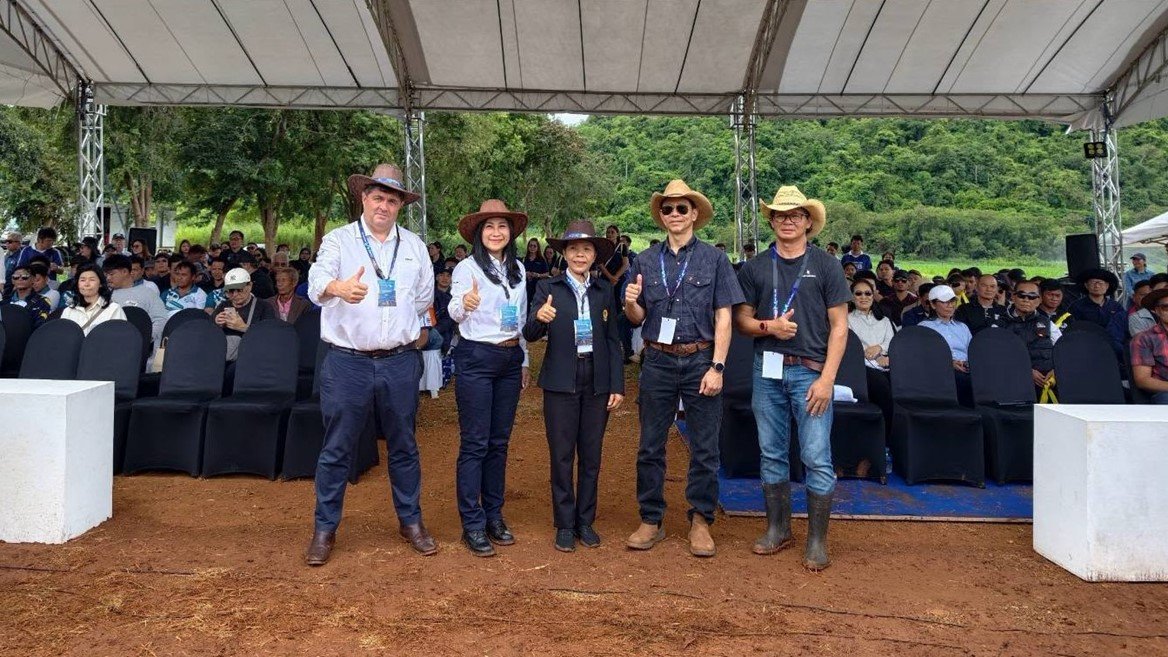
Anhui Jiuyi Agriculture Co., Ltd. has expanded its herbicide portfolio with the launch of LanNongLe , a pyroxasulfone 40 per cent SC pre-emergence herbicide designed to support weed management in some of China’s most important grain-producing regions. The company introduced the product at launch meetings in Jinan, Shandong, and Zhengzhou, Henan, marking its entry into the North China market. Registered for use in winter wheat, maize and soybean, LanNongLe is being positioned as a new mode-of-action option for growers seeking to diversify weed-control programmes and address declining sensitivity to established herbicides.
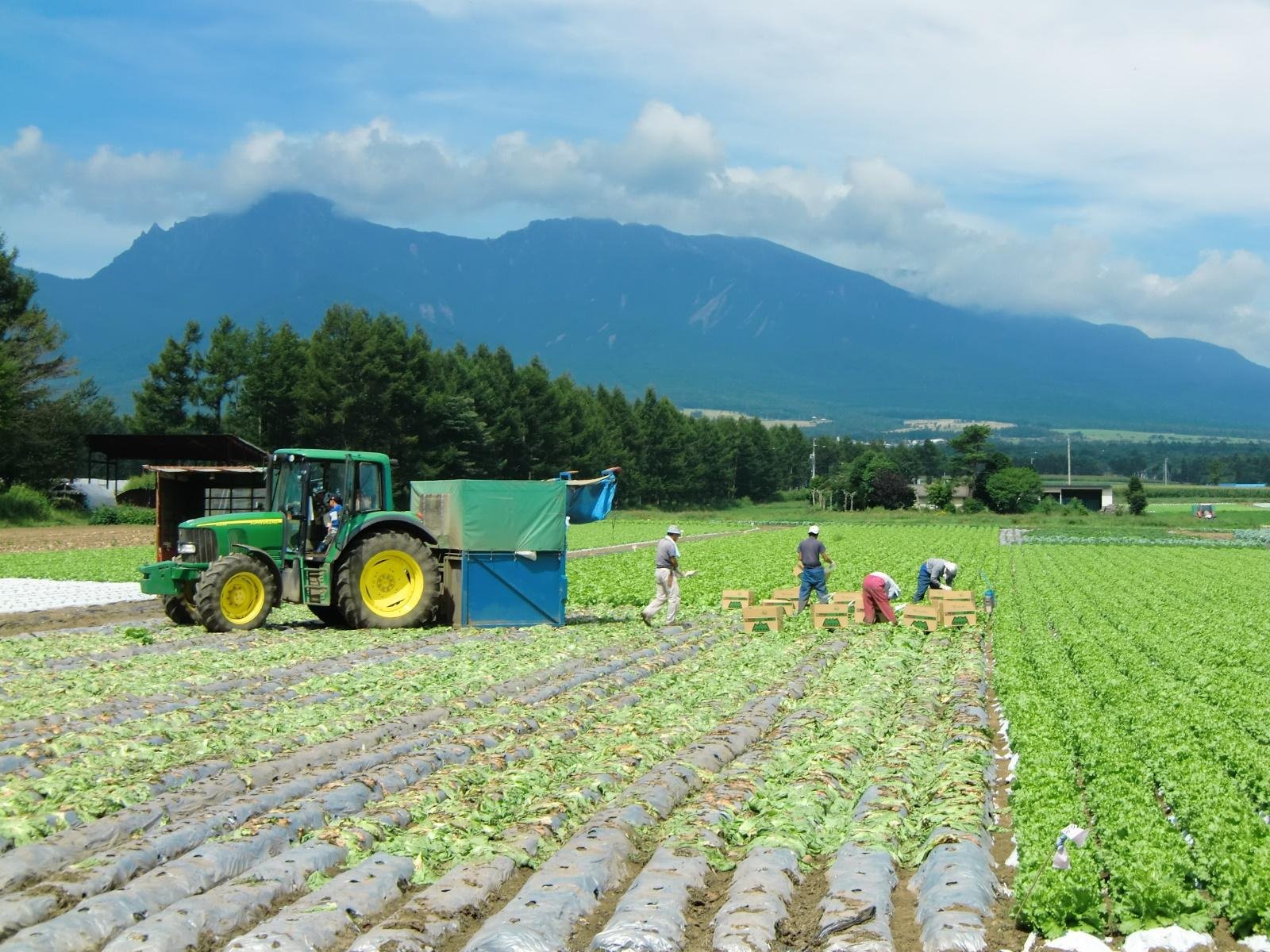
The launch comes as herbicide resistance becomes an increasingly important challenge across the Huang-Huai-Hai region and North China Plain. Intensive wheat-maize and wheat-soybean rotations, combined with repeated use of similar herbicide chemistries, have contributed to growing control difficulties involving both grass and broadleaf weeds. Among the weeds creating management challenges are Lolium multiflorum, Alopecurus aequalis, Galium aparine, Descurainia sophia, Veronica persica and Amaranthus retroflexus. Reduced performance of conventional pre-emergence herbicides, including acetochlor and metolachlor, has increased the need for corrective post-emergence applications, adding to farmers’ chemical, labour and application costs.
New mode of action for resistance management
LanNongLe contains pyroxasulfone, an active ingredient belonging to the isoxazoline chemical class. It works by inhibiting very-long-chain fatty acid elongase (VLCFA), an enzyme required for the development of germinating weeds. The herbicide is absorbed primarily through the shoots and roots of emerging weeds. By disrupting growth in the coleoptile and apical meristem, it prevents susceptible weeds from successfully emerging and establishing in the crop.
Its distinct mode of action provides growers with an additional chemistry for integrated resistance-management programmes, particularly where repeated reliance on conventional chloroacetamide herbicides has reduced control consistency.
Designed for major crop rotations
LanNongLe is registered for pre-emergence soil application following sowing and before crop emergence in winter wheat, maize and soybean. The registration profile allows the product to fit into major crop rotations across the Huang-Huai-Hai agricultural belt and North China Plain. The formulation is supplied as a suspension concentrate, with fine particle characteristics intended to support dispersibility and application convenience. At recommended rates, the product is designed to deliver broad-spectrum control of registered grass and broadleaf weeds while reducing the pressure for additional post-emergence treatments.
For growers, the potential benefits extend beyond weed suppression. More reliable early-season control can help reduce the number of corrective applications and associated expenditure on products, machinery operation and labour.
Field demonstrations highlight early-season control
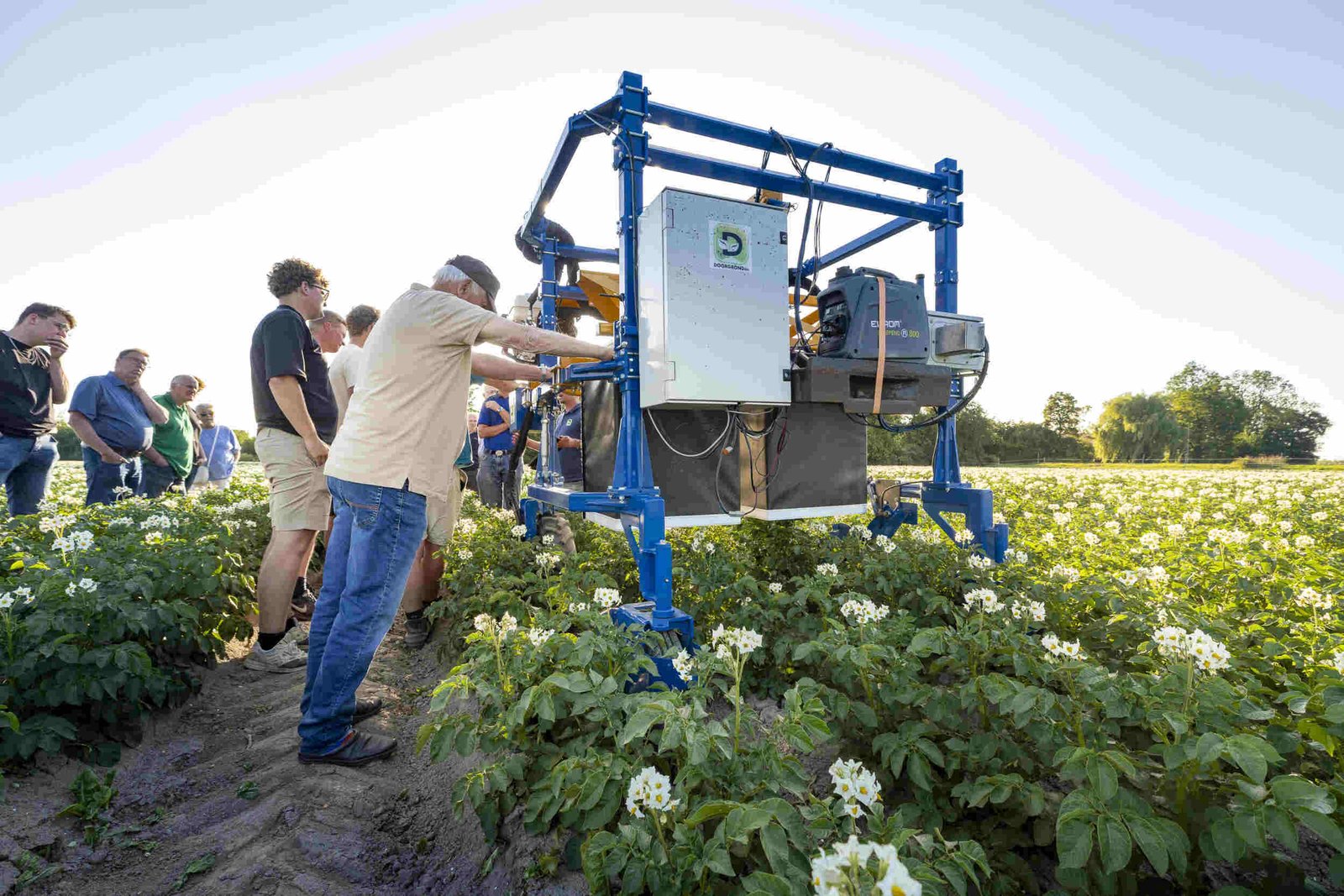
During the launch programme, distributors from Henan, Shandong and Hebei presented comparative field results from treated and untreated plots. Demonstration fields receiving LanNongLe showed markedly lower weed emergence, while untreated areas recorded substantial germination. The demonstrations also focused on populations considered difficult to control with established herbicide programmes. The results highlighted the potential role of pyroxasulfone-based pre-emergence treatment in improving early-season weed suppression and building greater diversity into herbicide programmes.
The product’s suspension concentrate formulation was also presented as a practical advantage for field application, supporting straightforward preparation and handling during seasonal spraying operations.
Building a broader pre-emergence portfolio
Alongside the product launch, Anhui Jiuyi Agriculture outlined its technical-grade pyroxasulfone manufacturing capabilities and plans for additional registrations. The company’s strategy reflects a broader shift in China’s crop-protection market towards differentiated herbicide technologies as resistance, input costs and the need for more sustainable application programmes reshape weed-management practices.
For the country’s major grain-producing regions, the challenge is increasingly moving beyond simply finding stronger weed killers. Maintaining herbicide efficacy over successive seasons will depend on integrating different modes of action, improving application timing and strengthening preventive pre-emergence control. With LanNongLe, Anhui Jiuyi is seeking to establish pyroxasulfone as part of that resistance-management toolkit while expanding its presence in China’s staple-crop herbicide market.