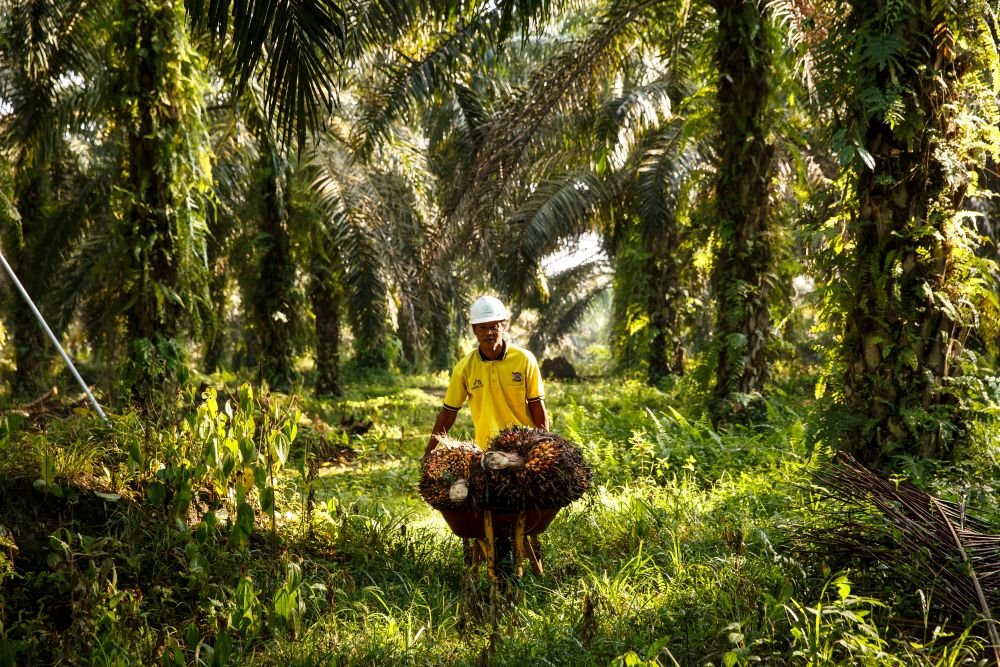
Improved agricultural practices through the RSPO Independent Smallholder (ISH) Standard and innovative tools are empowering Thai oil palm farmers to advance Thailand’s climate change mitigation efforts.
Thailand is stepping up its fight against climate change through innovative, farmer-focused initiatives that are transforming its agricultural sector into a driver of low-carbon and climate-resilient development.
Increasingly affected by climate change, Thailand faces rising temperatures, irregular rainfall, and more frequent floods, storms, and heatwaves that threaten its agriculture-dependent economy as well as millions of livelihoods. Though the country emits around 250–260 million tonnes of CO₂ equivalent annually—approximately 0.8% of global greenhouse gas emissions it remains highly vulnerable, ranking 17th among countries most affected by extreme weather events from 1995 to 2024. This dual challenge underscores the urgent need to accelerate both mitigation and adaptation efforts.
In response, Thailand has committed to reducing greenhouse gas emissions by 30–40% by 2030, achieving carbon neutrality by 2050, and reaching net zero emissions by 2065. These targets are driving momentum toward low-carbon development, particularly in agriculture. At the same time, the expanding voluntary carbon credit market presents new opportunities, as demand for high-quality, agriculture-based credits may generate additional income for farmers adopting climate-smart practices.
Low carbon cultivation, CLIMAX Pro carbon footprint calculator
Within the oil palm sector, the 2024 RSPO Independent Smallholder (ISH) Standard mandates the implementation of Best Management Practices (BMPs) to improve productivity while reducing environmental impacts. These practices promote low-carbon oil palm cultivation through improved agronomic and environmental management. However, adoption among smallholders remains limited due to gaps in knowledge, finance, and local support. In collaboration with key partners, RSPO supports compliance with the ISH Standard to advance low-carbon footprint production.
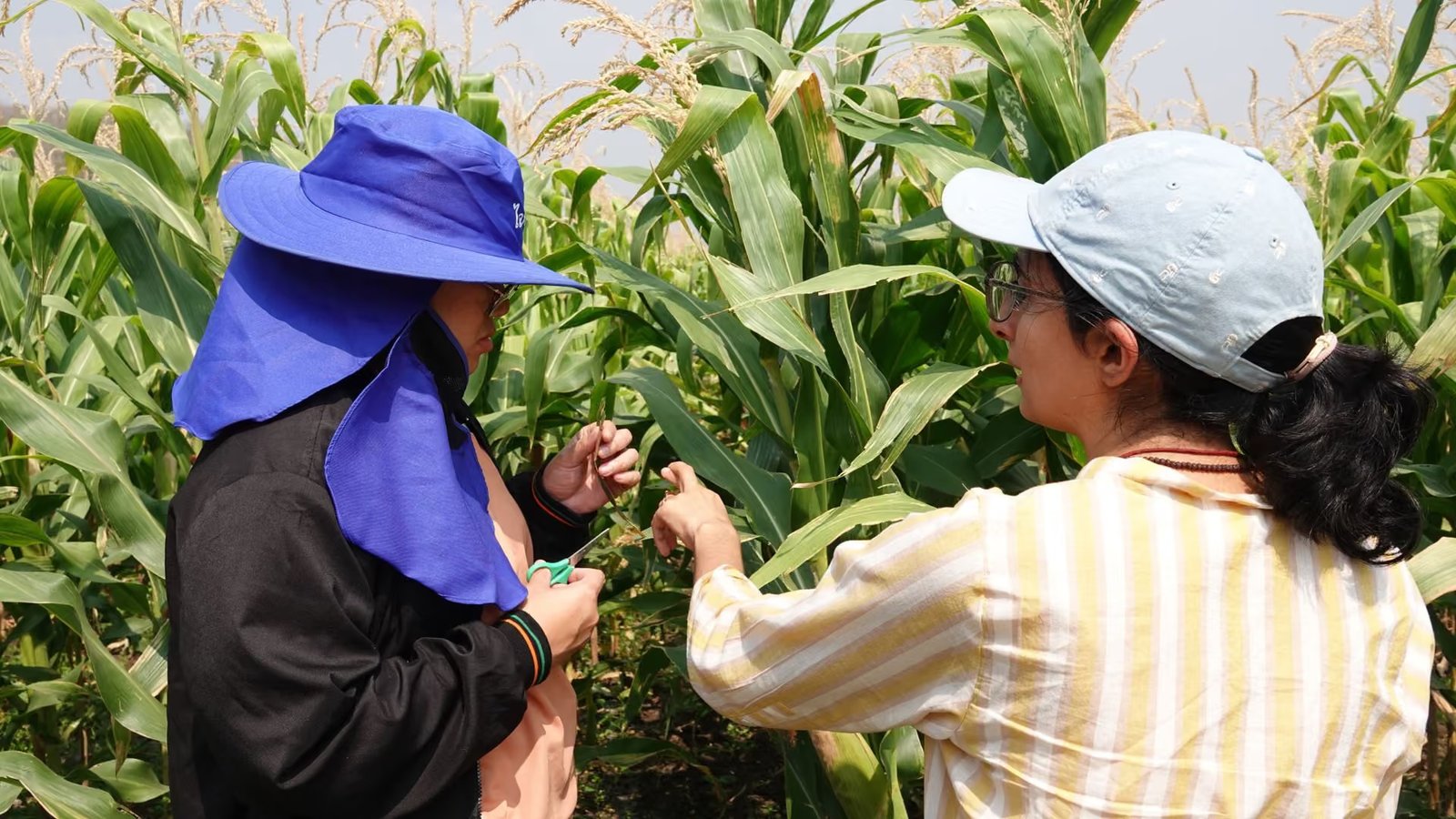
Complementing these efforts is the introduction of CLIMAX Pro, a newly developed programme that enables oil palm farmers to calculate their carbon footprint. Initiated by the Sustainable Palm Oil Procurement Project on Climate Mitigation and Adaptation (SPOPP-CLIMA) and implemented by GIZ in collaboration with Global Green Chemicals plc (GGC), this free tool empowers farming groups to quantify the greenhouse gas emissions associated with their palm oil production activities.
By identifying the most significant emission sources, farmers can better prioritise practical solutions to reduce carbon emissions while strengthening their participation in climate mitigation efforts.
Also being developed alongside the Department of Agriculture, Walailak University, and the Thailand Smallholder Facilitator Network, The Khanom Model serves as a demonstration of BMP-based, low-carbon oil palm production. By integrating improved soil management, optimised input use, organic amendments such as biochar, and environmentally responsible practices, it functions as a dynamic learning platform for smallholders.
These multiple initiatives along several fronts provide pilot low-carbon models that can be replicated to improve farm performance, reduce emissions, and strengthen smallholder resilience – demonstrating Thailand’s clear and collaborative actions to step up sustainability efforts to fight the climate emergency.