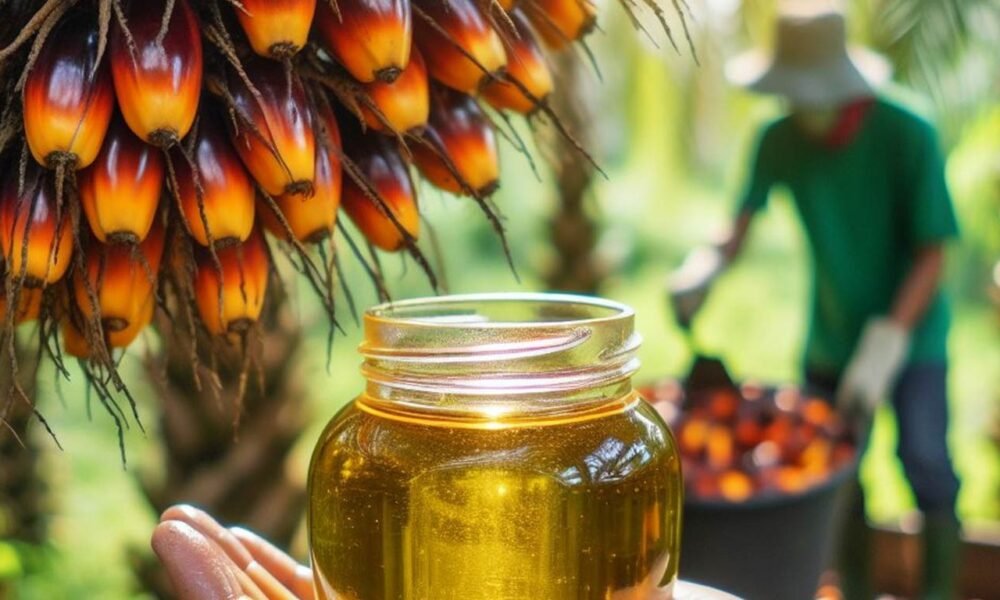
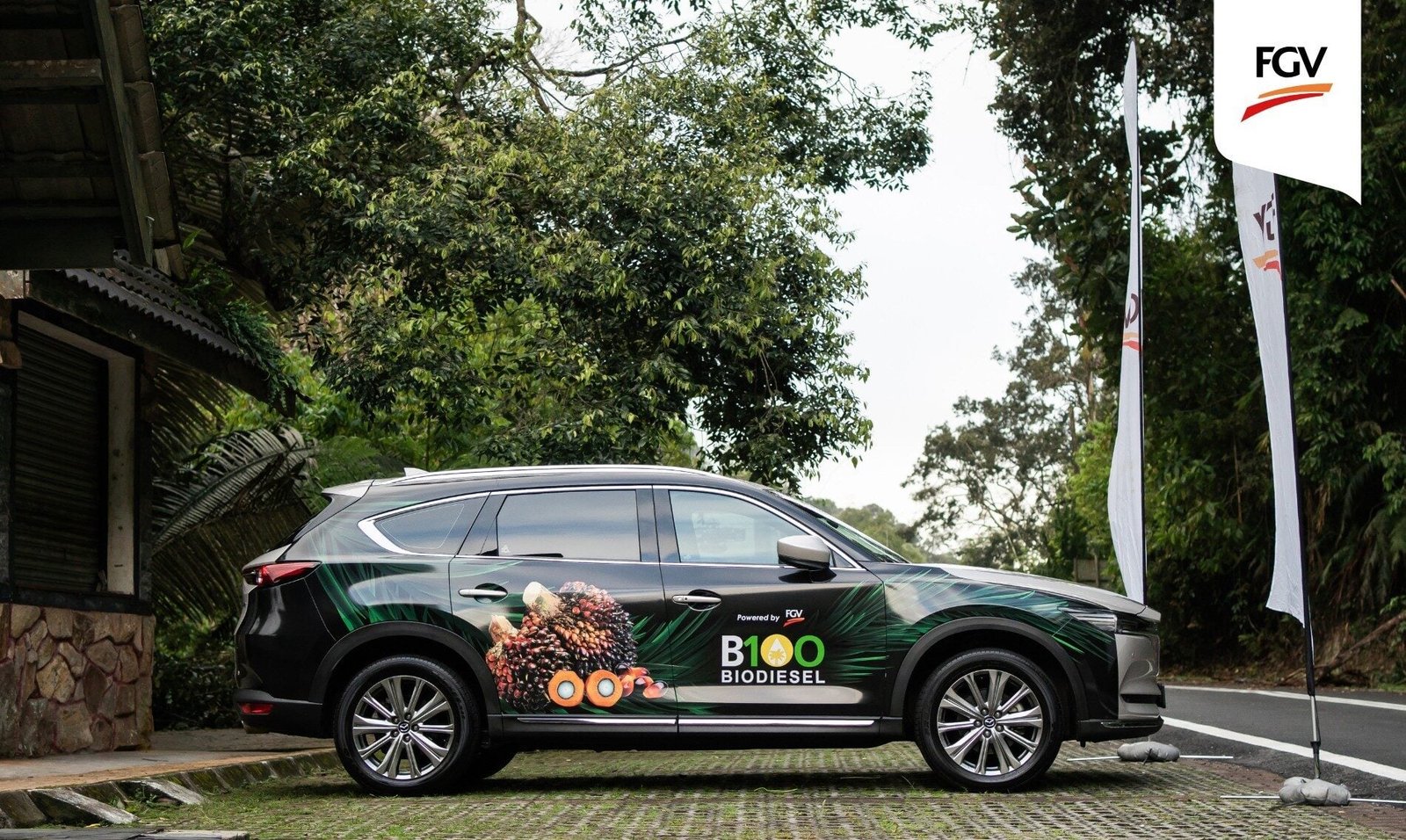
FGV Holdings Berhad has entered a new phase of its B100 Biodiesel pilot programme, expanding trials from road vehicles to plantation machinery as Malaysia accelerates efforts to unlock new applications for locally produced renewable fuels. The expanded pilot marks a significant milestone in FGV’s strategy to explore how 100 per cent palm oil-based biodiesel can support agricultural operations, reduce reliance on fossil fuels and create greater value from Malaysia’s palm-based resources.
Moving beyond earlier on-road vehicle evaluations, the latest six-month trial will assess the technical performance, reliability and operational suitability of B100 under real plantation conditions, where equipment operates under demanding workloads, variable environments and extended operating cycles. The pilot is being conducted at the Tun Abdul Razak Agricultural Research Centre (PPPTAR) estate in Jerantut, involving approximately 17 units of plantation equipment, including tractors, agricultural machinery, power generators and four-wheel-drive vehicles used in daily estate activities.
Bringing Renewable Fuel Innovation into Real-World Farming
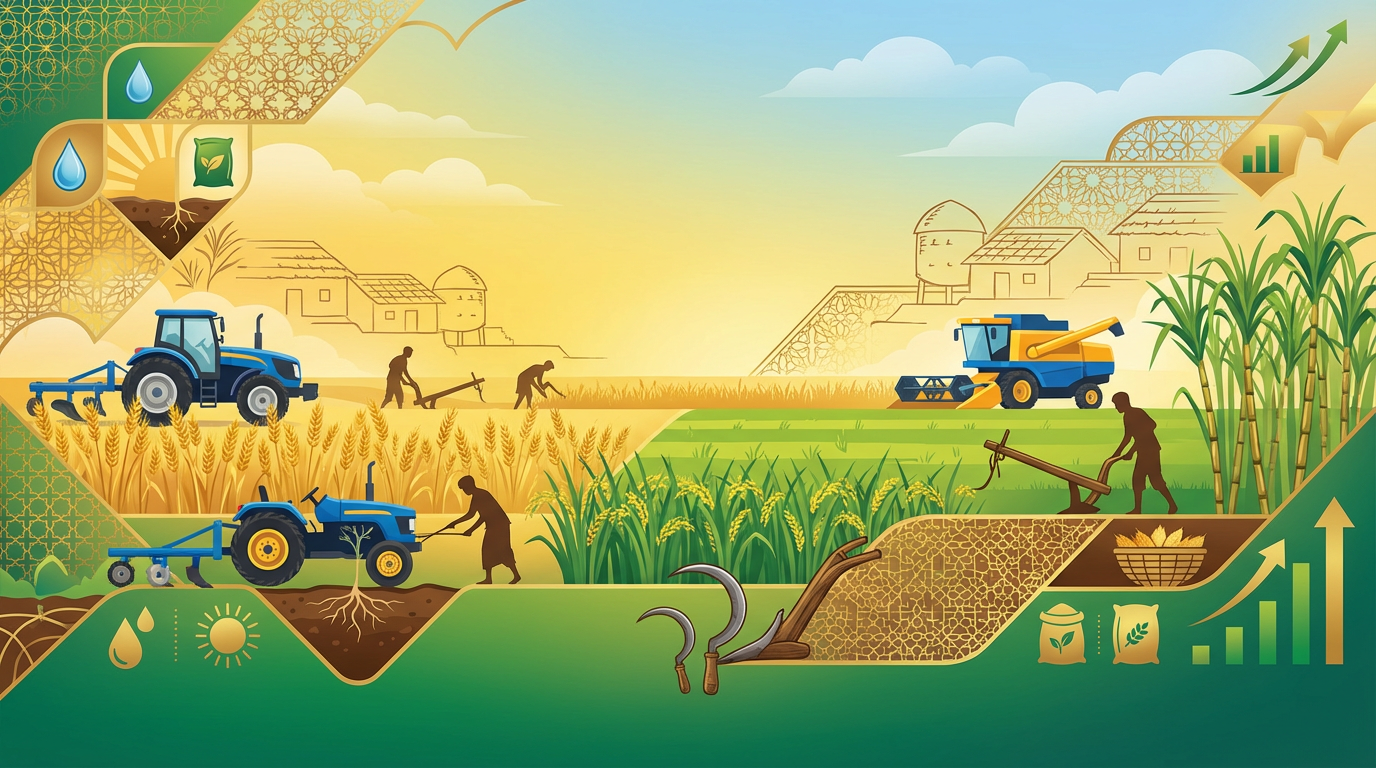
Unlike previous assessments focused primarily on transportation applications, the latest B100 trial will examine how the fuel performs in intensive plantation environments. Agricultural machinery often operates under challenging conditions involving heavy loads, long working hours and exposure to diverse field environments. Evaluating B100 in these settings will provide critical insights into fuel efficiency, engine performance and long-term operational reliability.
Produced entirely from locally sourced palm oil with zero fossil fuel content, B100 represents a potential new pathway for expanding the role of palm-based renewable energy within Malaysia’s agricultural ecosystem. FGV, one of Malaysia’s largest agribusiness companies and a leading producer of palm-based biodiesel, is adopting a data-driven approach to assess the commercial viability of B100 before considering wider implementation.
Data-Driven Assessment to Shape Future Deployment
Throughout the six-month pilot period, participating assets will undergo detailed monitoring and technical evaluation to generate comprehensive performance data. The assessment will focus on critical operational parameters, including fuel consumption efficiency, engine performance, equipment reliability, maintenance requirements and fuel quality. Before the trial begins, all participating machinery will undergo inspection and servicing to establish baseline performance benchmarks. These reference points will allow FGV’s technical teams to accurately measure changes and assess the impact of B100 throughout the evaluation period.
The phased testing approach reflects FGV’s commitment to ensuring that future adoption decisions are supported by technical evidence and real-world operational results.
Supporting Malaysia’s Renewable Energy Transition
The B100 initiative aligns with Malaysia’s broader ambition to increase the use of renewable resources while developing higher-value applications for palm oil. As countries worldwide seek alternatives to conventional fossil fuels, biodiesel derived from agricultural resources is gaining importance as a practical solution for reducing emissions and improving energy resilience.
By testing B100 within plantation operations, FGV is exploring the possibility of creating a more integrated energy ecosystem — where palm-based fuels produced from the agricultural sector help power the same industry that supplies their raw materials. This approach could strengthen the sustainability profile of Malaysia’s palm oil value chain while supporting domestic renewable energy development.
Unlocking New Value from Palm-Based Innovation
FGV’s expanded B100 programme reflects the company’s focus on innovation-driven growth and responsible resource utilisation. The initiative highlights the potential of palm oil beyond traditional applications by exploring its role as a renewable energy source for agricultural operations. According to Datuk Abu Huraira, the expansion of the B100 assessment into plantation operations demonstrates FGV’s commitment to creating new opportunities for palm oil through innovation, technical validation and evidence-based development.
The company aims to identify practical solutions that enhance operational efficiency while supporting environmental and sustainability objectives.
The Future of Plantation Energy
The success of the B100 pilot could create new opportunities for renewable fuel adoption across Malaysia’s agricultural sector, particularly in plantation operations that currently depend heavily on diesel-powered machinery. As the global energy transition gathers momentum, locally produced biofuels are emerging as important tools for reducing carbon emissions, strengthening energy security and supporting circular economy principles.
FGV’s B100 biodiesel programme represents a strategic move towards a future where palm-based renewable fuels could become an integral part of agricultural operations. By combining palm oil innovation, renewable energy development and modern farming practices, FGV is positioning itself at the forefront of Malaysia’s evolving biofuel landscape — transforming a traditional agricultural commodity into a potential driver of cleaner energy solutions.