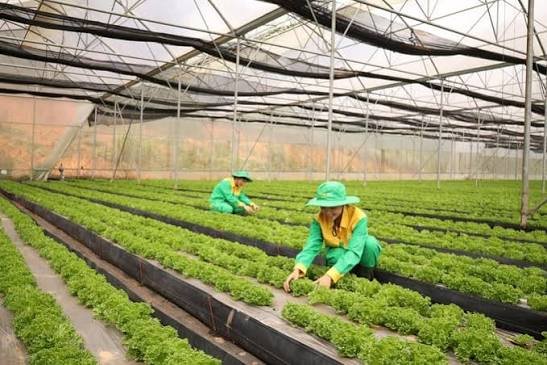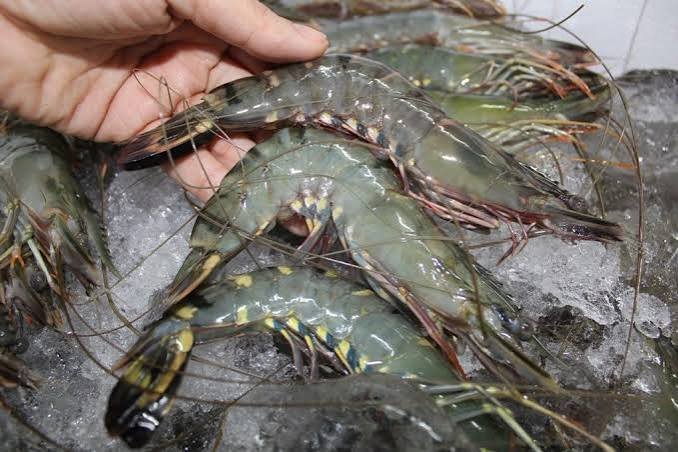

The Philippines is seeking to expand agricultural exports and strengthen international food supply partnerships with Canada and Brazil following bilateral discussions held during the 49th ASEAN Summit in Manila. The talks focused on improving market access for Philippine farm and fisheries products, securing reliable food imports and exploring agricultural technology cooperation.
Agriculture Secretary Francisco Tiu Laurel Jr. discussed the country's trade priorities with Canadian Prime Minister Mark Carney and Brazilian President Luiz Inácio Lula da Silva as part of efforts to diversify agricultural markets and strengthen supply chain resilience.
Canada trade agreement opens new opportunities
Discussions with Canada followed the conclusion of negotiations for a bilateral free trade agreement, which both countries aim to formally sign in 2027.
The proposed agreement is expected to create additional opportunities for agricultural exports and strengthen commercial cooperation between the two countries once implemented.
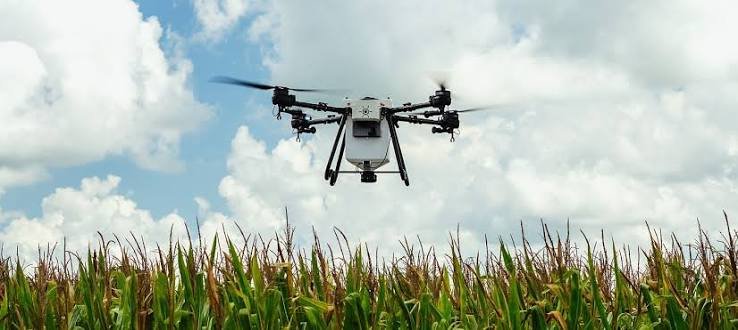
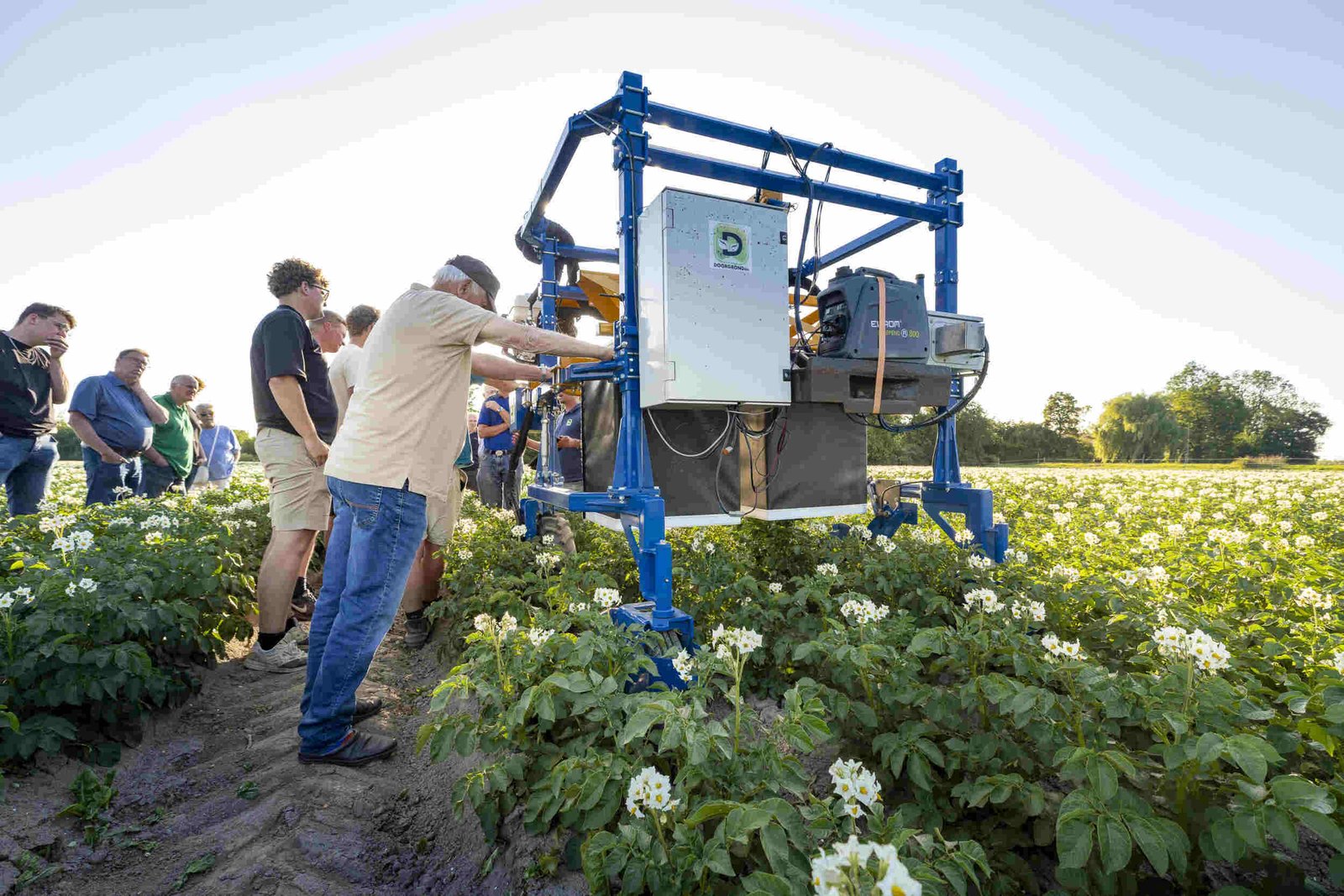
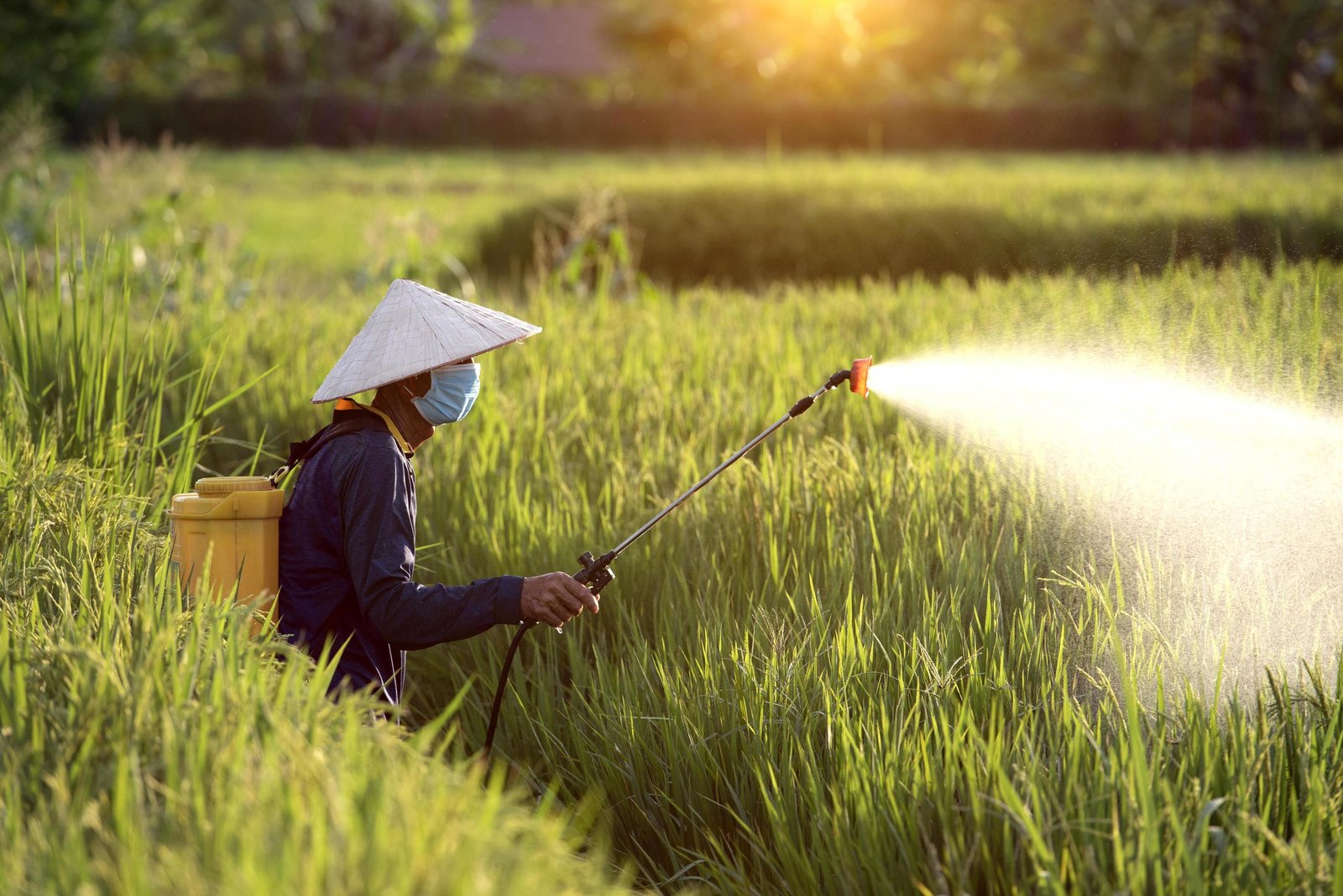
Tiu Laurel highlighted the Philippines' interest in expanding agricultural exports to Canada while gaining access to technologies that could support domestic farm modernisation.
The two countries are also exploring opportunities to strengthen agricultural productivity through technology exchange and improved market connections.
Canada remains an important potential destination for Philippine agricultural products as the government seeks to diversify export markets and improve opportunities for domestic producers.
Brazil cooperation focuses on exports and meat supplies
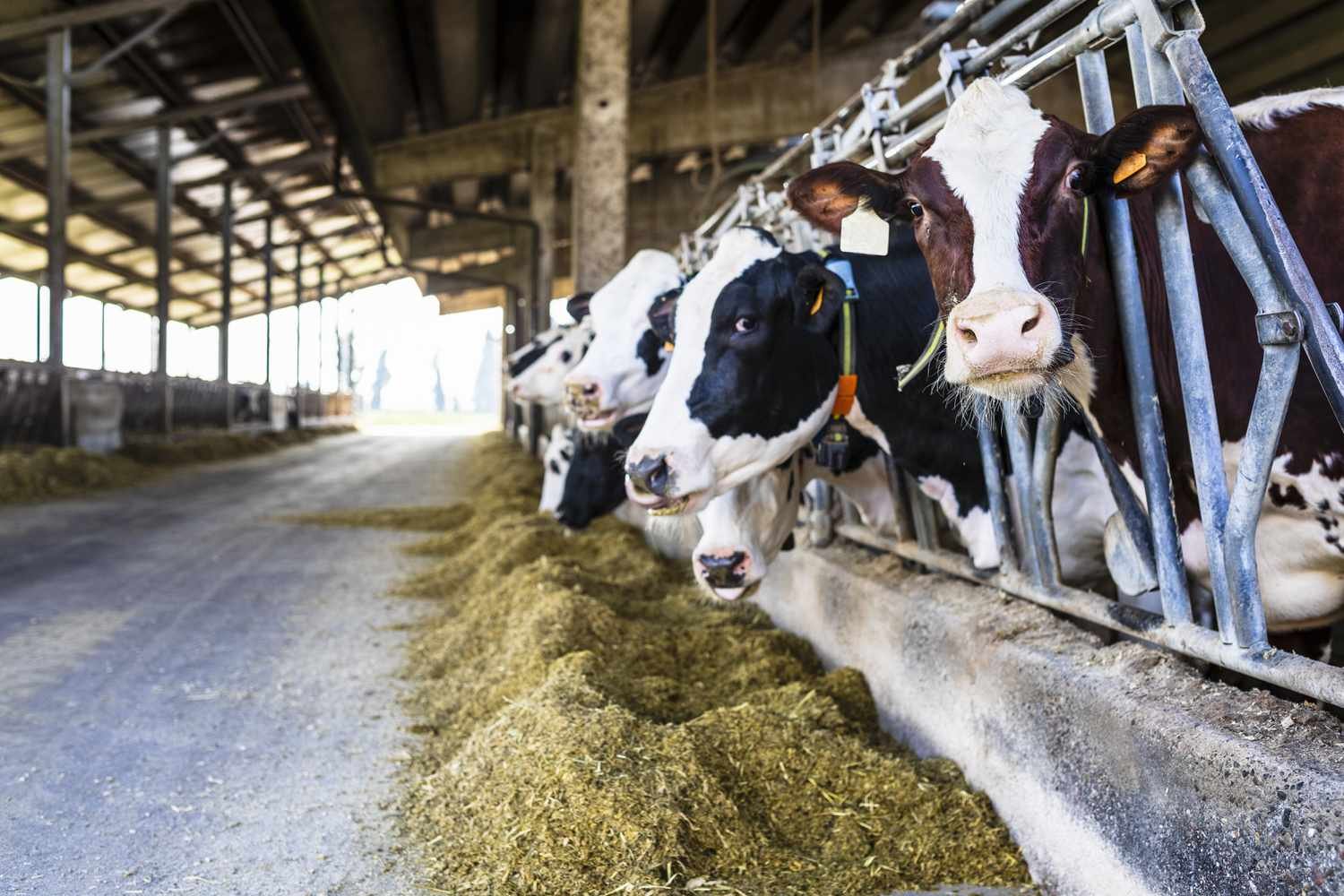
Discussions with Brazil focused on maintaining agricultural trade, addressing meat supply concerns and identifying new export opportunities for Philippine producers.
Brazil is a major supplier of beef, pork and poultry to the Philippines, including beef used in processed meat production.
During the discussions, Brazilian officials raised concerns about the Philippines' temporary 60-day restriction on certain pork imports. Philippine authorities said the measure was intended to support the recovery of the domestic hog industry.
The Philippines expressed interest in maintaining agricultural trade with Brazil following the restriction while encouraging greater imports of Philippine agricultural products.
Potential export commodities discussed included tobacco, fish, sardines, tuna, milkfish and purple yam.
The countries also signed a memorandum of understanding on agricultural cooperation on 14 November 2026, covering sustainable and climate-resilient agriculture, research, innovation, agribusiness capacity development and agricultural value chains.
Strengthening agricultural trade and food security
The bilateral engagements formed part of broader discussions at the ASEAN Summit addressing food security, agricultural trade, fertiliser supplies and supply chain challenges.
The Philippine Department of Agriculture is seeking to convert these engagements into stronger export opportunities, technology partnerships and dependable agricultural commodity supplies.
However, the expansion of agricultural trade will depend on the implementation of bilateral arrangements, market access requirements and the development of commercial agreements between exporters and buyers.
The initiatives reflect the Philippines' efforts to diversify agricultural trading partners while supporting farmers, fisheries producers and livestock businesses through improved international market connections.