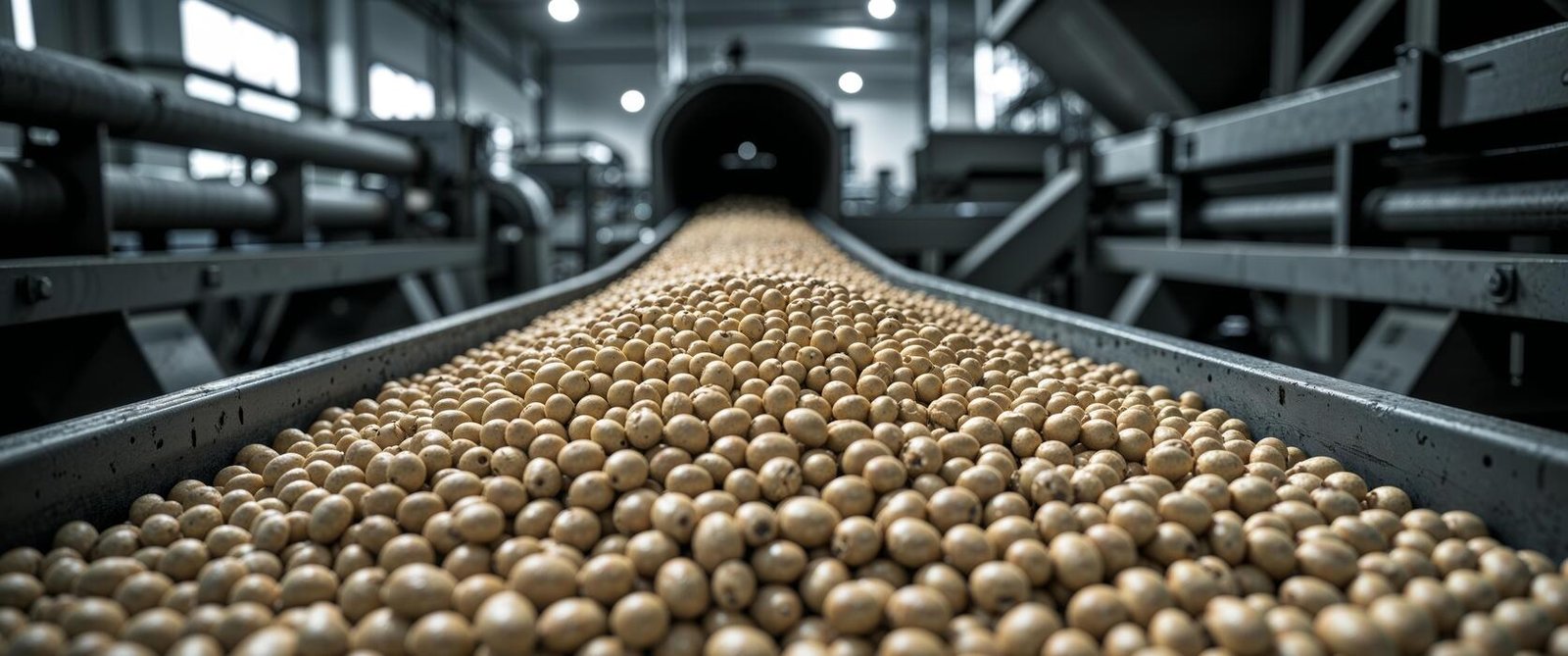
The European Parliament has voted to block a proposed regulation that would have classified soybean oil as a high indirect land-use change (ILUC) risk feedstock under the Renewable Energy Directive, handing a significant policy victory to Europe's agricultural and bioeconomy sectors. The decision follows the Parliament's adoption of a motion objecting to the European Commission's Delegated Regulation (EU) 2026/2680, a proposal that had raised concerns across the continent's farming, feed, processing and biofuel industries. The move was widely welcomed by a broad coalition representing farmers, agricultural cooperatives, seed companies, feed manufacturers, processors, biodiesel producers and commodity traders, who argued that the proposed classification lacked scientific balance and threatened investment across the soy value chain.
Industry groups described the parliamentary vote as an endorsement of evidence-based policymaking and a step towards aligning the European Union's renewable energy ambitions with its broader agricultural competitiveness and food security objectives. The outcome is expected to provide greater regulatory certainty for businesses that rely on soybeans and soybean-derived products across Europe's food, feed and renewable fuel sectors. Soybean oil and meal remain integral to the region's livestock production systems, while soybeans have become increasingly important to the EU's strategy of expanding domestic protein production and reducing dependence on imported feed ingredients.
The decision also carries broader strategic implications. As Europe seeks to strengthen supply chain resilience amid geopolitical uncertainty and rising sustainability expectations, policymakers have been under growing pressure to ensure climate regulations do not inadvertently undermine agricultural productivity, protein self-sufficiency or rural investment. Industry stakeholders argued that categorising soybean oil as a high ILUC-risk feedstock could have weakened incentives for investment throughout the European soy ecosystem, affecting processors, livestock producers, feed manufacturers and renewable fuel producers alike. The Parliament's intervention, they said, preserves a more stable environment for innovation and long-term capital deployment across the sector.
Looking ahead, the coalition has urged the European Commission to revisit its approach and develop a scientifically robust and transparent methodology that balances climate objectives with agricultural competitiveness. The organisations contend that future policy should support both decarbonisation and Europe's ambition to build a stronger domestic protein economy without creating unintended market distortions. The parliamentary vote highlights the increasingly delicate balancing act facing European policymakers as they pursue ambitious climate targets while safeguarding food security, farm incomes and the competitiveness of the region's agricultural value chains.