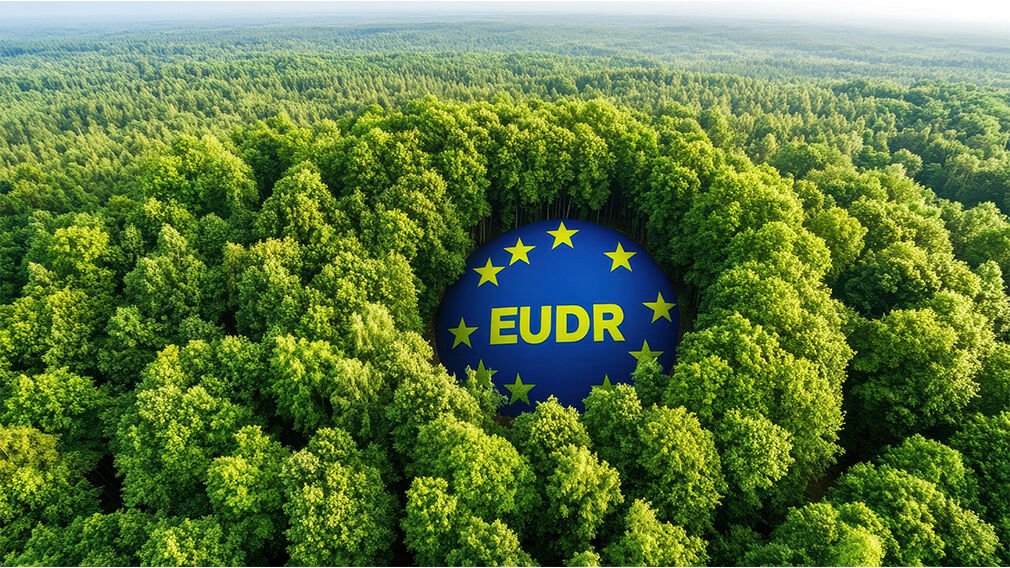
Euroseeds has welcomed the European Commission's decision to exclude soybean seeds for sowing from the scope of the EU Deforestation Regulation (EUDR), describing the move as a pragmatic policy refinement that recognises the unique characteristics of the seed value chain while maintaining the Regulation's environmental integrity.
The exemption, introduced through a Delegated Act adopted on 13 July 2026 amending Annex I of the EUDR, removes soybean seeds intended for planting from the Regulation's due diligence requirements, providing greater regulatory clarity for Europe's seed companies and plant breeders.
Euroseeds, which has consistently advocated for the exclusion, argued that certified soybean seed forms part of a highly regulated, fully traceable and distinct production system that bears no meaningful link to deforestation or land-use change. Subjecting the sector to the same compliance obligations as commodity supply chains, the association maintained, would have imposed significant administrative complexity without generating corresponding environmental gains.
According to Euroseeds, extending EUDR due diligence requirements to soybean seed production would have disproportionately increased compliance costs for breeders and seed companies, potentially restricting access to breeding material, slowing innovation and undermining broader European efforts to expand domestic plant protein production.
Beyond its immediate implications for the seed sector, the Commission's decision highlights the importance of risk-based and evidence-driven regulation. Euroseeds noted that environmental legislation delivers maximum effectiveness when compliance obligations are aligned with demonstrable deforestation risks rather than applied uniformly across fundamentally different agricultural activities.
The association emphasised that sectors such as soybean breeding and certified seed production, which operate within transparent and tightly controlled value chains, should not be subject to regulatory measures intended for commodities directly associated with forest conversion. Recognising these distinctions, it argued, strengthens both regulatory credibility and implementation efficiency while avoiding unintended consequences for agricultural innovation.
Euroseeds further described the amendment as an example of proportionate policymaking that balances environmental ambition with economic competitiveness. By maintaining the EUDR's focus on products genuinely linked to deforestation risk, the revised framework provides greater legal certainty for seed companies, safeguards breeding innovation and supports the European Union's strategic objectives for sustainable agriculture, food security and greater protein self-sufficiency.
The organisation said the Commission's decision reinforces confidence that future sustainability legislation can continue to combine robust environmental safeguards with science-based regulation that enables innovation, investment and long-term resilience across the European agricultural sector.