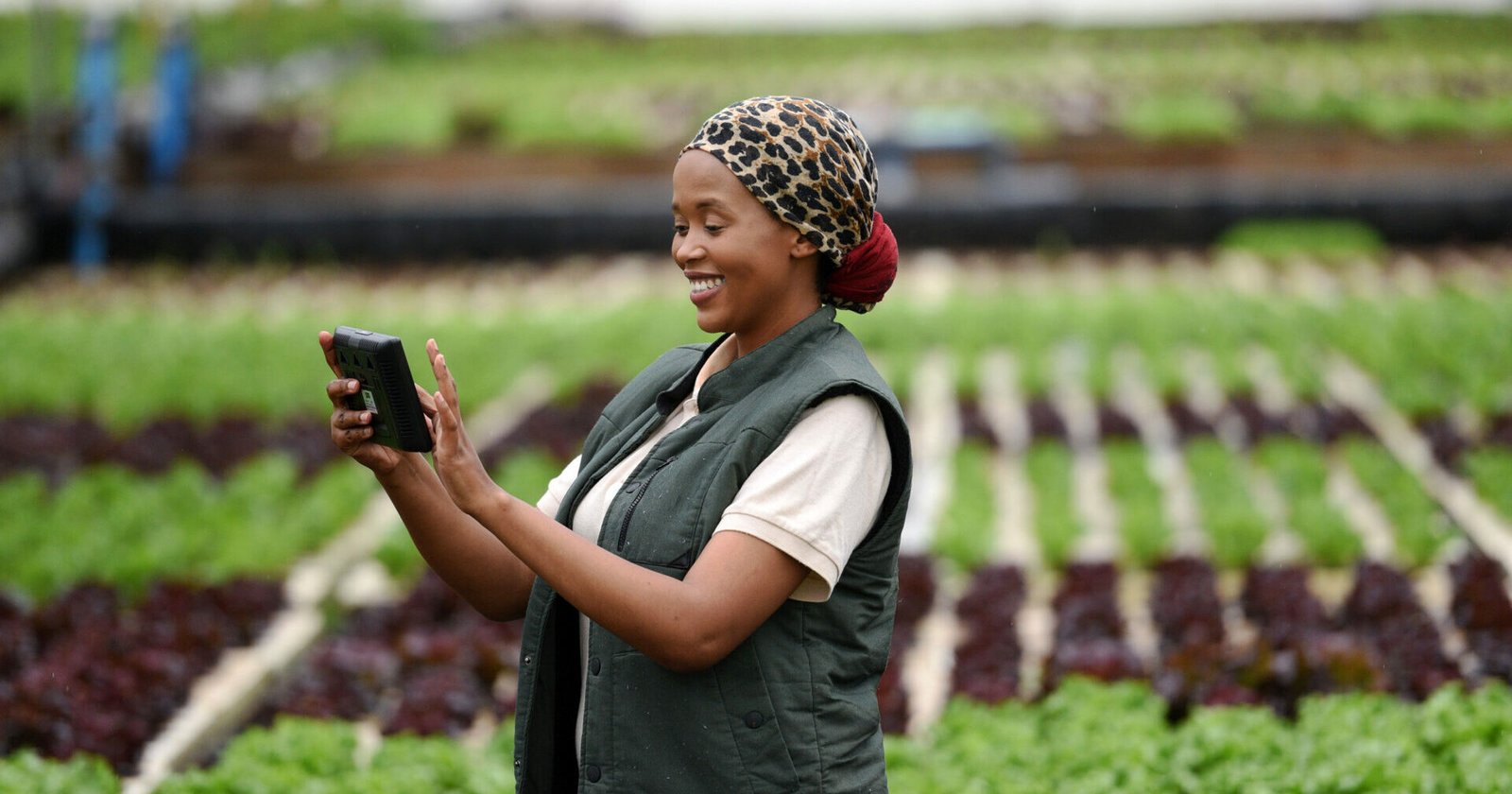
Global analytics and artificial intelligence company SAS is leveraging data science to support South Africa's micro-farmers, demonstrating how advanced analytics can improve agricultural decision-making, strengthen local food systems and create new economic opportunities for some of the world's most underserved farming communities.
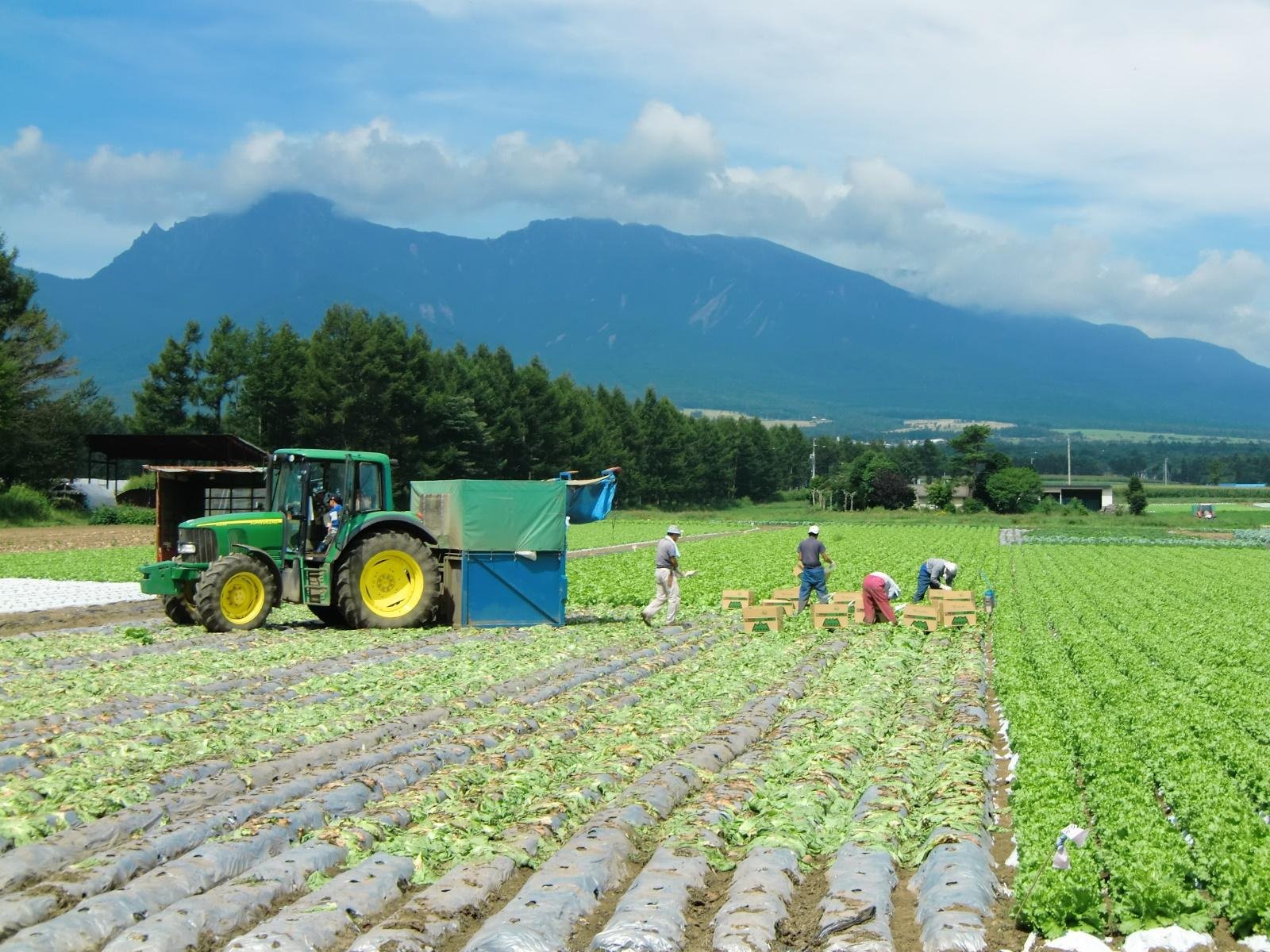
Through a collaborative initiative with dataDecisions.ai and The Dream, SAS analyzed seasonal crop performance, growth cycles and market pricing data from micro-farms situated near South Africa's Cradle of Humankind, a UNESCO World Heritage Site. The region is home to thousands of small-scale producers who cultivate crops on modest plots adjacent to homes and informal settlements, often with limited access to technology, financing and formal markets.
The project employed advanced analytics to identify which crops offered the strongest potential returns, the most suitable planting periods and the optimal production volumes under highly constrained conditions. The assessment evaluated crop performance across multiple growing seasons, incorporating factors such as yield variability, maturation timelines and prevailing market prices.
By translating complex datasets into practical recommendations, the initiative aims to reduce uncertainty for micro-farmers, enabling them to allocate scarce resources such as water, labor and inputs more efficiently. Importantly, the approach delivers actionable insights without relying on expensive digital infrastructure or sophisticated on-farm technologies that are often beyond the reach of smallholders.
The initiative also underscores the critical role of micro-farming in supporting household nutrition and community food security. Unlike large-scale commercial agriculture, these small farms often serve as a direct source of sustenance and income for vulnerable communities, making improvements in productivity and profitability particularly consequential.
The findings provide a pathway for micro-farmers to transition from informal subsistence production toward more predictable income streams and greater participation in local markets. By improving access to data-driven decision-making, the project seeks to empower small producers as indispensable contributors to regional food systems and economic development.
As climate variability, resource constraints and food security challenges intensify globally, the initiative highlights the growing potential of artificial intelligence and advanced analytics to deliver meaningful impact in agriculture, particularly for smallholders who have historically been excluded from technological advancements.
The project demonstrates that data-driven agriculture is not solely the preserve of large commercial operations. When tailored to local realities, analytics can become a powerful tool for improving livelihoods, enhancing resilience and strengthening food systems from the ground up.