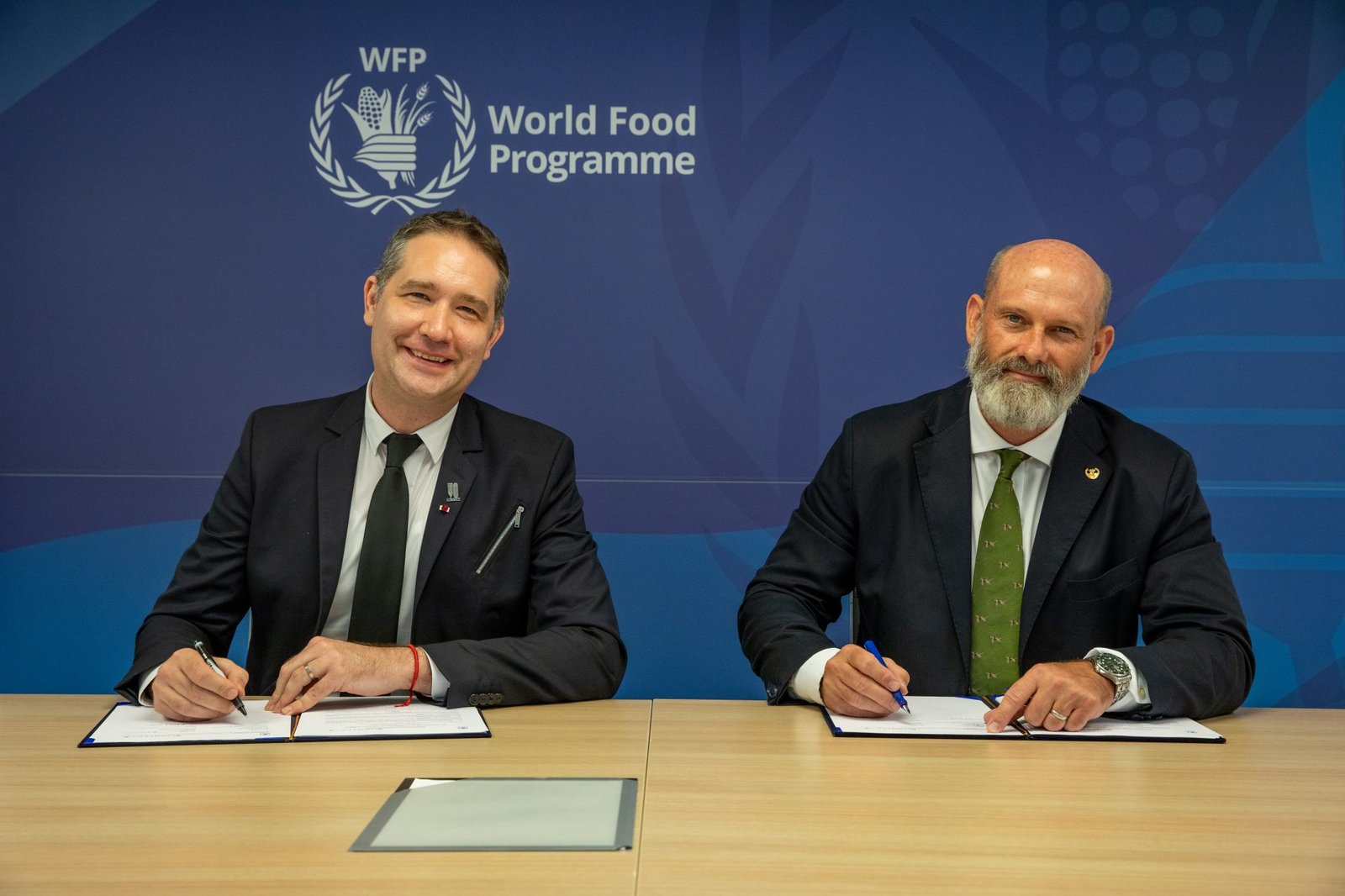
The International Maize and Wheat Improvement Center (CIMMYT) and the United Nations World Food Programme (WFP) have signed a landmark global partnership aimed at reshaping how countries respond to food crises by integrating humanitarian assistance with long-term agricultural resilience.
Formalized through a Memorandum of Understanding (MoU) at WFP headquarters in Rome, the agreement brings together one of the world's foremost agricultural research organizations with the largest humanitarian agency fighting hunger, reflecting a growing recognition that addressing food insecurity requires both emergency response and sustained investment in resilient food systems.
The partnership comes as escalating conflicts, climate change, economic instability and supply chain disruptions continue to place unprecedented pressure on global agriculture, increasing the frequency and severity of food emergencies worldwide.
Under the agreement, CIMMYT and WFP will collaborate across the entire food security continuum—from delivering life-saving assistance during humanitarian crises to restoring agricultural production, strengthening seed systems, improving farmer livelihoods and building climate-resilient agrifood systems capable of withstanding future shocks.
By combining WFP's extensive operational presence in humanitarian emergencies with CIMMYT's eight decades of agricultural research and innovation, the organizations aim to help vulnerable communities transition more rapidly from emergency relief to sustainable food production and long-term self-reliance.
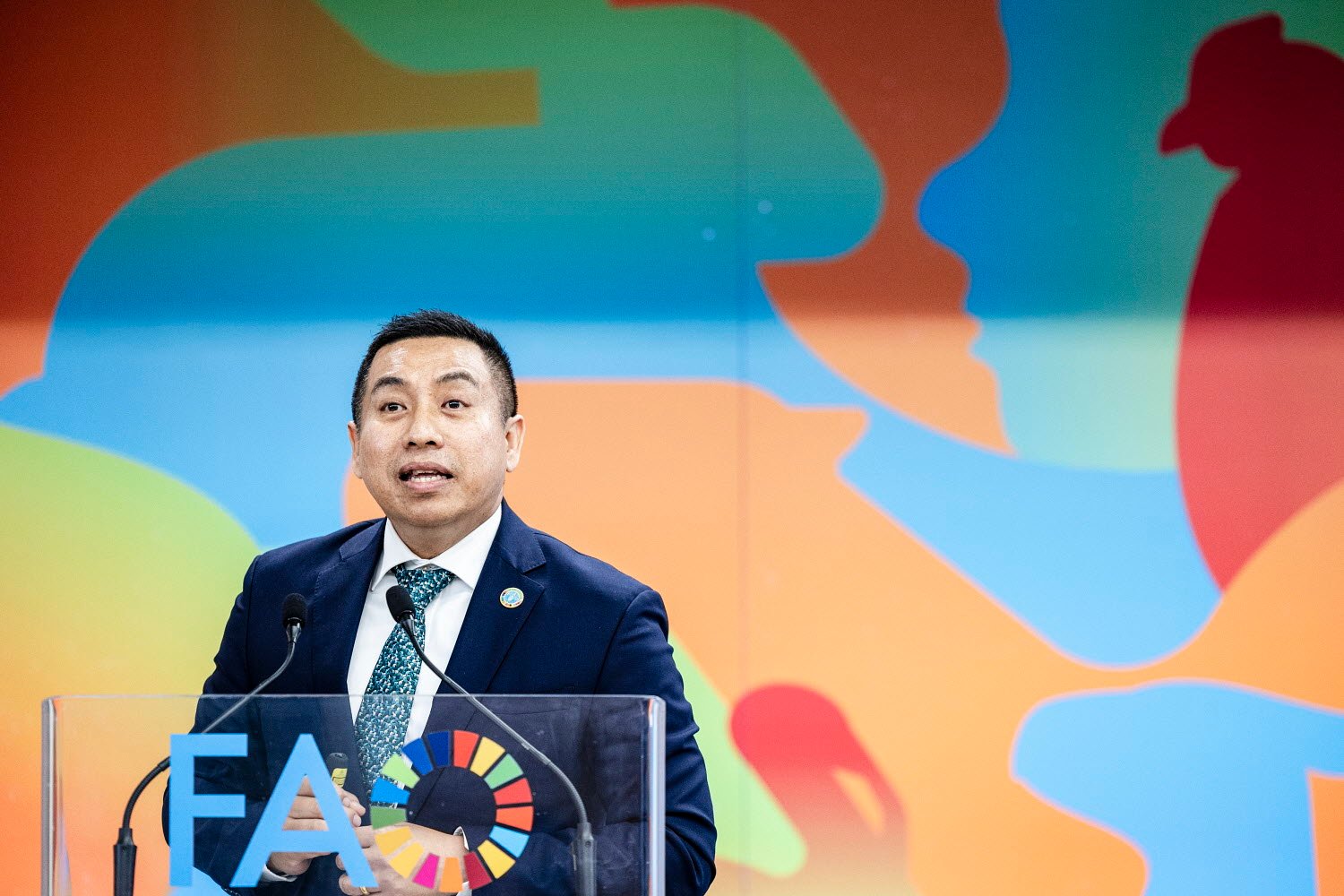
"Ending hunger calls for more than delivering food today. It requires helping people recover, rebuild their livelihoods, and restore the agricultural systems they depend on," said Matthew Hollingworth, Assistant Executive Director of the World Food Programme. "Through this strengthened partnership with CIMMYT, we are combining WFP's global operational reach with world-class agricultural science to help communities recover faster, enable self-reliance and build a more secure future."
For CIMMYT, the agreement reflects a broader strategy of positioning agricultural innovation as a central pillar of humanitarian recovery.
"Food security doesn't begin or end with emergency response," said Dr. Bram Govaerts, Director General of CIMMYT. "By bringing together WFP's humanitarian leadership and CIMMYT's innovation in seeds, farming systems, nutrition and smallholder market development, we can help countries move from crisis to resilience—and in some cases prevent future shocks from becoming humanitarian crises."
The expanded collaboration builds upon existing joint initiatives, including the Boosting Agrifood Systems Resilience (BOOST) Project in Sudan, supported by the African Development Bank. The four-year programme is expected to benefit more than 230,000 farming households, generate nearly one million metric tons of cereals and pulses, and produce enough grain to meet the annual cereal requirements of almost nine million people.
Beyond increasing food production, the Sudan initiative focuses on strengthening certified seed systems, promoting climate-resilient farming practices, improving market access and reducing post-harvest losses—demonstrating how integrated humanitarian and agricultural interventions can reduce long-term dependence on food aid.
The agreement underscores a broader shift in global food security policy, where humanitarian organizations and agricultural research institutions are increasingly collaborating to address the structural drivers of hunger rather than solely responding to emergencies. As climate volatility and geopolitical uncertainty continue to challenge global food systems, partnerships that combine scientific innovation with operational humanitarian capacity are expected to play an increasingly important role in strengthening resilience and safeguarding future food supplies.