The Philippines' flagship food market intervention program has surpassed PHP4.42 billion (approximately $ 77 million) in cumulative sales, underscoring the government's efforts to improve food affordability while creating stronger market opportunities for farmers and fisherfolk.
According to the Department of Agriculture, the KADIWA ng Pangulo initiative generated more than PHP 4.42 billion in sales between July 2022 and July 20, 2026, reaching over 12 million consumers through more than 22,000 marketing activities conducted nationwide.
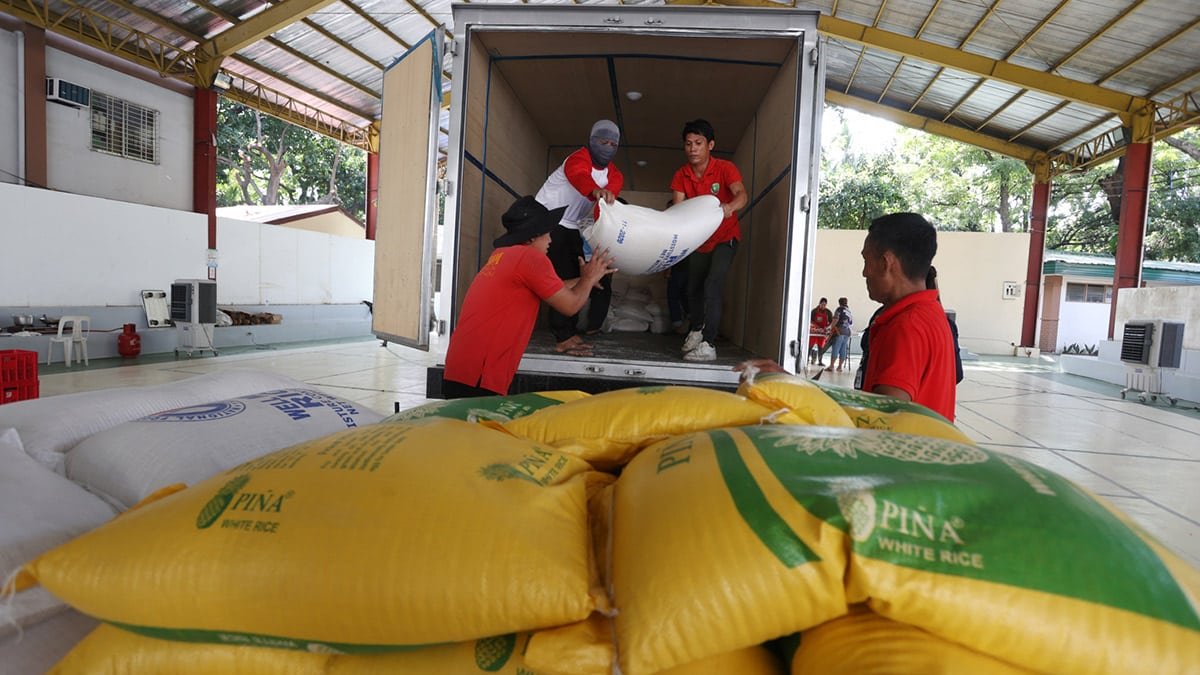
A significant share of the program's growth has been driven by the government's subsidized rice initiative, introduced in May 2025 to provide affordable rice to priority groups, including senior citizens, persons with disabilities, solo parents, minimum-wage earners, public transport workers, low-income households, and registered farmers and fisherfolk.
Since its launch, the rice program has recorded approximately PHP2.4 billion in sales after distributing more than 121,000 metric tonnes of rice to an estimated 12.1 million beneficiaries, highlighting continued demand for affordable staple food as households navigate elevated living costs.
The expansion has also significantly increased the program's national footprint. More than 800 dedicated affordable rice outlets are now operating across the country, including hundreds of regularly scheduled selling sites, while the subsidized rice initiative has expanded into 57 provinces. The broader KADIWA retail network now includes more than 820 permanent outlets, strengthening direct access to agricultural products for consumers.
Agriculture Secretary Francisco P. Tiu Laurel Jr. said the initiative demonstrates how shortening agricultural supply chains can generate benefits for both producers and consumers by reducing intermediary costs while improving farmers' market returns.
Beyond subsidized rice, KADIWA has evolved into a broader farm-to-market platform that connects agricultural producers directly with consumers. The Department of Agriculture has accredited nearly 190 suppliers and consolidators, expanding marketing opportunities for farmers, fisherfolk and agribusiness enterprises while reducing dependence on traditional distribution channels.
Assistant Secretary Genevieve E. Velicaria-Guevarra, who oversees agribusiness, marketing and consumer affairs within the department, said the initiative has developed into a key component of the government's food security strategy by improving access to affordable food while strengthening domestic agricultural markets.
The program's continued expansion comes as food inflation eases in the Philippines, with policymakers increasingly relying on targeted market interventions to complement broader efforts aimed at stabilizing food prices. Analysts note that sustaining the initiative's long-term impact will depend not only on continued consumer support but also on improvements in domestic agricultural productivity that strengthen local food supply alongside affordability measures.