South Korea has introduced its first national master plan dedicated to developing the food technology industry, unveiling an ambitious strategy to integrate advanced technologies across the food value chain while strengthening the country's position in the rapidly expanding global food-tech market.
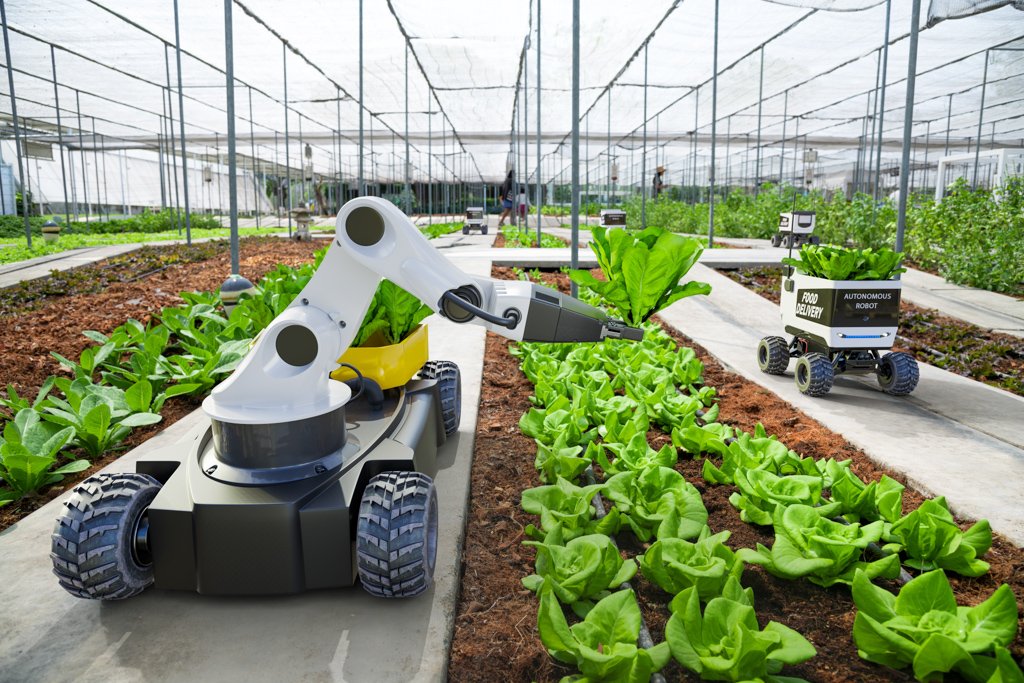
The Ministry of Agriculture, Food and Rural Affairs announced the roadmap following the implementation of the Food Tech Industry Promotion Act, the world's first standalone legislation specifically designed to support the food technology sector. The master plan provides a long-term framework for commercializing innovation, attracting private investment and accelerating the adoption of advanced technologies throughout food production, processing, distribution and consumer services. Food technology is increasingly combining artificial intelligence, biotechnology, robotics, automation and the Internet of Things to reshape food systems. Applications range from robotic food preparation and automated delivery to alternative proteins, precision manufacturing and digital supply chain management.
Rather than relying primarily on government-led support, the new strategy emphasizes a private sector-driven innovation ecosystem built around collaboration among businesses, universities, research institutions and local governments. The plan is structured around four strategic priorities aimed at strengthening regional industrial development, expanding investment, increasing global competitiveness and accelerating technology commercialization while modernizing regulations.
One of the central objectives is the development of regionally specialized agri-food innovation clusters linked to major economic development zones across the country. The ministry plans to expand the number of Food Tech Research Support Centres from seven to ten by 2030 while strengthening partnerships between technology companies, academic institutions and research organizations. Regional supply chain initiatives will also connect agricultural producers with food-tech companies through long-term procurement agreements to promote higher-value agricultural production.
The strategy also places significant emphasis on workforce development and startup growth. Beginning in 2026, postgraduate education programs focused on food technology will be expanded to include doctoral-level training, while additional universities will participate in industry-linked education programs. Government-backed investment funds will also be increased to support food-tech startups and scale-up companies, with cumulative public financing expected to rise to KRW100 billion by 2027, encouraging greater private-sector investment.
International expansion represents another key pillar of the roadmap. The government plans to promote integrated export models combining Korean food products with robotics, digital technologies and culinary expertise. Demonstration events, overseas promotional programs and dedicated food technology exhibition spaces will support global commercialization of Korean innovations, while the domestic food manufacturing industry will continue expanding smart factory adoption and artificial intelligence integration.
The ministry also intends to strengthen research commercialization by expanding industry-focused research and development funding and creating an official industrial classification system for the food-tech sector by 2027. At the same time, regulatory reforms will streamline commercialization through a centralized regulatory application system and updated policies supporting circular economy initiatives, including the conversion of agricultural and food processing by-products into high-value industrial materials.
Agriculture Minister Song Miryung said the convergence of technology, food, culture and consumer experience is reshaping global markets, positioning food technology as a strategic growth engine capable of increasing the international competitiveness of Korean food products. To support implementation, the government will appoint dedicated operating agencies and establish a public-private consultative body that will facilitate ongoing collaboration between policymakers and industry stakeholders as the strategy moves into execution.