Vietnam's Tay Ninh province is positioning itself as the country's next innovation hotspot, unveiling an ambitious strategy to build a technology-driven startup ecosystem centred on artificial intelligence (AI), unmanned aerial vehicles (UAVs), high-tech agriculture and the green economy.
The roadmap, presented at the Forum on Developing Tay Ninh's Innovative Startup Ecosystem and Promoting Southern Startup Linkages, signals the province's intent to move beyond its traditional agricultural base and emerge as a regional centre for innovation, entrepreneurship and advanced manufacturing.
Organised jointly by the Vietnam Chamber of Commerce and Industry (VCCI) and the Tay Ninh Provincial People's Committee, the forum brought together policymakers, entrepreneurs, investors and innovation experts to discuss strategies for strengthening southern Vietnam's startup ecosystem through greater regional collaboration.
Speaking at the event, Le Van Han, Chairman of the Tay Ninh Provincial People's Committee, said the province is aligning its development agenda with Vietnam's National Strategy on Innovative Entrepreneurship for 2026-2030, while simultaneously building an ecosystem capable of supporting technology commercialization and business creation.
Building a technology-led startup ecosystem
At the heart of Tay Ninh's strategy is the development of a comprehensive innovation infrastructure. The province plans to operationalise the first phase of the Tay Ninh Innovation Center, expand startup incubation and acceleration programmes, establish innovation spaces, and strengthen collaboration between entrepreneurs, researchers, investors and technology experts. Businesses will also receive greater support for digital transformation, technological innovation, green transition and commercialization of research-driven products.
The province has set measurable targets for the next five years. By 2030, Tay Ninh aims to develop an innovation network comprising 300 ecosystem members, address around 100 innovation challenges annually, help 100 enterprises improve productivity and competitiveness, and incubate 300 to 350 startup projects.
AI and drones become strategic growth pillars
Unlike many regional innovation strategies that focus broadly on digital transformation, Tay Ninh has identified artificial intelligence and unmanned aerial vehicles (UAVs) as two priority technologies expected to drive its next phase of economic growth.
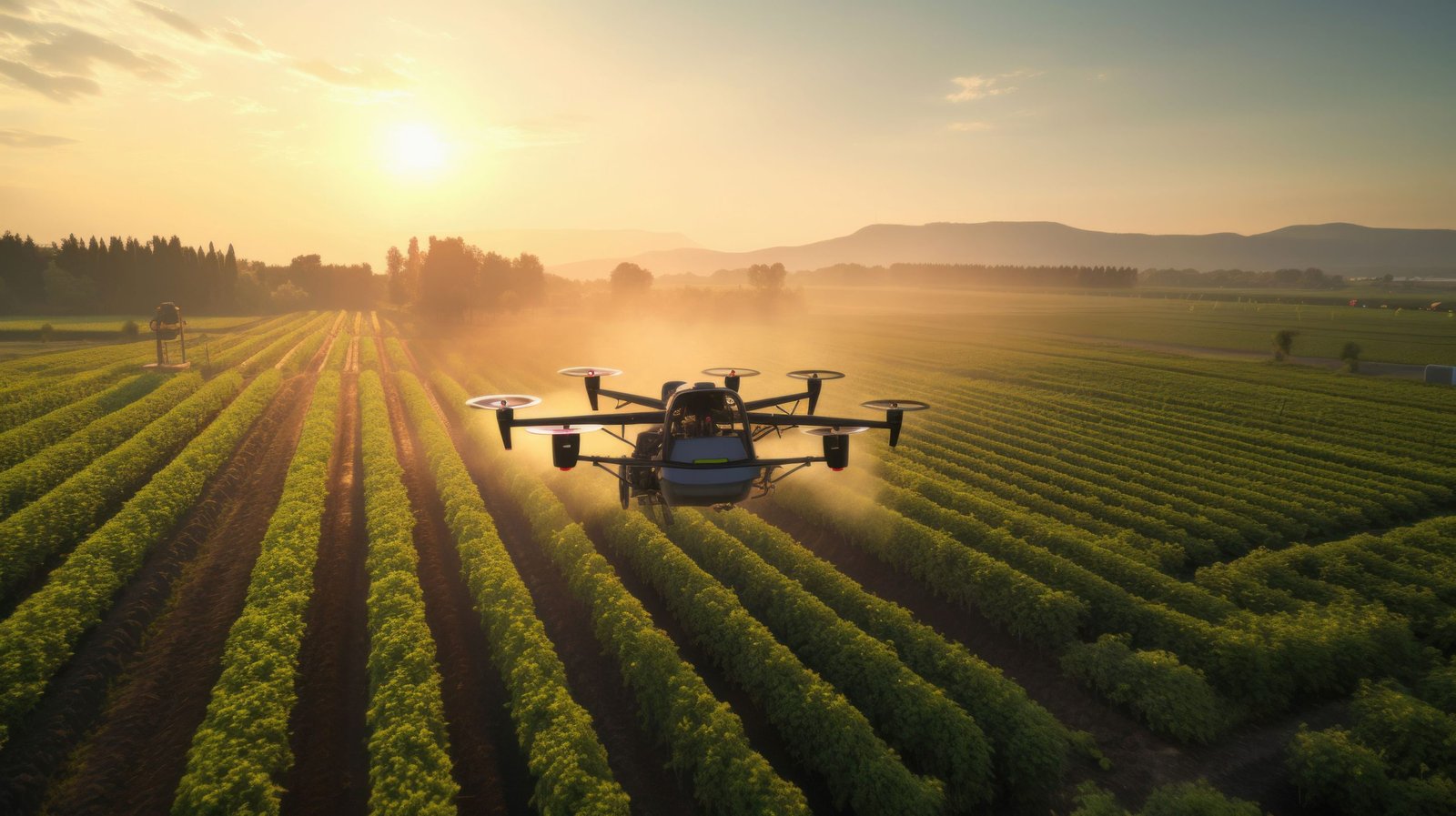
The province is preparing a dedicated UAV development strategy for 2026-2030, with a long-term vision extending to 2035. The objective is to establish a complete UAV ecosystem covering research, testing, pilot training, certification, industrial applications and supporting manufacturing industries. Officials envision Tay Ninh evolving into southern Vietnam's primary hub for drone technology, creating opportunities across agriculture, logistics, infrastructure monitoring and environmental management.
AI is expected to complement this strategy by accelerating precision agriculture, automation, digital services and smart manufacturing across key industries.
Agriculture remains at the centre of innovation
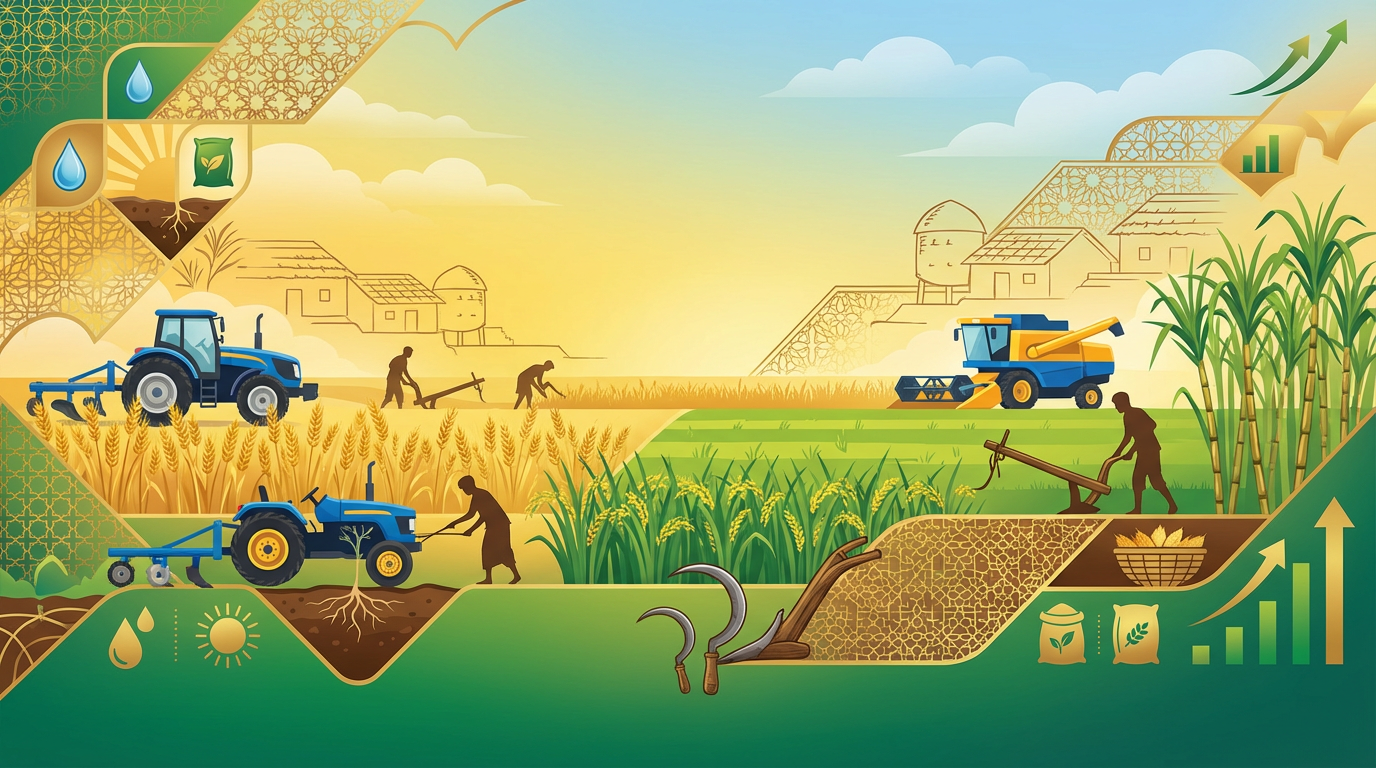
Despite its technology ambitions, agriculture continues to underpin Tay Ninh's development strategy. Provincial leaders emphasised that innovation will primarily be directed towards high-tech agriculture, agricultural processing and the green economy, with the objective of increasing farm productivity, enhancing value addition, improving export competitiveness and promoting sustainable rural development.
The approach reflects Vietnam's broader strategy of integrating advanced technologies into agriculture while building resilient regional value chains.
Regional collaboration seen as critical
A recurring theme throughout the forum was the need for stronger regional integration rather than isolated provincial initiatives.
Experts observed that innovation ecosystems across southern Vietnam remain unevenly developed. Ho Chi Minh City continues to dominate as the country's startup capital, supported by mature venture capital networks, incubators and research institutions. Dong Nai has established strengths in manufacturing and logistics, while the Mekong Delta is increasingly emerging as a centre for agri-tech, digital agriculture and green innovation. Positioned strategically between the Southeast economic corridor and the Mekong Delta, Tay Ninh is viewed as well placed to bridge these complementary ecosystems and facilitate greater cross-regional collaboration.
Industry experts recommended that the province strengthen partnerships among government agencies, universities, research institutions and private enterprises while expanding mentor networks, improving investor connectivity and establishing local venture capital mechanisms to improve access to startup financing.
Three pillars for sustainable innovation
Closing the forum, Ho Sy Hung, President of the Vietnam Chamber of Commerce and Industry (VCCI), argued that successful innovation ecosystems depend on more than infrastructure and government support. According to Hung, sustainable startup ecosystems require three interconnected pillars: entrepreneurs capable of creating innovative businesses, experienced mentors who can guide early-stage ventures, and investors willing to finance scalable ideas.
Strengthening these three components, he noted, would enable provinces such as Tay Ninh to attract greater investment, commercialise innovation more effectively and build globally competitive enterprises. As Vietnam intensifies its push towards a knowledge-driven economy, Tay Ninh's strategy illustrates how second-tier provinces are increasingly using AI, drone technologies and agricultural innovation not only to modernise traditional industries but also to compete for investment, talent and entrepreneurial activity in Southeast Asia's rapidly evolving innovation landscape.