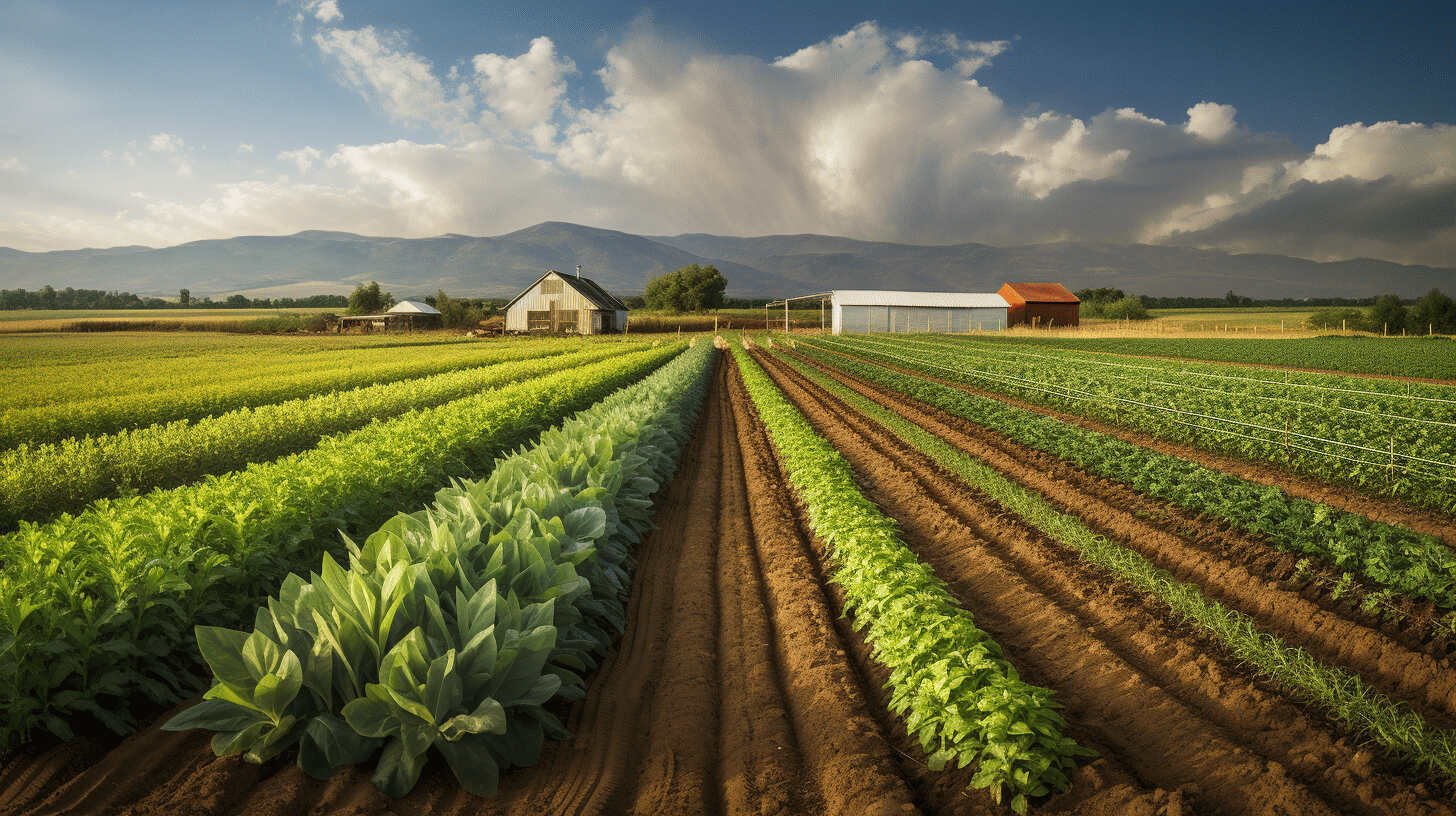
Three of the world's largest food and agriculture companies—General Mills, ADM and Walmart—are deepening their commitment to regenerative agriculture with a new initiative covering 40,000 acres of wheat farmland across the U.S. Midwest, reinforcing a growing trend of supply chain-wide collaboration to advance sustainable farming.
The initiative will focus on wheat-growing regions in Illinois, Indiana and Missouri, where General Mills sources grain through ADM for products sold at Walmart and Sam's Club. Rather than operating as separate sustainability programs, the companies are aligning their investments across a shared supply chain to accelerate adoption of regenerative farming practices while improving long-term agricultural resilience.
The collaboration reflects a broader shift in corporate sustainability strategies, with food manufacturers, grain processors and retailers increasingly working together to deliver measurable environmental outcomes while supporting farm profitability.
A supply chain approach to regenerative agriculture
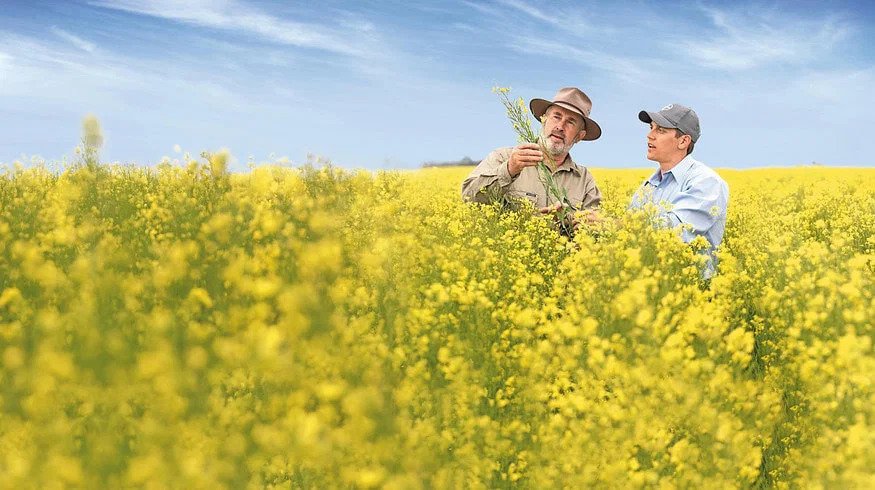
The programme is designed to encourage growers to adopt practices such as no-till farming, cover cropping and improved soil management, all of which are recognised for enhancing soil health, improving water retention, reducing erosion and increasing carbon sequestration.
ADM will coordinate implementation on the ground, providing participating farmers with technical guidance and financial incentives to reduce the economic risks associated with transitioning to regenerative practices.
Additional technical expertise will be provided by conservation organisations American Farmland Trust and Ducks Unlimited, helping farmers implement science-based land management practices and monitor environmental outcomes.
By addressing both financial and technical barriers, the partners aim to increase farmer participation while delivering measurable improvements in soil quality, water conservation and climate resilience.
Building on broader sustainability commitments
The latest programme expands an existing collaboration between General Mills and Walmart, which committed in 2023 to advance regenerative agriculture across 600,000 shared acres by 2030.
According to the companies, regenerative initiatives are already underway across more than 560,000 acres of wheat production in the United States, placing the partnership close to achieving its original target.
ADM's inclusion significantly broadens the programme's operational reach. The global agricultural processor currently manages nearly five million regenerative agriculture acres worldwide, making it one of the sector's largest commercial facilitators of climate-smart farming.
The new Midwest initiative leverages ADM's relationships with growers while connecting sustainability investments directly to food manufacturing and retail supply chains.
Shared value across the food system
The companies describe the initiative as an example of "shared value," where environmental improvements and commercial objectives are pursued simultaneously.
For General Mills, the programme supports efforts to build more resilient supply chains for brands including Pillsbury, Betty Crocker and Totino's, while helping the company progress toward its target of advancing regenerative agriculture across one million acres by 2030.
For Walmart, the collaboration contributes to its broader commitment—supported by the Walmart Foundation—to protect, sustainably manage or restore 50 million acres of land by 2030, while strengthening long-term sourcing security for its retail operations.
For ADM, the programme aligns with its strategy of expanding regenerative agriculture across millions of acres while improving farmer resilience through market-driven sustainability programmes.
A model for future agricultural partnerships
The collaboration reflects a growing recognition that achieving large-scale sustainability goals requires coordination across the agricultural value chain rather than isolated corporate initiatives.
Instead of placing the responsibility solely on farmers, the programme distributes investment across retailers, food manufacturers, grain handlers and technical organisations, creating incentives that encourage long-term adoption of regenerative practices.
As climate risks, soil degradation and supply chain disruptions continue to challenge global food production, partnerships of this nature are increasingly emerging as scalable models for balancing environmental stewardship with agricultural productivity.
By linking sustainability commitments directly to commercial sourcing relationships, General Mills, ADM and Walmart are positioning regenerative agriculture not only as an environmental initiative, but also as a long-term business strategy for strengthening food system resilience.