PepsiCo Foods Vietnam is accelerating its sustainability agenda with investments that extend well beyond its manufacturing facilities, strengthening a low-emission value chain that spans agriculture, production, packaging and recycling. The company's efforts have now earned national recognition after receiving the "Outstanding Enterprise in Green Energy and Environment – NetZero Vietnam 2026" award at the World Energy and Environment Forum – Vietnam 2026, reflecting its growing role in supporting Vietnam's ambition to achieve net-zero emissions by 2050.
The recognition highlights PepsiCo Foods Vietnam's implementation of PepsiCo Positive (pep+), the company's global sustainability strategy, which integrates environmental, social and governance (ESG) principles throughout its business—from sourcing agricultural raw materials and manufacturing products to developing sustainable packaging and supporting community initiatives.
After more than three decades in Vietnam, PepsiCo, together with its partner Suntory, has invested more than $1 billion in the country's food and beverage sector. Today, the company operates manufacturing plants in Binh Duong and Ninh Binh, supported by distribution centres and regional offices that collectively generate employment for more than 13,000 direct and indirect workers.
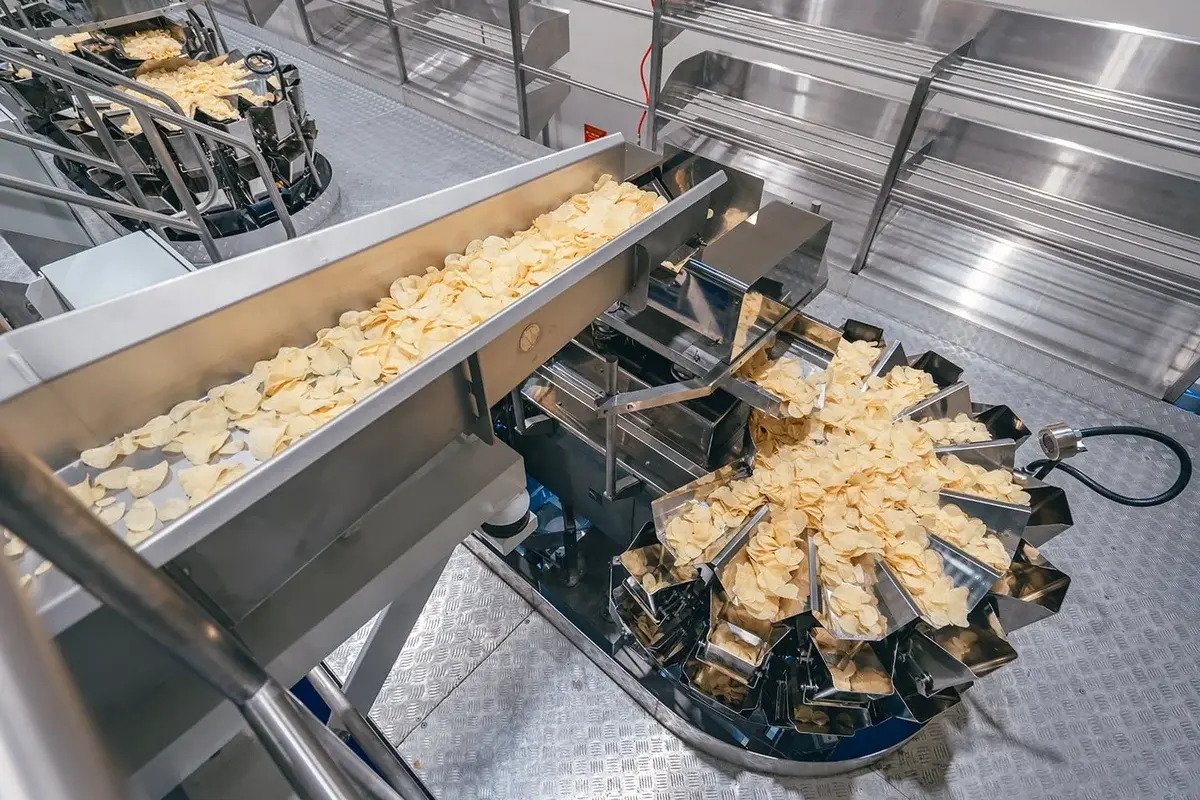
The company's sustainability strategy is anchored in transforming manufacturing into a more resource-efficient operation. At its Binh Duong food plant, PepsiCo has introduced a series of technology-driven upgrades designed to improve energy efficiency while lowering greenhouse gas emissions. These include an Intelligent Compressed Air Management (IFC) system, upgraded cooling infrastructure, waste heat recovery technologies, conversion from liquefied petroleum gas (LPG) to compressed natural gas (CNG), and advanced Nano/RO systems that recycle treated water back into production.
The operational improvements are already delivering measurable results. The IFC system is expected to reduce electricity consumption by approximately 8 percent, while the transition to CNG is projected to cut around 500 tonnes of carbon dioxide emissions annually and generate annual savings of nearly VND 2.6 billion. Water recycling systems now conserve tens of cubic metres of water every day, while an upgraded potato recovery line enables the company to recover up to 70 percent of materials that would previously have been discarded. Through improved waste segregation and recycling, less than 1 percent of operational waste is now sent to landfill.
PepsiCo's sustainability investments have also expanded in northern Vietnam with the launch of its US$90 million Ninh Binh food plant, which became operational in late 2025. Built on an 80,000-square-metre site with an annual production capacity exceeding 25,000 tonnes of snack products, the facility combines automation, digital manufacturing, nearly 1 MWp of rooftop solar generation and a biomass boiler capable of producing 12 tonnes of steam per hour. Completed in just 51 weeks, the project established a construction record for PepsiCo across the Asia-Pacific region.
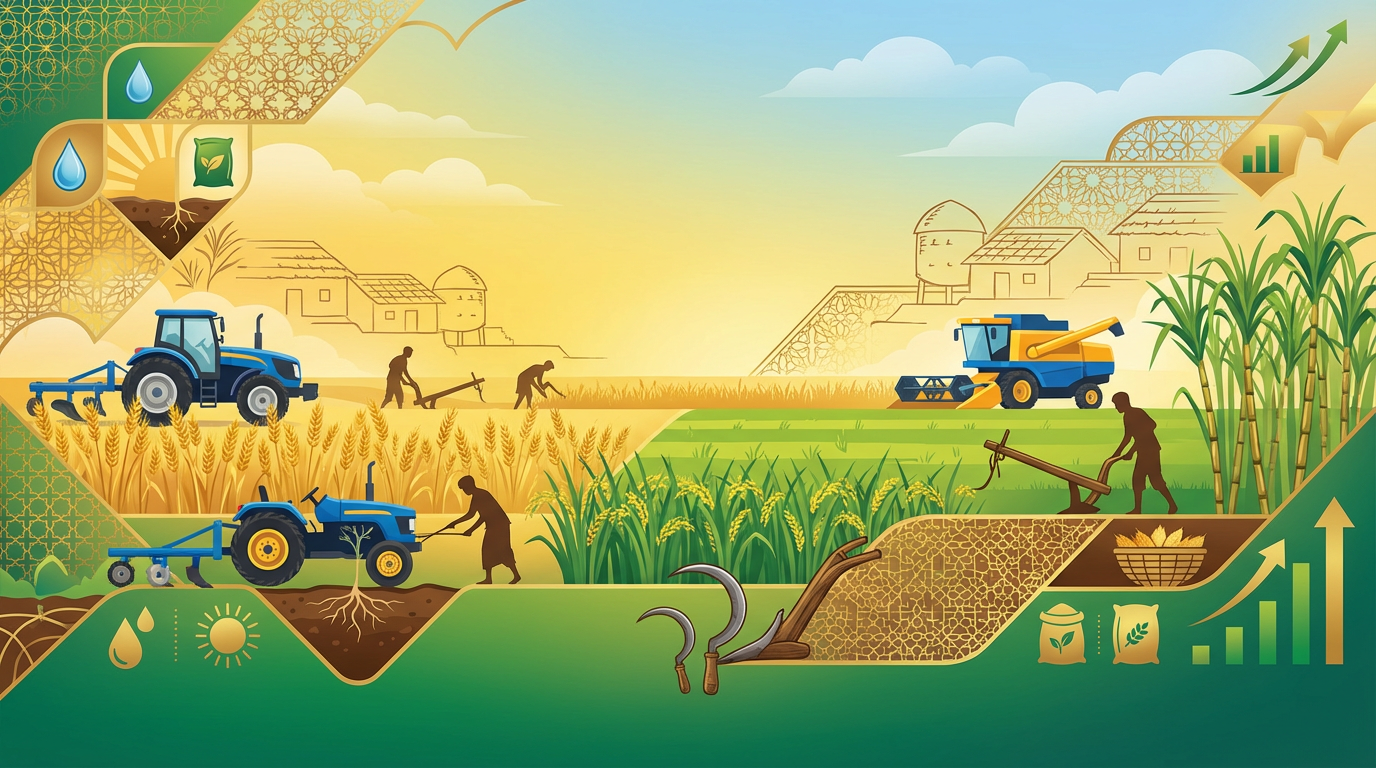
The company's environmental strategy extends well beyond factory gates. Every year, PepsiCo Foods Vietnam works with more than 2,500 farming households across the Central Highlands and northern Vietnam, introducing precision irrigation systems, weather-monitoring stations and electronic farm diaries that improve resource efficiency while helping growers adapt to climate change. These initiatives are complemented by public-private partnerships with Vietnam's Ministry of Agriculture and Environment to promote lower-emission farming practices across agricultural supply chains.
Among its flagship agricultural programmes is "She Feeds the World," implemented in partnership with CARE Vietnam. Backed by US$1.1 million between 2022 and 2025, the programme reached more than 100,000 smallholder farming households, around 60 percent of whom were women and members of ethnic minority communities. Participating farmers reported a 22 percent increase in productivity, a 50 percent reduction in chemical fertilizer use, and an average 20 percent increase in household income, demonstrating the economic potential of climate-smart agriculture.
Packaging and circular economy initiatives form another pillar of PepsiCo's sustainability roadmap. Packaging optimisation programmes have reduced the use of approximately 47 tonnes of corrugated cardboard annually, avoiding an estimated 470 tonnes of carbon dioxide equivalent emissions each year. The company also participates in the Packaging Recycling Alliance Vietnam (PRO Vietnam) under the country's Extended Producer Responsibility framework, supporting post-consumer packaging collection, recycling and circular economy initiatives.
Beyond its own operations, PepsiCo Foods Vietnam continues to invest in community-based recycling programmes. Through its partnership with the GRAC platform, six Green Points established at universities and residential communities have attracted more than 17,000 participants and collected approximately 42.2 tonnes of recyclable materials. The company is also supporting programmes that improve working conditions and waste traceability for informal waste collectors in Ho Chi Minh City, reinforcing its commitment to a more inclusive circular economy.
Speaking after receiving the award, Ngo Quang Nhat, Senior Supply Chain Director of PepsiCo Foods Vietnam, said the recognition reflects the company's long-term commitment to integrating sustainability into every stage of its operations. He noted that PepsiCo will continue investing in solutions that reduce greenhouse gas emissions, improve resource efficiency and strengthen sustainable growth across Vietnam's food system.
As sustainability increasingly shapes investment decisions, consumer preferences and regulatory frameworks across global food systems, PepsiCo Foods Vietnam's integrated approach demonstrates how multinational food companies are embedding climate action into core business operations. By linking regenerative agriculture, energy-efficient manufacturing, circular packaging and community partnerships, the company is positioning itself as a key contributor to Vietnam's transition toward a low-carbon economy.