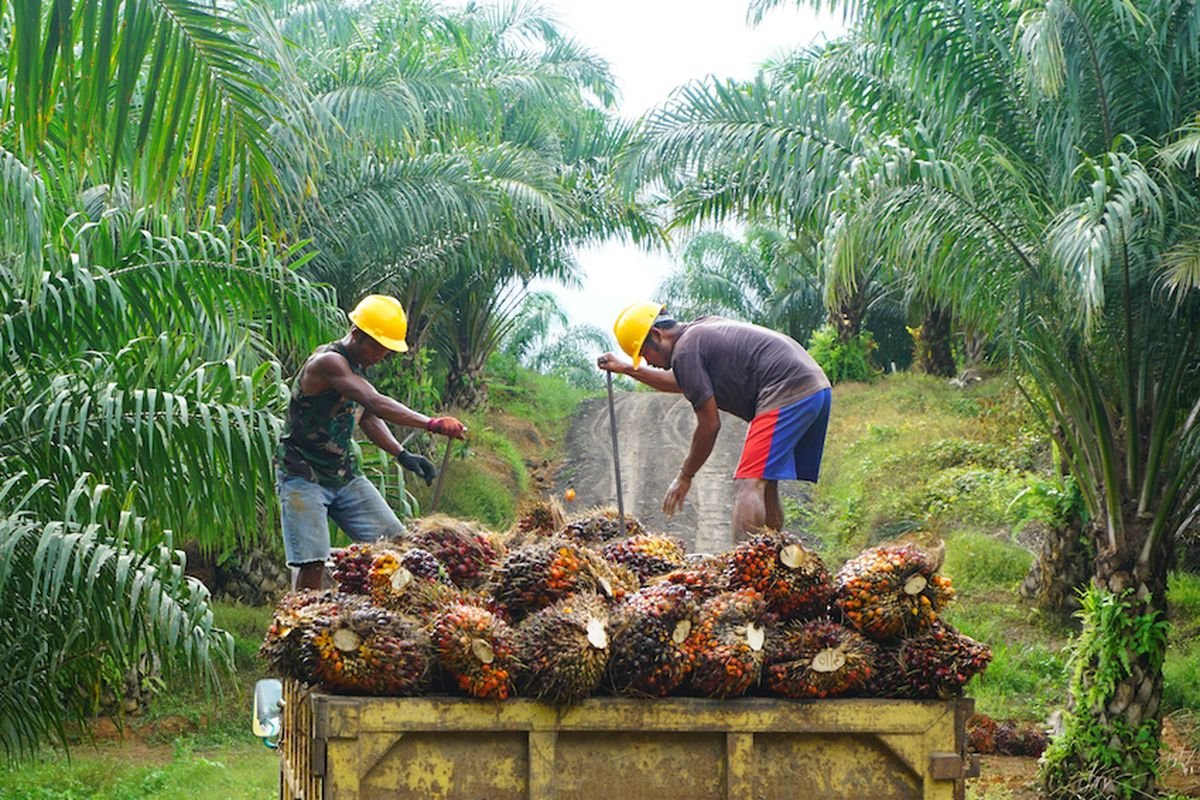
Indonesia has entered a new phase of its energy transition with the nationwide implementation of a 50 percent biodiesel blending mandate alongside the phased introduction of bioethanol-blended gasoline, signalling one of the world's most ambitious biofuel programmes aimed at reducing fuel imports, strengthening energy security and accelerating downstream industrialisation.
The twin initiatives reflect Jakarta's broader strategy of leveraging domestic agricultural resources to reduce dependence on imported fossil fuels while creating greater value within the national economy. By expanding renewable fuel production based on locally available feedstocks, the government is seeking to integrate agriculture, manufacturing and energy into a more resilient domestic value chain.
The nationwide biodiesel mandate substantially increases the contribution of palm oil-derived fuel in the country's diesel consumption, making Indonesia the first nation to implement a nationwide 50 percent biodiesel blend. Policymakers view the programme as a strategic response to growing geopolitical uncertainty, volatile global oil markets and supply chain disruptions that have exposed the vulnerabilities of import-dependent energy systems.
Officials argue that strengthening domestic biofuel production has become increasingly important as geopolitical tensions threaten critical global shipping routes and energy supplies. Expanding renewable fuels produced within the country is expected to enhance long-term energy resilience while reducing exposure to external market shocks.
Beyond improving energy security, the programme is projected to deliver significant macroeconomic benefits. Higher biodiesel utilisation is expected to sharply reduce diesel imports, improve the country's trade balance, generate substantial foreign exchange savings and stimulate investment across the palm oil value chain. Increased domestic demand for feedstocks is also expected to support processing industries, logistics networks and rural employment while creating additional value for agricultural producers.
The government also expects the expanded biodiesel programme to contribute meaningfully to national climate goals by lowering greenhouse gas emissions alongside supporting millions of jobs linked to agriculture, biofuel production and downstream industries.
Successful implementation, however, depends on maintaining product quality, ensuring sufficient feedstock availability and strengthening nationwide fuel distribution systems. Extensive multi-sector testing covering transportation, mining, agriculture, shipping, railways and power generation was undertaken before the nationwide rollout to verify compatibility across a broad range of equipment and vehicle platforms.
Complementing the biodiesel programme, Indonesia has begun introducing gasoline blended with bioethanol in selected provinces as the first step towards reducing gasoline imports. Unlike biodiesel, however, the country's ethanol industry remains in an early stage of development, with production capacity still limited relative to future demand.
The bioethanol strategy opens new opportunities for agricultural diversification by creating additional demand for crops such as sugarcane, cassava and maize. Policymakers believe expanding domestic ethanol production could stimulate fresh investments in crop production, processing infrastructure and rural industries while broadening the country's renewable energy feedstock base beyond palm oil.
Officials have outlined plans to progressively increase ethanol blending levels over the coming years as domestic production capacity expands and supply chains mature. The gradual rollout reflects a strategy of aligning renewable fuel targets with industrial readiness to avoid supply disruptions and maintain consumer confidence.
Indonesia's approach differs from other major biofuel-producing economies by capitalising on its position as the world's largest palm oil producer while simultaneously laying the foundation for a diversified bioeconomy. As global energy security increasingly intersects with food systems, climate policy and industrial competitiveness, the country's biofuel expansion illustrates how agricultural resources are becoming central to national energy strategies.
While long-term success will depend on sustained investment, feedstock security and continued industrial development, the combined biodiesel and bioethanol programmes represent a structural shift in Indonesia's energy policy—from managing import dependence to building a self-reliant renewable fuel ecosystem anchored in domestic agriculture.