Growing corporate demand for high-integrity carbon removal projects is emerging as a powerful catalyst for landscape restoration across Southeast Asia, with a major agroforestry initiative in Indonesia securing long-term carbon purchase commitments to rehabilitate thousands of hectares of degraded land.
The project, located in Indonesia's biodiversity-rich Sulawesi region, has attracted multi-year forward commitments from global corporate buyers seeking nature-based carbon removal solutions. The agreements provide long-term revenue certainty, enabling project developers to mobilise financing for large-scale ecosystem restoration while creating sustainable income opportunities for farming communities.
The initiative highlights the rapid evolution of voluntary carbon markets from offset-focused transactions towards integrated landscape restoration models that simultaneously deliver climate mitigation, biodiversity conservation and rural economic development.
Rather than relying solely on carbon revenues, the restoration model combines diversified agroforestry systems with commercially valuable crops and timber species, creating multiple income streams for participating farmers. Fast-growing annual crops generate early cash flows, while fruit trees and timber plantations provide medium- and long-term earnings, reducing financial risks associated with conventional monoculture farming.
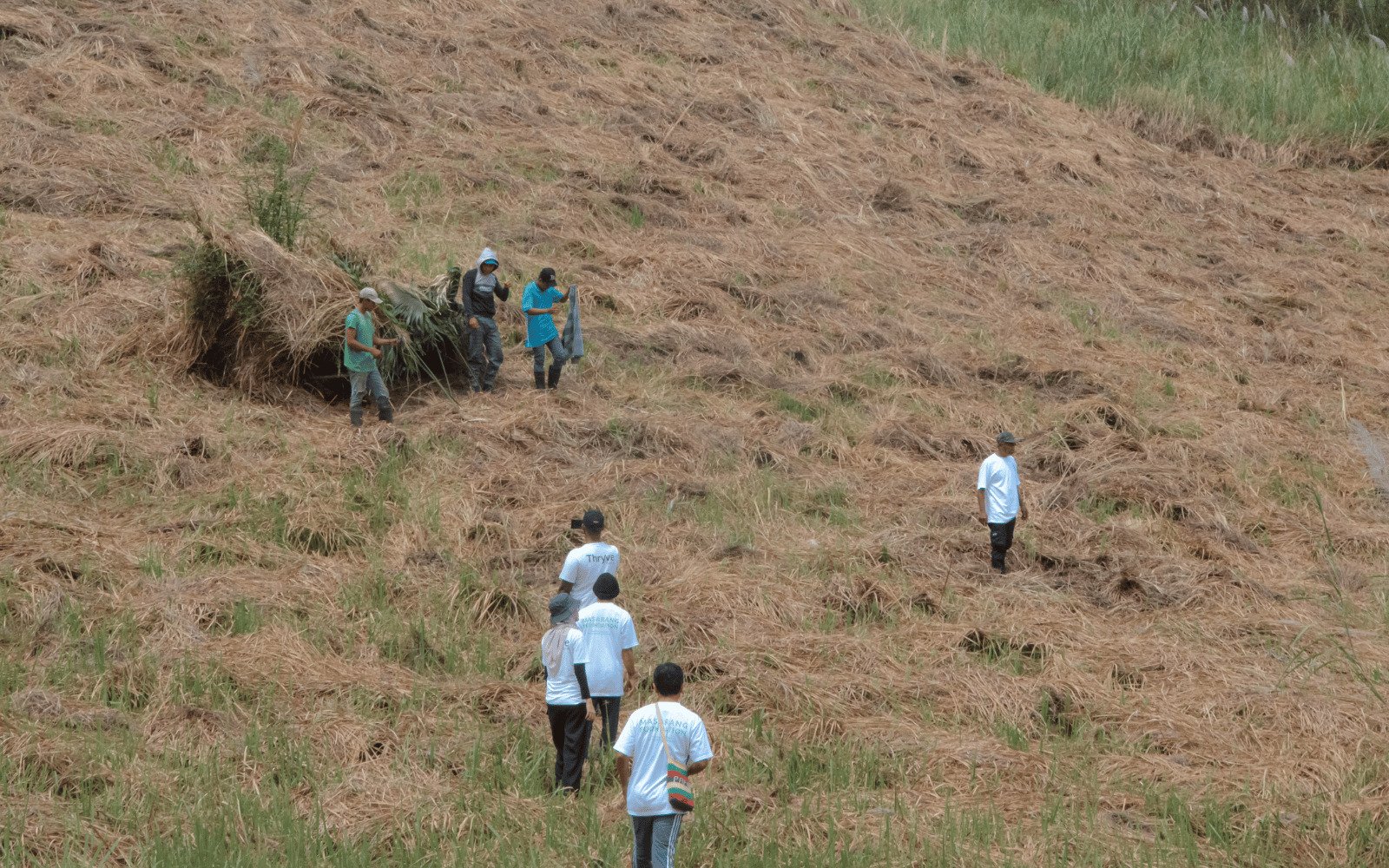
Project developers say the blended approach is designed to improve land productivity, restore degraded soils, reduce wildfire risks and enhance biodiversity while strengthening the economic resilience of rural communities. Carbon finance plays a critical role by covering the substantial upfront investment required to rehabilitate degraded landscapes and establish new agroforestry systems before agricultural returns begin to materialise.
The restoration strategy builds upon field-tested agroforestry models that have demonstrated improvements in soil health, vegetation cover and climate resilience across Indonesia. In addition to increasing carbon sequestration, the initiative is expected to generate employment through nursery operations, planting activities, land preparation and long-term plantation management.
Beyond its environmental impact, the project reflects a broader shift in corporate climate strategies. Companies are increasingly favouring high-quality carbon removal projects capable of delivering measurable social and ecological outcomes alongside verified emissions reductions, as scrutiny of voluntary carbon markets intensifies globally.
Indonesia's vast areas of degraded land present significant opportunities for scaling agroforestry-based restoration. Industry experts believe similar landscape models could be replicated across hundreds of thousands of hectares throughout Indonesia and neighbouring Southeast Asian countries, where abundant biomass potential and rural livelihoods create favourable conditions for integrated restoration programmes.
The project also illustrates the growing convergence of climate finance, regenerative agriculture and biodiversity conservation. By linking long-term corporate carbon demand with community-based land restoration, developers aim to build financially sustainable projects that support both national climate objectives and rural economic development.
As global companies increasingly seek credible nature-based climate investments, Southeast Asia is emerging as one of the world's most strategically important regions for high-integrity carbon removal projects that combine environmental restoration with inclusive agricultural growth.