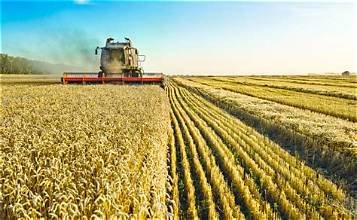
Brazilian farmers are heading into the 2026/27 planting season facing higher phosphate fertiliser costs as constrained supply, expensive raw materials and logistics disruptions tighten the market. Fertiliser deliveries to Brazil’s domestic market fell 5.4 per cent year on year during the first half of 2026 to 19.02 million tonnes, compared with 20.11 million tonnes a year earlier. Phosphates are emerging as the most significant pressure point because farmers have limited immediate alternatives when supply is disrupted.
The squeeze is being compounded by the cost of sulfur, a critical input in phosphoric acid production and in the manufacture of phosphate fertilisers such as monoammonium phosphate (MAP), single superphosphate (SSP) and triple superphosphate (TSP).
Sulfur becomes the bottleneck
Global sulfur prices crossed $1,000 per tonne earlier this month as disruptions around the Strait of Hormuz and reductions in Russian exports removed a significant portion of internationally traded supply.
The higher sulfur costs are feeding into phosphate production economics in Brazil. Some production capacity in Minas Gerais and Goiás has already been idled as manufacturers contend with deteriorating input economics.
Import options narrow
Brazilian importers are also facing a more constrained international supply landscape. China's restrictions on exports of certain phosphate fertilisers have reduced the availability of one of the world's major supply sources, encouraging Brazilian buyers to diversify procurement.
Alternative suppliers are gaining attention, including purified MAP from Morocco. Importers are also placing greater value on material that has already cleared customs, reducing exposure to additional shipping and logistical delays.
The pressure is particularly relevant for major agricultural regions such as Mato Grosso, where higher phosphate prices are adding to the cost base for soybean and corn production.
Global phosphate prices remain elevated
The Brazilian market is reflecting broader strength in international phosphate benchmarks. Diammonium phosphate (DAP) is currently holding around $915–935 per tonne, underscoring the elevated cost environment confronting buyers.
The immediate market question is whether early procurement by Brazilian farmers and distributors will pull demand forward, potentially leaving the phosphate market even tighter during the fourth quarter.