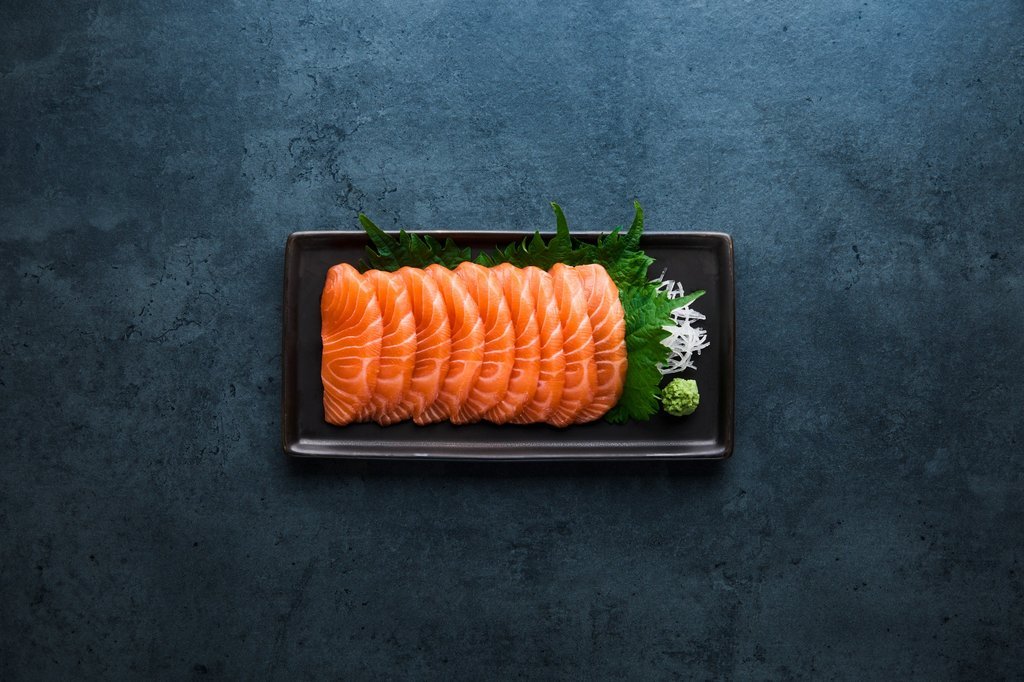
China’s salmon market is being reshaped by a shift that is taking premium seafood beyond restaurants and into consumers’ homes, creating new growth opportunities for sashimi-grade salmon as online retail, rapid delivery and specialised preparation facilities expand across the country.
The Norwegian Seafood Council highlighted the trend ahead of World Seafood Shanghai, held from August 26 to 28, drawing on findings from its Seafood Trends 2026: The China Report, which tracks changes in seafood consumption, purchasing and discovery behaviour across the Chinese market.
China’s imported salmon category grew 50 per cent in 2025, with sashimi emerging as a major consumption driver. Around 25 per cent of seafood consumers in Tier 1 Chinese cities say they eat salmon sashimi at least once a week, compared with a global average of 13 per cent, according to Norwegian Seafood Council data.
The shift accelerated after the Covid-19 pandemic, as home consumption became a more established part of China’s food culture. Sashimi is increasingly being purchased through online retail platforms and rapid-delivery services, while fresh-cut stores and certified facilities capable of preparing sashimi-grade salmon are making restaurant-style seafood more accessible at home.
Importantly, the model is no longer confined to China’s largest cities. Delivery networks and specialised seafood outlets are extending the availability of freshly cut salmon into Tier 2 and Tier 3 markets, potentially widening the consumer base for premium seafood. “In China, salmon equals sashimi – full stop. There isn’t even much focus on sushi. That is a small slice of the salmon category; it really is mainly sashimi,” said Sigmund Bjørgo, Country Director for China, Norwegian Seafood Council.
That consumer preference is giving salmon a distinctive position in China’s premium seafood market. The product is increasingly being marketed as an affordable luxury—premium enough to signal quality, but convenient enough to fit an at-home meal. The country’s expanding middle class is supporting demand for higher-value seafood, while freshness remains a critical consideration when consumers make purchasing decisions.
The growth in salmon is also reflected in Norway’s wider seafood trade with China. China was the fastest-growing market by value for Norwegian seafood in 2025, with imports reaching NOK 12.3 billion, an increase of NOK 2.9 billion, or 31 per cent, from the previous year. China rose to become Norway’s third-largest seafood market by value, from sixth place in 2024. The momentum has carried into 2026. Chinese salmon imports increased 43 per cent during the first half of the year, following the 50 per cent growth recorded in 2025.
The emerging opportunity extends beyond simply selling more salmon. China’s evolving seafood distribution model is changing how premium products reach consumers, with digital commerce, fast fulfilment and specialised preparation helping bridge the gap between imported seafood and everyday consumption.
The combination of rising salmon consumption, strong demand for sashimi and an expanding home-delivery ecosystem offers a broader route into the Chinese market. As consumers increasingly weigh freshness, quality and convenience, premium salmon could become an increasingly mainstream component of China’s rapidly evolving seafood consumption landscape.