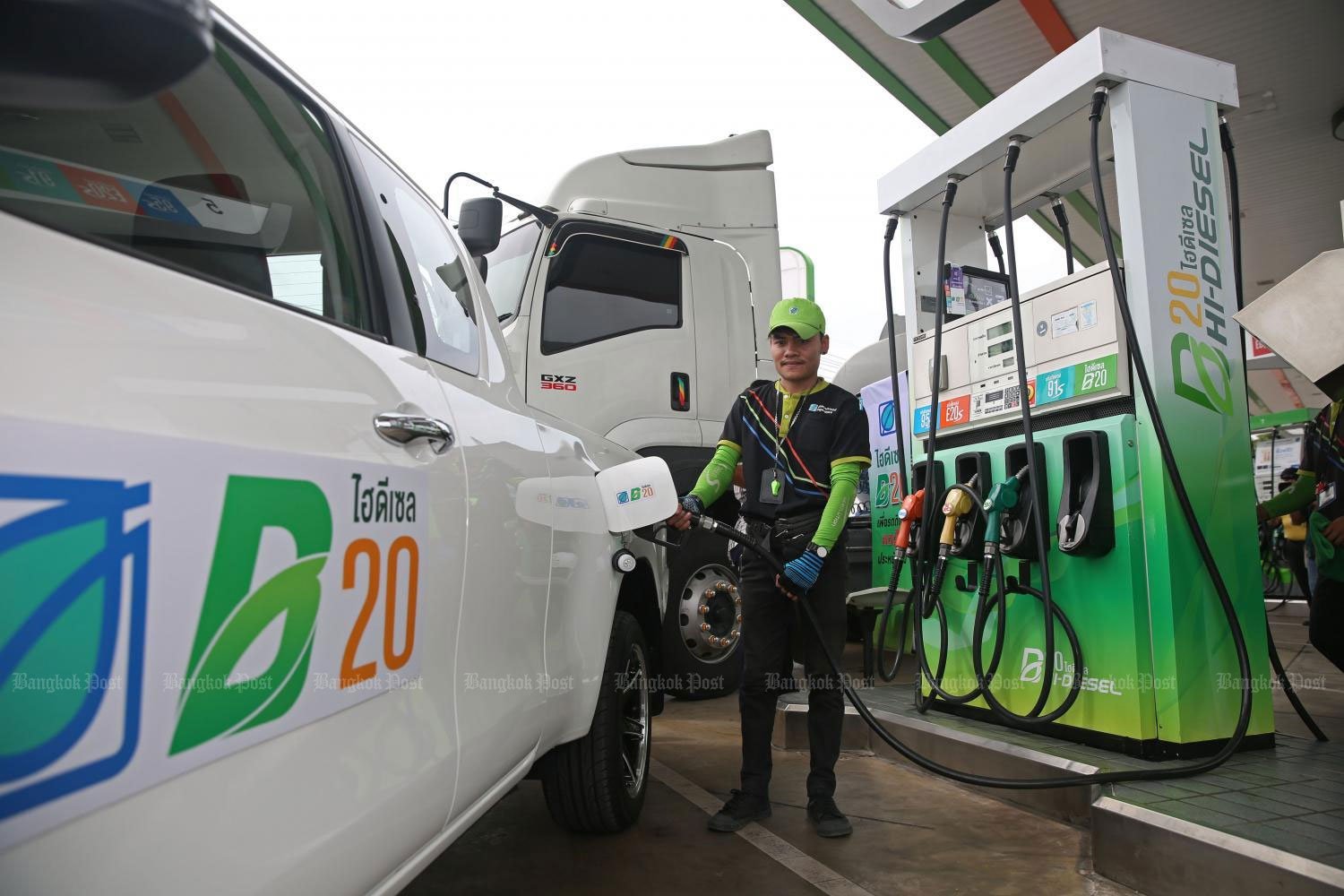
Thailand is considering targeted excise tax reductions on ethanol- and biodiesel-blended fuels as the government explores ways to contain energy costs without placing additional pressure on public finances. The proposal could also provide indirect support to agricultural producers supplying feedstocks for the country’s biofuel industry.
The potential cuts would focus on E20, a petrol blend containing 20 per cent ethanol, and B20, a diesel blend containing 20 per cent biodiesel. However, the government has yet to commit to the measure, with just over THB10 billion in fiscal headroom reportedly remaining for the current financial year.
Finance Minister Ekniti Nitithanprapas has said the government is evaluating several mechanisms to manage fuel prices, with the choice depending on the prevailing situation and the implications for state finances.
Three options to manage fuel prices
The government is weighing three principal approaches: using the Oil Fuel Fund to cushion price fluctuations, seeking contributions from refineries benefiting from elevated refining margins, and reducing excise taxes on oil products.
An excise reduction could provide direct relief by lowering the tax component of retail fuel prices. However, it would also immediately reduce government revenue, while existing expenditure commitments would remain unchanged.
The resulting shortfall could eventually require additional borrowing, making the fiscal consequences an important consideration alongside the immediate benefits to consumers and businesses.
A proposal has also been put forward to use the unutilised portion of the government's borrowing allocation for measures addressing the economic fallout from the Middle East crisis and managing oil prices through lower excise taxes.
The government has not yet adopted a broad-based tax reduction, reflecting concerns that an intervention intended to ease energy pressures could create additional budgetary challenges.
E20 and B20 offer a targeted route to agricultural support
If tax intervention becomes necessary, the government may favour a more selective approach rather than reducing excise duties across the wider fuel market.
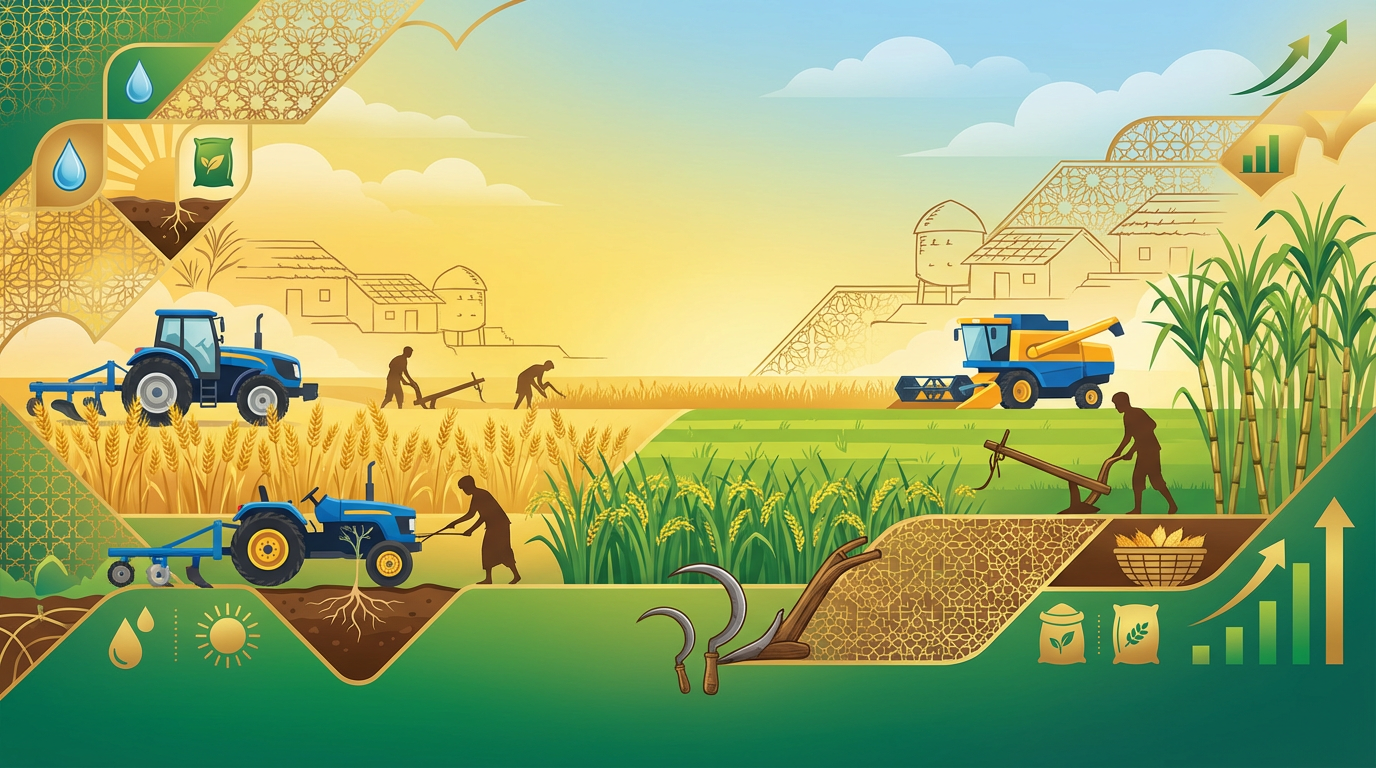
E20 and B20 are among the fuels being considered because their feedstocks link energy policy directly with domestic agriculture. Ethanol production relies on crops such as sugarcane and cassava, while biodiesel production is linked to palm oil.
Reducing taxes on these blends could therefore serve two objectives: easing fuel costs and supporting demand across agricultural supply chains that provide raw materials for biofuel production.
For farmers and processors, stronger demand for these feedstocks could offer an additional source of market support. The scale of any benefit, however, would depend on the final tax design, the extent to which the reduction is passed through to retail prices and its effect on demand for blended fuels.
The proposal would also give policymakers a way to connect energy-price intervention with the government's wider agricultural and rural-income priorities.
Limited fiscal headroom constrains policy choices
The immediate challenge is the government's narrow fiscal room for manoeuvre. With slightly more than THB10 billion reportedly available for the remainder of the current financial year, officials must weigh the potential relief against the cost of sacrificing tax revenue.
Ekniti has emphasised that measures to ease household living costs must be balanced with responsible fiscal management. He has warned that revenue-reducing measures introduced without a comprehensive assessment could allow difficulties in the energy market to develop into a wider fiscal problem.
The government will reassess its available fiscal capacity for the next financial year before determining the scope for further intervention. Any decision will need to account for the effectiveness of the proposed measure, its cost to the treasury and its broader impact on public finances.