The Philippines is accelerating the digital transformation of its agriculture sector by integrating artificial intelligence (AI) and satellite technology into national farm data systems, a move aimed at improving crop forecasting, food security planning and evidence-based policymaking.
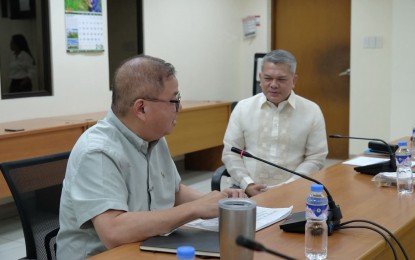
The Department of Agriculture (DA) and the Philippine Statistics Authority (PSA) have expanded their collaboration on agricultural data sharing to build a more accurate and responsive information system capable of supporting production planning, logistics management and government interventions.
Officials said reliable, real-time agricultural data has become increasingly critical as policymakers seek to respond more effectively to production shortfalls, climate-related risks and shifting food demand. Enhanced datasets are expected to help direct public investments to regions where they can deliver the greatest impact while strengthening the country's long-term food security strategy.
A key feature of the initiative is the wider adoption of artificial intelligence and satellite imagery for crop monitoring and production estimation. The PSA has already tested these technologies through pilot projects, demonstrating their potential to generate faster and more precise estimates of agricultural output.
The expanded partnership will combine satellite-based observations with field-level verification conducted through the agriculture department's nationwide network. Officials believe integrating remote sensing with on-ground validation will improve the accuracy and reliability of crop assessments while reducing the time required to generate critical agricultural statistics.
The agencies also emphasized that stronger collaboration is essential because agriculture and fisheries remain central to national economic growth, rural employment and domestic food supply. More dependable statistics are expected to strengthen policy formulation, investment planning and emergency response mechanisms.
Beyond monitoring current production, the government aims to use advanced analytics to anticipate emerging supply challenges before they escalate into food shortages. Officials said predictive data will enable authorities to shift from reactive crisis management to proactive planning, helping safeguard national food availability.
The initiative also aligns with the country's latest national census, the first comprehensive population count in nearly a decade. Updated demographic and consumption data will enable policymakers to refine food demand projections, recalibrate production targets and allocate agricultural funding more efficiently in the coming years.