
The Philippines imported a record 2.75 million metric tonnes of rice during the first half of 2026, underscoring the country's continued dependence on overseas supplies as policymakers seek to stabilise food prices amid production challenges and mounting climate risks.
Government data show imports between January and June increased by just over 20 per cent compared with the same period last year, marking the highest first-half import volume since official monitoring began in 2019. The six-month total has already surpassed half of the government's annual import projection, signalling sustained procurement momentum for the remainder of the year.
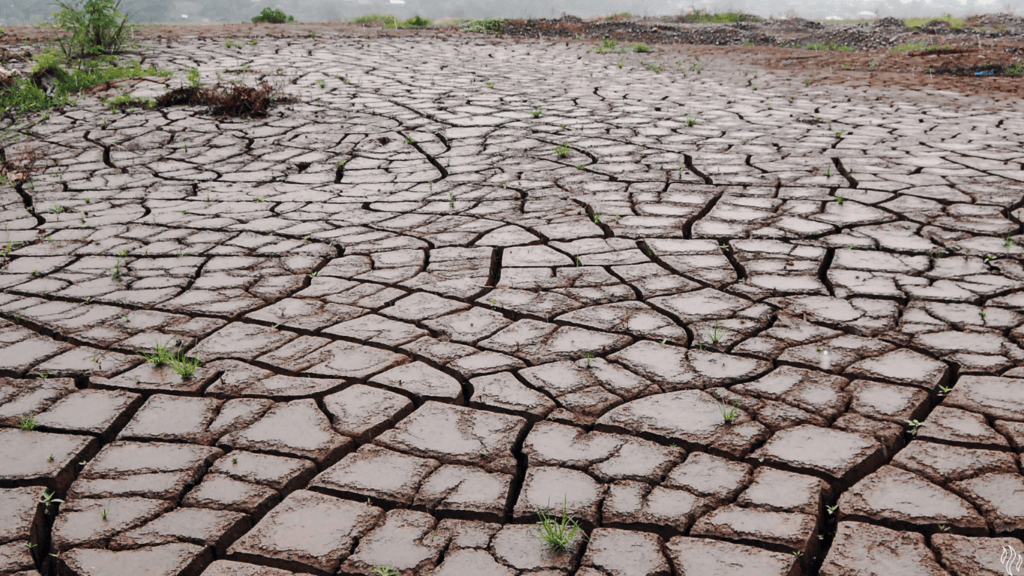
Officials attributed the higher import volumes to efforts to secure adequate domestic inventories while cushioning consumers from inflationary pressures linked to higher fuel and fertiliser costs. Authorities are also building supply buffers ahead of the potential impact of El Niño, which could further disrupt local rice production.
Despite stronger import flows, domestic output continues to face structural and weather-related constraints, reinforcing the need for overseas purchases to bridge the gap between production and consumption. Policymakers maintain that ensuring sufficient rice availability at affordable prices remains central to the country's food security strategy.
The current global market environment has also supported the import drive, with relatively softer international rice prices allowing buyers to secure supplies at more competitive rates. Officials indicated that any future adjustments to import policies, including potential restrictions, will depend on evolving domestic supply conditions and market assessments.
International forecasts suggest the Philippines is likely to retain its position as the world's largest rice importer this year, with import volumes expected to rise further as climate uncertainty and slowing domestic production continue to widen the supply deficit.
The import surge reflects a broader challenge confronting many rice-importing nations across Asia, where governments are balancing food affordability with long-term investments aimed at improving agricultural productivity and strengthening resilience against increasingly volatile weather patterns.